
Last updated September 10, 2026
Level 1 sweep and inspection to the NFPA 211 annual standard - flue, crown, cap, and flashing checked and photographed
Chimney sweep logs do not sweep chimneys. They loosen some creosote - which then falls where a brush and vacuum still have to collect it.
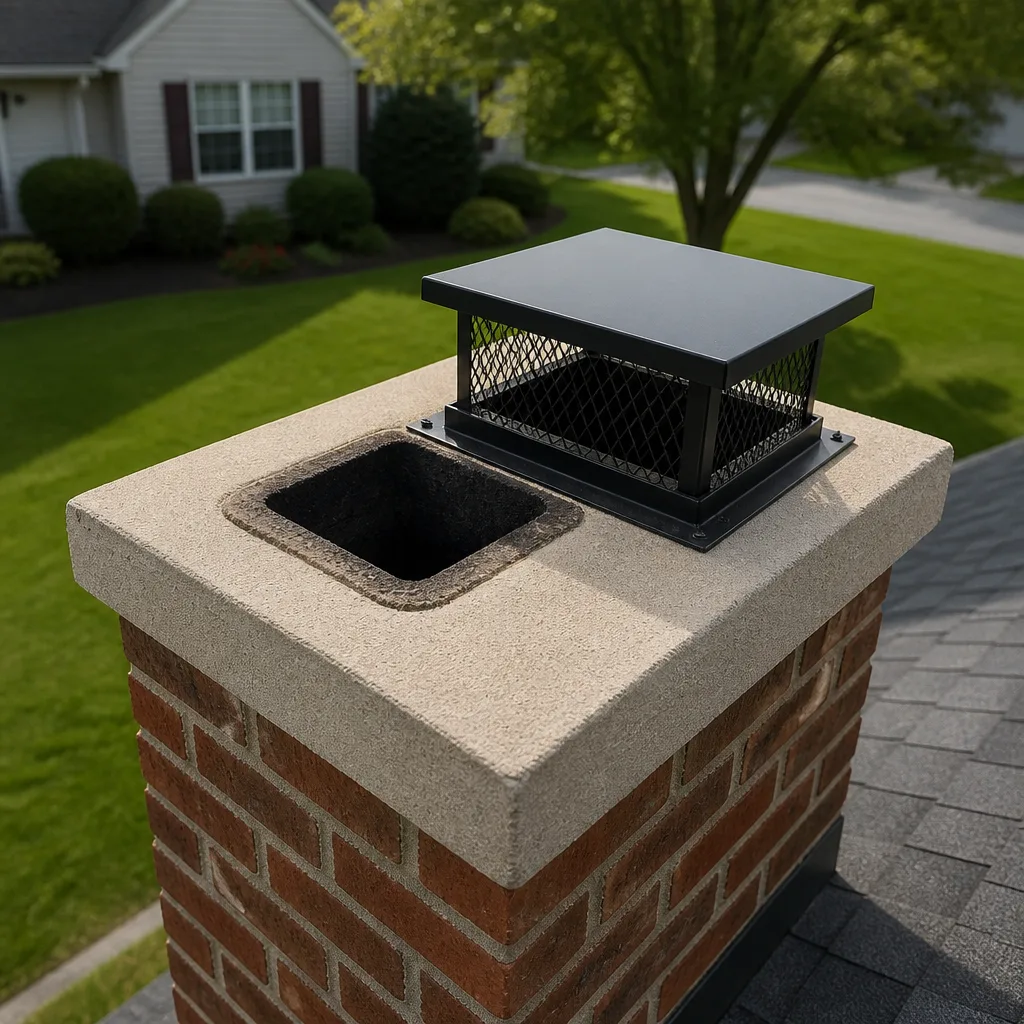
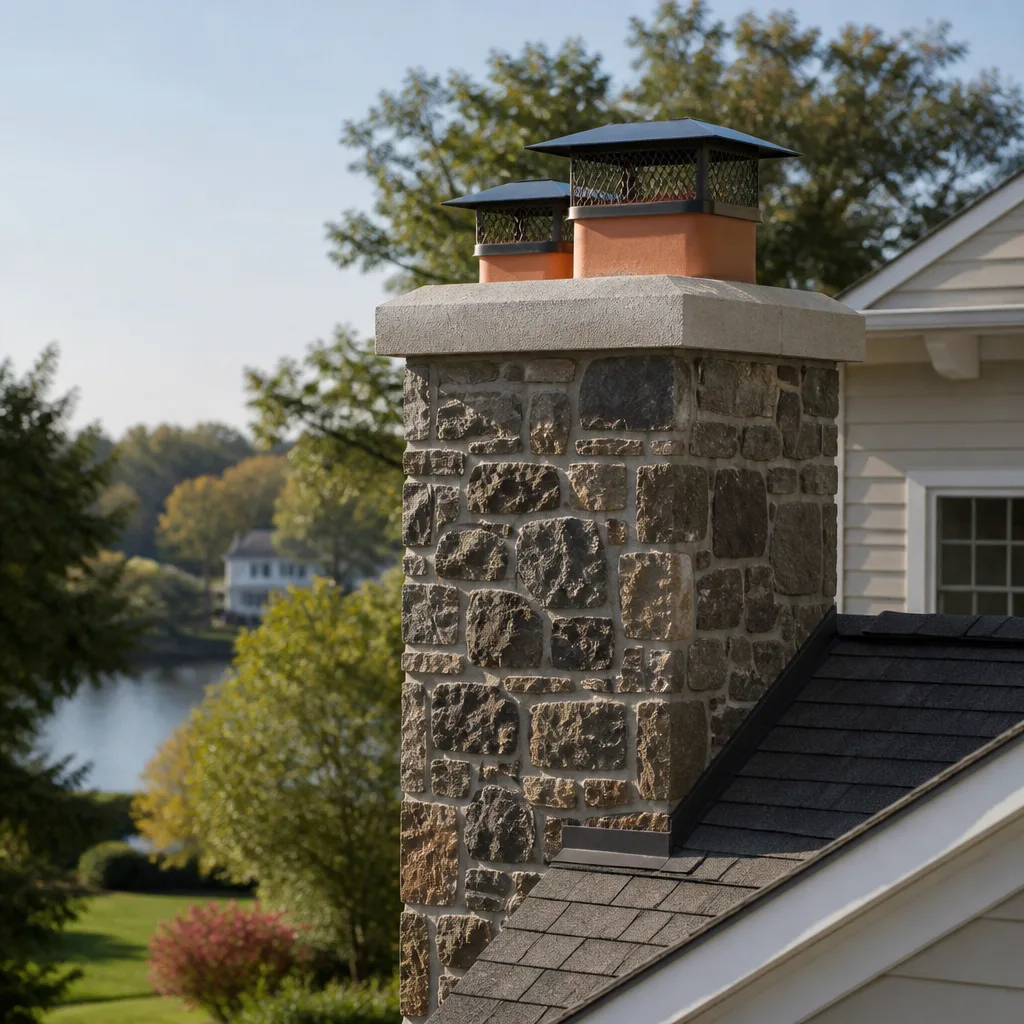
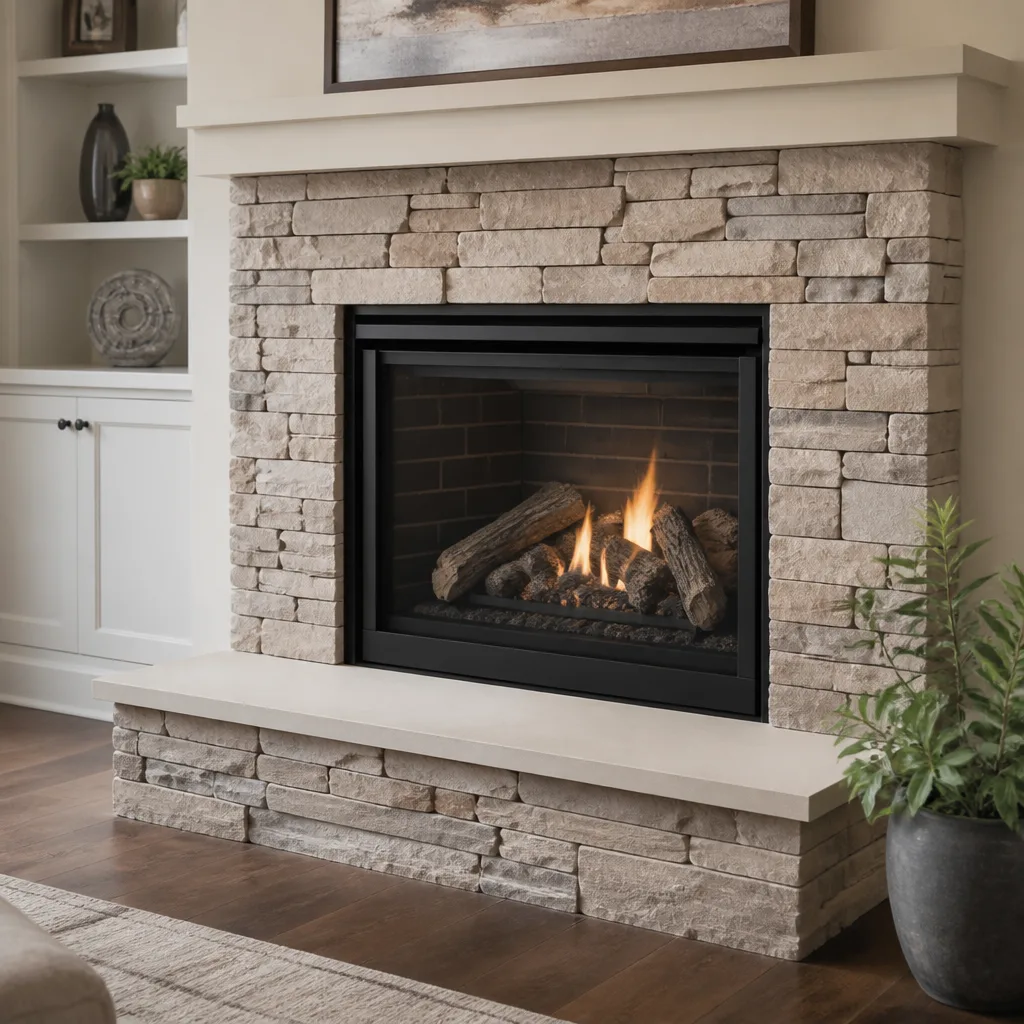
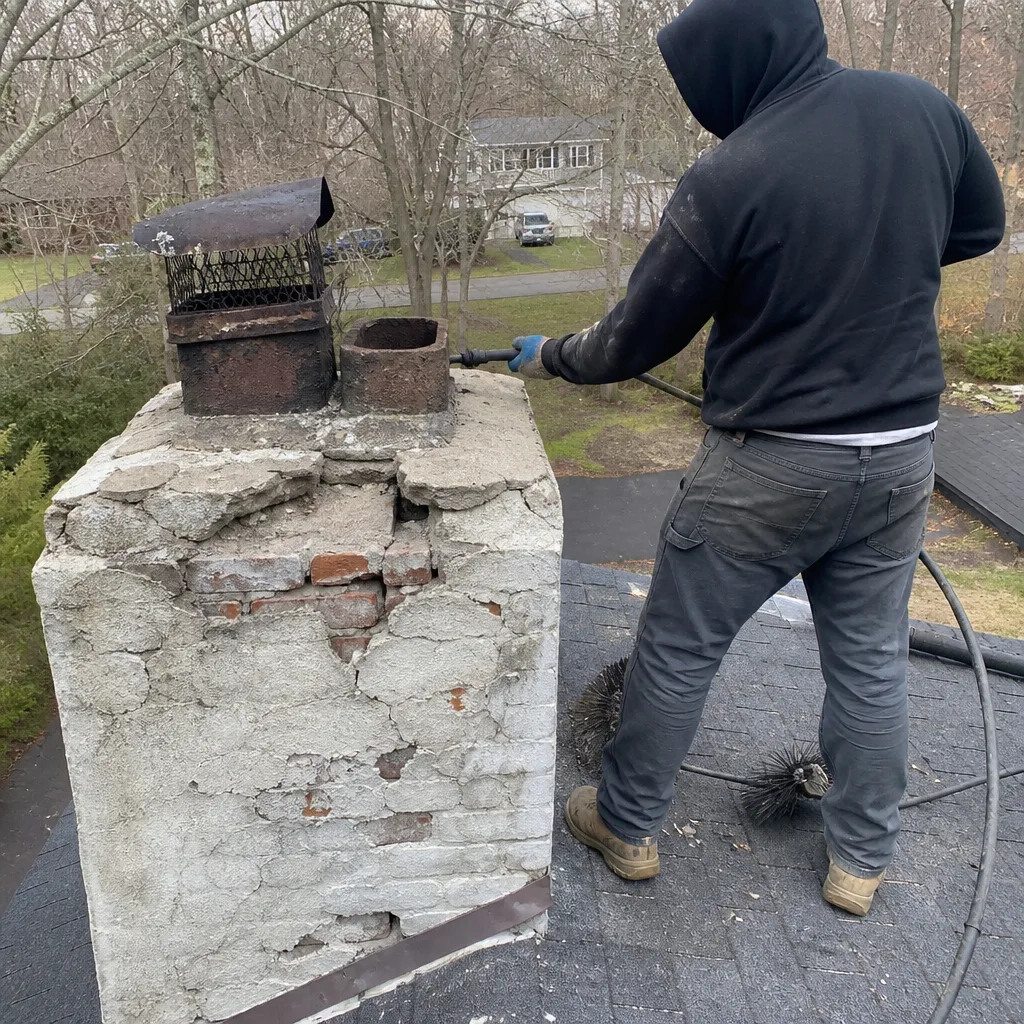 Before
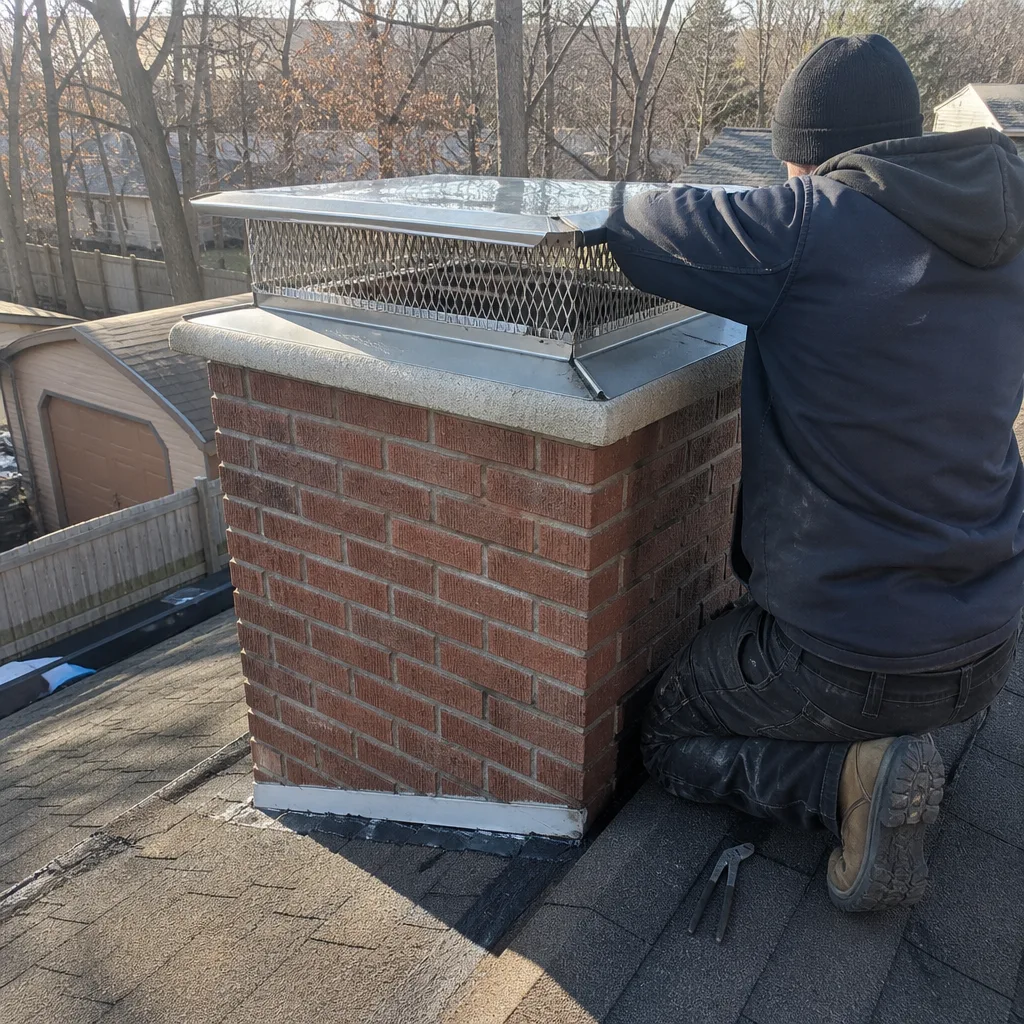 After
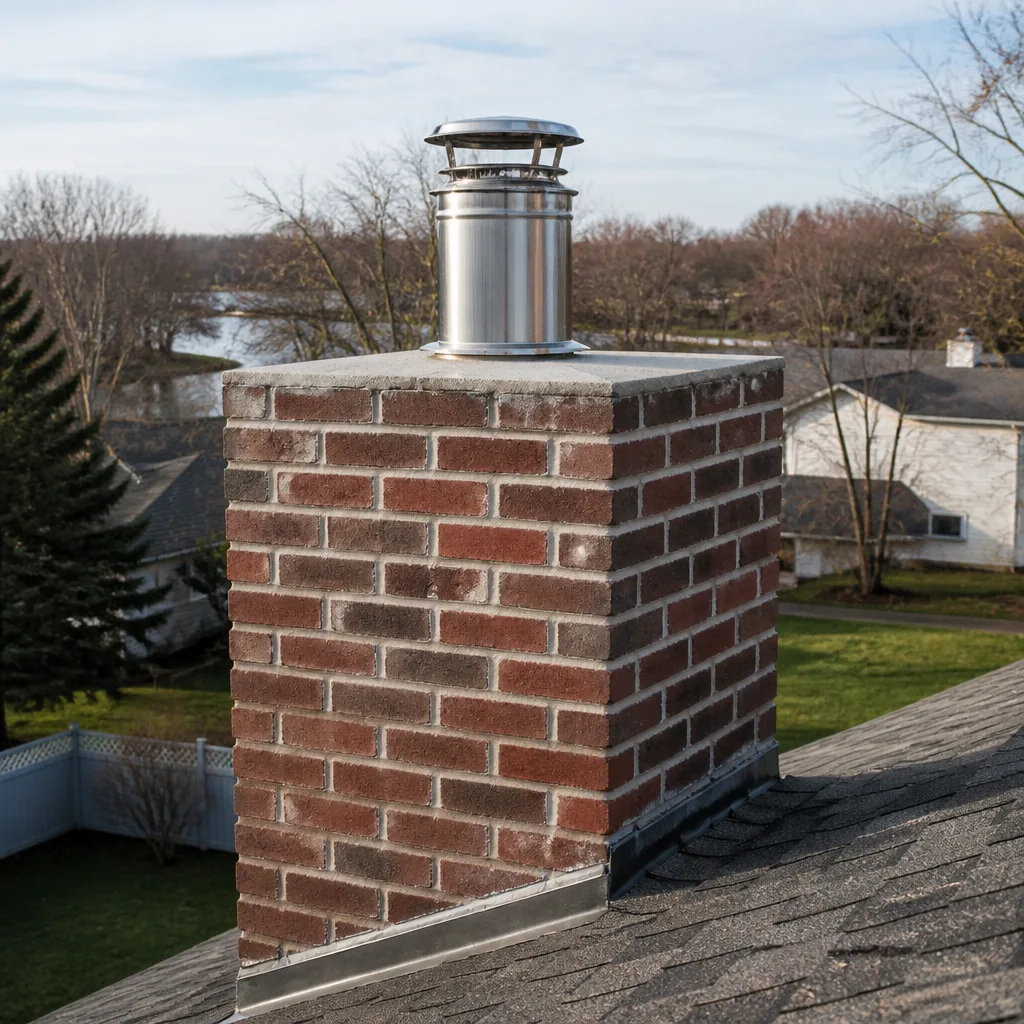
After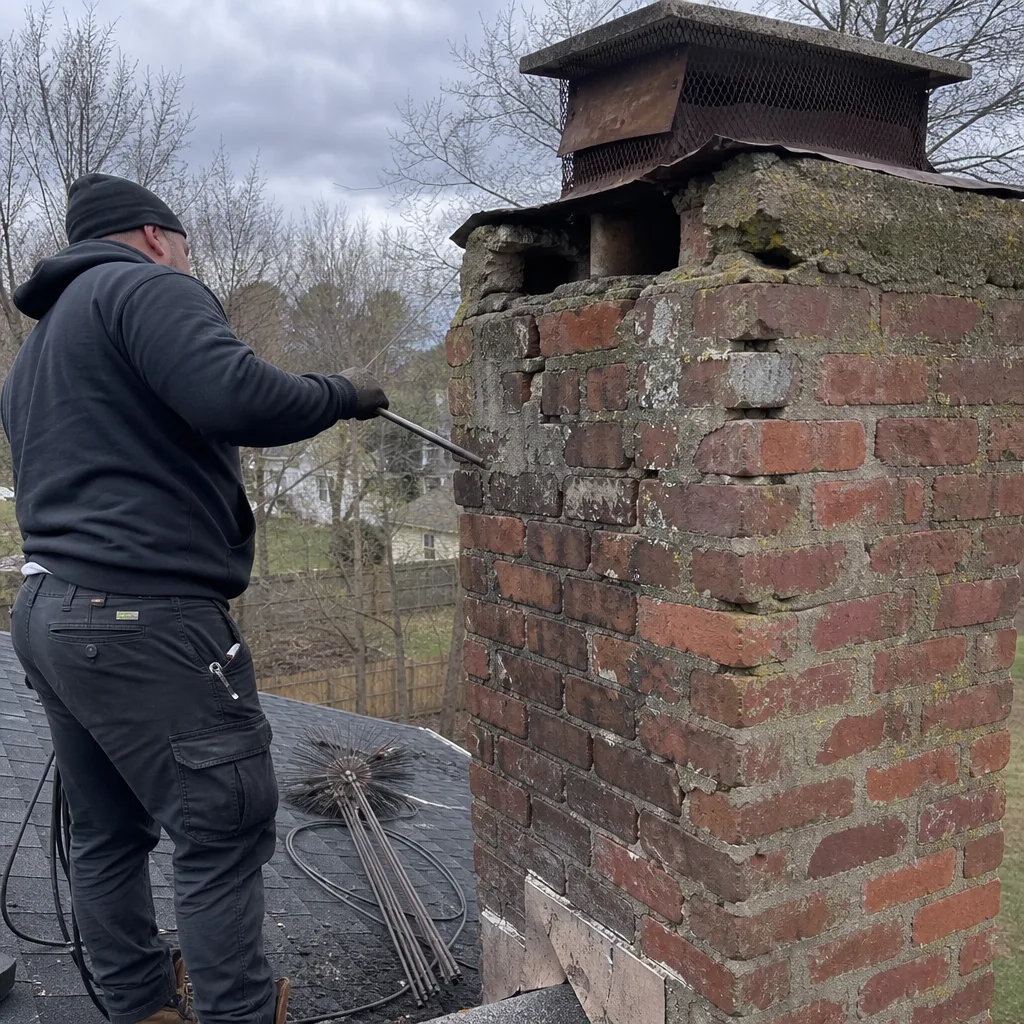 Before
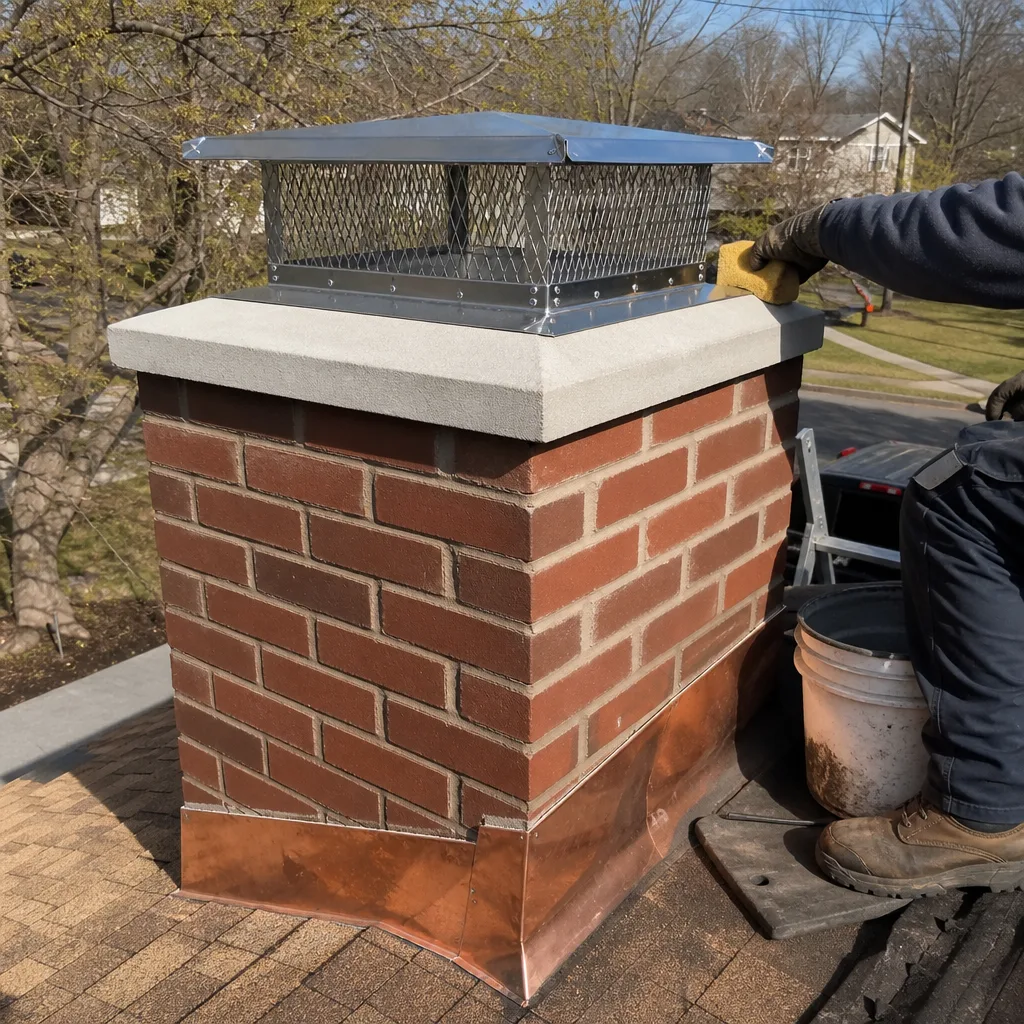 After
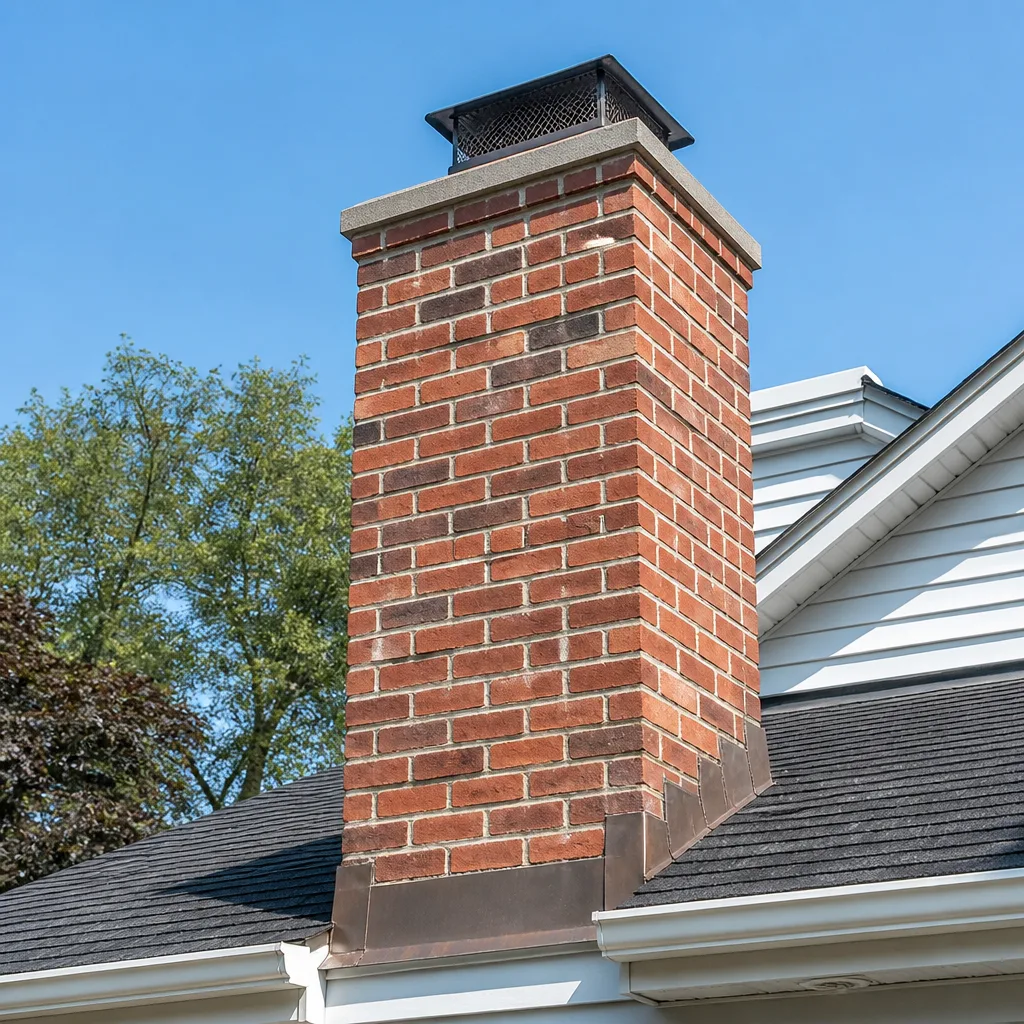
After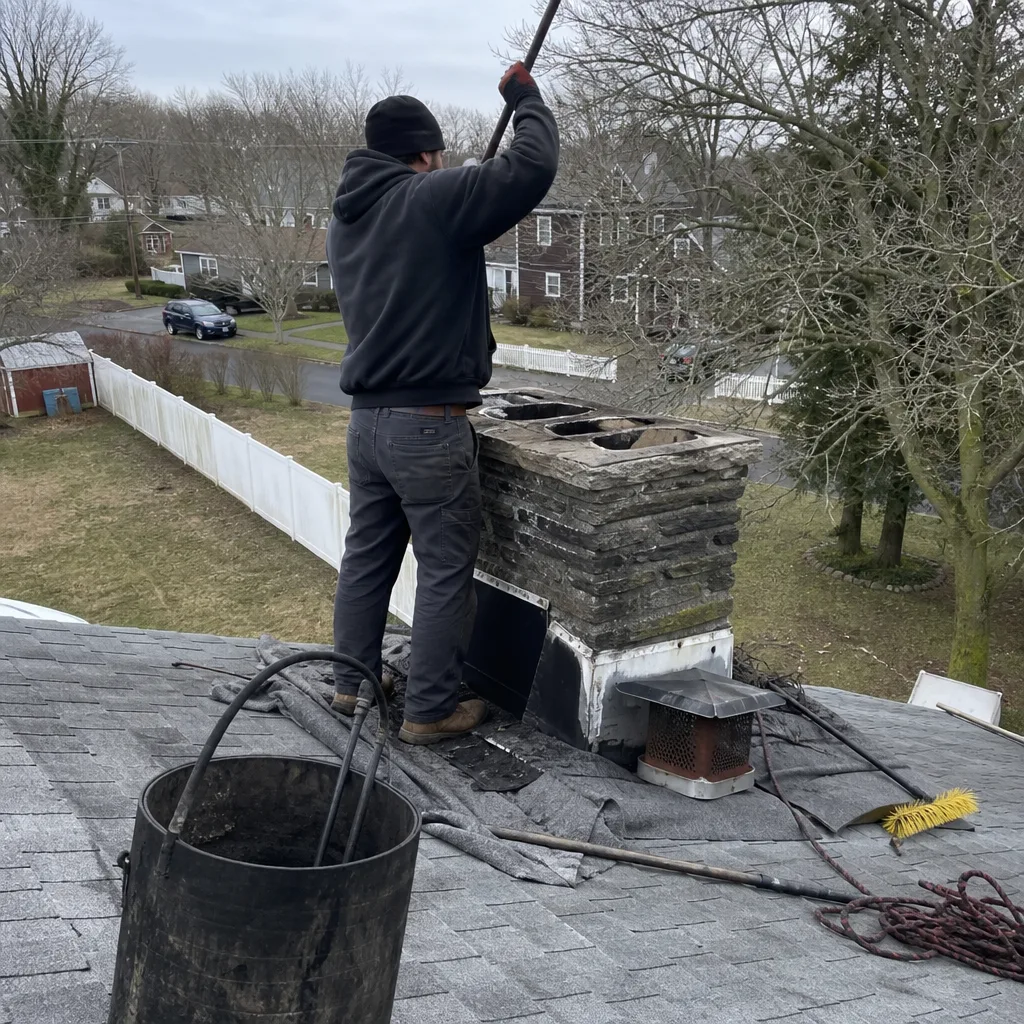 Before
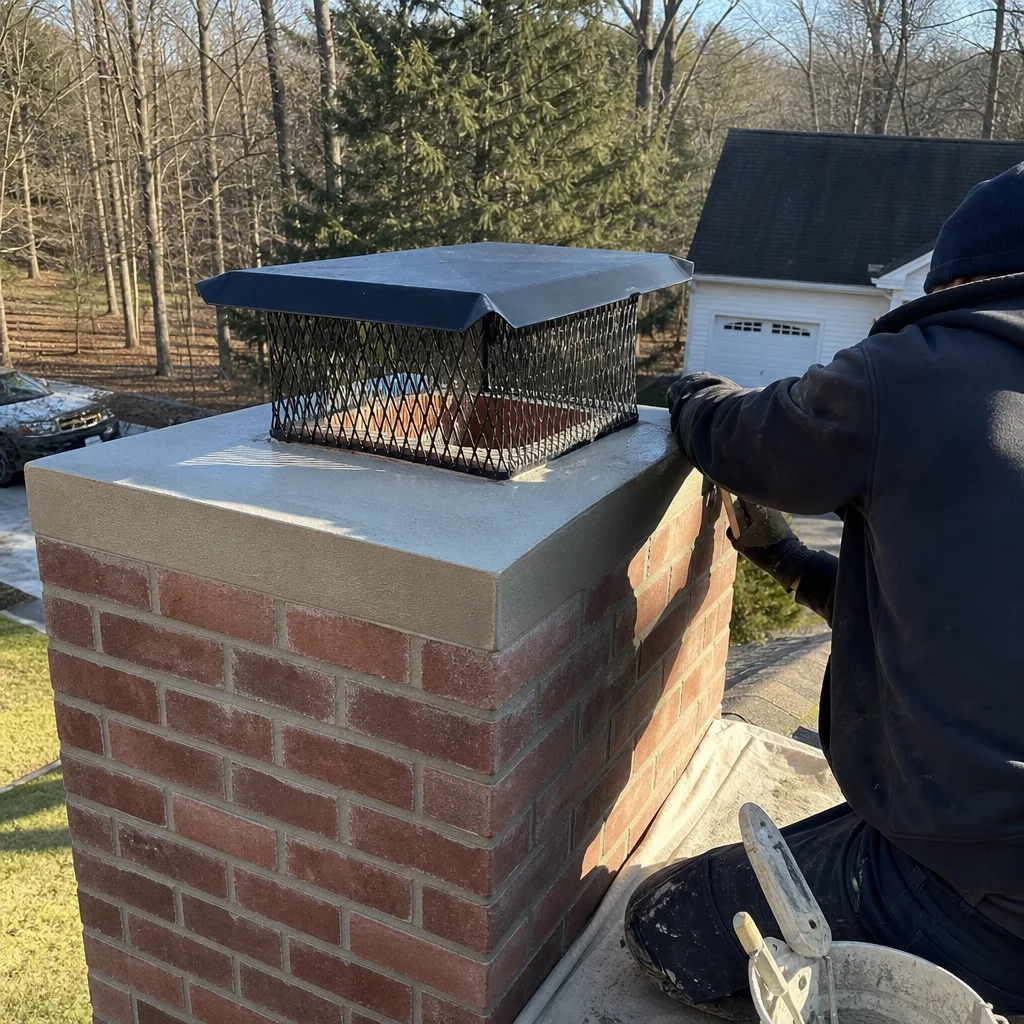 After
AfterChimney Cleaning & Sweep Maintenance Checklist for Smithtown Homeowners
Most Smithtown homeowners assume their annual chimney sweep visit is enough. It isn’t. The cap, the damper, and the firebox door are three items a professional cleans but rarely teaches you to inspect yourself - yet each one can fail between annual appointments and create a hazard that a year-old inspection report won’t catch. In our 42 years serving Suffolk County, we’ve responded to chimney fires in Hearthstone Chimney Co. home that started eight months after a cleaning, simply because a rusted cap let water pool above a cracked flue liner. This guide separates what your sweep handles from what you must monitor yourself, with tasks tied to Smithtown’s actual heating season.
Quick Answer
A complete chimney maintenance program for Smithtown homeowners combines a professional Level-2 inspection and sweeping once per year with monthly owner visual checks of the cap, damper, and firebox, seasonal tasks in October, January, and April, and documented photo records to track change over time. Professional cleaning removes creosote and debris you cannot reach; owner monitoring catches failures between visits that no sweep can predict.
Table of Contents
- What the Professional Handles vs. What You Monitor
- Monthly Visual Checks: The Three Items That Fail Between Sweeps
- Smithtown Seasonal Calendar: Tasks by Month
- Firewood Storage and Moisture Content Standards
- Building a Photo Record: What to Document and When
- How to Read and Use Your Post-Cleaning Report
- Common Mistakes to Avoid
- When to Call a Professional
- Frequently Asked Questions
What the Professional Handles vs. What You Monitor
There’s a boundary every homeowner should understand. On one side, tasks that require specialized tools, roof access, and trained judgment. On the other, simple visual checks that take five minutes and can prevent a mid-winter emergency call.
Your Chimney Cleaning & Sweep in Smithtown professional handles: creosote removal from the full flue length, inspection of the interior flue liner with a camera system, measurement of liner clearance to combustibles, evaluation of the masonry crown and wash for cracks, assessment of the smoke chamber and damper frame for proper function, and documentation with dated photos. In Smithtown’s climate, where freeze-thaw cycles from November through March accelerate masonry deterioration, the camera inspection is particularly critical. Water that enters through a hairline crown crack in October can expand that crack to a quarter-inch by February.
What you handle between visits: visual confirmation that the cap is present and intact, damper opens fully and seats closed without binding, firebox bricks and refractory panels show no new cracking or spalling, and the hearth area remains clear of ash buildup beyond one inch. These checks require no tools beyond a flashlight and your phone camera.
The gap between these two domains is where problems develop. A sweep can certify your flue is clean on September 15. By January 10, a windstorm in Smithtown Harbor may have dislodged your cap, or a family member may have operated the damper roughly enough to bend the frame. Neither failure produces smoke in the living room immediately. Both create conditions that accelerate damage and increase fire risk.
Our K.E.Y.S. values code - Krafted right, Every time, Your home first, Standing behind it - governs how we document the professional side. But we cannot stand in your living room on a Tuesday in February. The checklist below is designed to close that gap.
Monthly Visual Checks: The Three Items That Fail Between Sweeps
These three components are your early warning system. Each has a specific “normal” appearance and specific failure modes we’ve seen repeatedly in Smithtown homes, from the older colonials near Main Street to the ranch-style houses in the Nesconset border area.
The Cap: What Normal Looks Like
A proper chimney cap is a metal cover with mesh sides, secured to the flue tile or crown with screws or a compression band. Normal: all mesh sides intact, no visible rust streaks running down the flue tile, cap sits level without tilting, no gaps between cap base and flue top. In Smithtown’s coastal-influenced climate, galvanized steel caps show rust faster than stainless. If your cap is more than ten years old and shows orange staining, plan for replacement regardless of whether it still sheds water today.
Failure mode to watch: mesh sides clogged with leaves or creosote flakes, which restricts draft and can force combustion gases into the living space. After the October leaf drop and again after January storms, shine a flashlight up the flue from the firebox. You should see daylight through the mesh. If you don’t, call for service - this is not a DIY cleaning task at roof height.
The Damper: Operation and Frame Condition
The damper is the metal plate that seals the flue when the fireplace is not in use. Normal operation: handle or chain moves smoothly through full range, plate seats flat against the frame with no visible gap when closed, no grinding or scraping sound during operation. Open the damper fully before lighting any fire. Close it only after the fire is completely out and the chimney is cool.
Failure mode to watch: plate that sticks or binds, indicating warping from overheating or rust on the pivot rod; frame that has pulled away from the firebox wall, creating a permanent gap even when “closed”; or chain/handle that has lost tension and allows the plate to drift open. A damper that won’t seal costs you heated air every winter night and can allow downdrafts that carry chimney odors into the room.
The Firebox: Bricks, Refractory Panels, and Hearth
The firebox contains the fire itself. Normal: firebrick faces are intact with minor surface discoloration but no missing chunks; refractory panels (in prefabricated fireplaces) show no cracks wider than a credit card edge; hearth surface is level and uncracked; no ash buildup exceeds one inch.
Failure mode to watch: cracked refractory panels that expose the metal firebox wrapper - this is a replace-soon condition, not an emergency, but it cannot wait until next year’s sweep. Spalling brick faces where the surface flakes off, indicating moisture penetration from a failed chimney crown. And the subtle one: a hearth that has settled or cracked, suggesting foundation movement that may also have stressed the chimney structure. In Smithtown’s glacial soils, minor settling is common; significant hearth displacement warrants a structural evaluation.
Smithtown Seasonal Calendar: Tasks by Month
Smithtown’s heating season runs roughly mid-October through mid-April, with peak demand in January and February when polar air drops down from Canada. Your maintenance calendar should anticipate this pattern, not react to it.
October: Pre-Season Startup (Before First Fire)
- Schedule professional inspection and sweeping if not done since last spring. Chimney Cleaning & Sweep in Smithtown appointments fill by late September - book in August if possible.
- Perform the three monthly checks: cap, damper, firebox.
- Test smoke and carbon monoxide detectors. Replace batteries regardless of test tone - winter is when these matter most.
- Inspect firewood supply: should be split, stacked, and covered for minimum six months. More on this below.
- Remove any bird nests or debris visible at the flue top. If nesting material is deep in the flue, do not attempt removal - this is professional work.
Smithtown-specific note: October is also when stink bugs and lady beetles seek overwintering sites. We’ve found clusters of both inside chimney caps during fall inspections. The cap mesh should exclude them; if you’re finding insects in the firebox, the mesh may be damaged or missing.
January: Mid-Season Spot Check (During Peak Use)
- Repeat the three monthly checks with particular attention to cap integrity after winter storms.
- Check for water staining on the ceiling near the chimney breast - ice damming on the roof can send water down the chimney chase in ways that don’t appear in warmer months.
- Verify that fires are drafting properly: smoke should rise straight up, not linger in the firebox or spill into the room. A smoky fireplace mid-season often indicates creosote buildup beyond what the October cleaning removed, or a cap clogged with frozen condensation and debris.
- Document any changes in fire performance: harder to start, more smoke smell when not in use, unusual sounds from the flue. Note these for your sweep.
In the Smithtown area, January temperatures average 25-32°F with frequent freeze-thaw cycles. This is when minor crown cracks become major leaks, and when we’ve seen the most emergency calls for water damage traced to cap failures that went unnoticed since fall.
April: Post-Season Assessment (After Last Fire)
- Schedule any needed repairs identified during the heating season - masonry work, liner repair, damper replacement. Spring scheduling is more flexible, and materials like HeatShield refractory mortar cure better in moderate temperatures.
- Perform final monthly checks and photograph the firebox, damper, and cap condition for year-over-year comparison.
- Clean ash from the firebox completely - ash holds moisture and accelerates metal component corrosion over the summer.
- Close the damper but leave a note on the mantel or in your calendar to open it before the first fall inspection. We’ve responded to calls from homeowners who scheduled sweeps with the damper closed, preventing proper brush access.
- Evaluate firewood supply: discard any that remained uncovered and absorbed spring rain. Plan procurement so next year’s wood has full summer to season.
Firewood Storage and Moisture Content Standards
We can clean your flue thoroughly in September. If you burn wet wood all winter, you’ll have dangerous creosote buildup by February. This is the single biggest factor in chimney fire risk that you control completely.
Proper firewood in Smithtown’s climate:
- Hardwoods only: oak, maple, hickory, beech. Softwoods like pine and spruce burn fast, cool, and resinous, producing more creosote per unit of heat. The stands of pitch pine in Suffolk County are not suitable for fireplace use regardless of convenience.
- Split to 16-18 inch lengths, sized to your firebox.
- Stacked off the ground on pallets or rails, in single rows or spaced stacks that allow airflow on all sides.
- Covered on top only, with sides open to wind and sun. Fully enclosed sheds prevent drying; plastic sheeting on all sides traps moisture.
- Seasoned minimum six months, ideally twelve. In Smithtown’s humid summers, twelve months is safer.
Moisture content target: below 20 percent. You can test with a simple moisture meter ($20-30 at hardware stores) or by weight - well-seasoned oak feels noticeably lighter than freshly cut. The bark should be loose and cracking. When struck, two pieces should produce a sharp crack, not a dull thud.
Burning wood at 25 percent moisture or higher costs you heat efficiency and deposits creosote at 2-3 times the rate of properly seasoned fuel. We’ve cleaned flues in Kings Park and Commack homes where the homeowner burned “this year’s wood” and needed mid-season service. The Chimney Cleaning & Sweep in Smithtown appointment you skipped in October cannot protect you from wood you cut in November.
One more Smithtown-specific note: the emerald ash borer has killed thousands of ash trees in Suffolk County. Standing dead ash dries faster than live-cut wood, but it also degrades quickly if left on the ground. If you’re sourcing local ash, cut and split it promptly, stack it covered, and use it within two years. After that, punky ash becomes a fire hazard itself.
Building a Photo Record: What to Document and When
Your sweep documents the flue interior with a camera. You should document what you can see from the living room and yard. A simple phone photo record, maintained year to year, helps both you and your professional identify change over time.
What to Photograph
- Firebox, wide angle: Stand at the hearth and capture the full firebox including side walls, back wall, and floor. Include the damper frame in the upper portion. Date the photo.
- Firebox, detail: Close-up of any existing cracks, discoloration, or repairs. These are your baseline comparison points.
- Damper plate and frame: With the damper fully open, photograph the plate edge and frame condition. With it closed, photograph the seal line for light gaps.
- Exterior cap, from ground: Use maximum zoom or binocular-assisted phone alignment. Capture cap position, visible mesh condition, and any rust streaks on the flue tile.
- Crown or wash, from ground: Same technique. Look for cracks, missing pieces, or vegetation growth.
- Hearth and surround: Full view including any hearth extension, facing material, and mantel connection.
When to Photograph
Take your baseline set in April, after the heating season ends and you’ve cleaned the firebox. This is the “after” state that your October pre-season photos will compare against. Take a second set in October before first use, and a third set in January if you performed any mid-season checks. Store these in a dedicated album or folder, dated.
What you’re looking for year to year: new cracks in refractory panels or brick faces, increased rust on the damper frame, cap position changes (tilting, mesh damage), new water stains on the firebox walls indicating a crown or flashing leak, and hearth settlement or facing separation.
When you schedule your annual Chimney Cleaning & Sweep in Smithtown appointment, share relevant photos with your technician. “This crack wasn’t here last April” is actionable information. “Something looks different” is not. The photo record turns vague concern into specific diagnostic context.
How to Read and Use Your Post-Cleaning Report
After a professional cleaning and inspection, you should receive a written report. Not a receipt. Not a verbal summary. A document that certifies what was done, what was found, and what was recommended with clear priority levels. This report is your maintenance baseline for the following year. Here’s how to read it and how to use it.
What the Report Should Confirm
- Date of service, technician name, and company identification.
- Chimney type, appliance type, and fuel type verified.
- Cleaning method used (rotary brushing, manual brushing, chemical treatment for glazed creosote).
- Level of inspection performed (Level 1 visual, Level 2 camera, or Level 3 destructive).
- Specific measurements: flue liner condition, clearance to combustibles if accessible, crown dimensions and condition.
- Photo documentation of the flue interior, crown, and any areas of concern.
- Plain-English verdict on system safety for use, with any restrictions or conditions.
- Recommended repairs prioritized as immediate (use restricted until completed), short-term (within one year), or monitoring (document and recheck).
At Hearthstone Chimney Co., our reports include dated photos you can see and a plain-English verdict documented like an engineer, explained like a craftsman. We don’t hand you a checklist with every box pre-checked. We write sentences that mean something.
How to Use the Report as Your Baseline
File the physical or digital copy where you’ll find it next October. Before your next scheduled service, review it against your own photo record. Has the “monitor” crack grown? Is the “short-term” cap replacement still pending? The report’s recommendations don’t expire just because a year has passed - they mature.
If you received a repair recommendation you deferred, understand why. A cracked crown “monitor” item in a dry summer may become an “immediate” item after a wet winter. Smithtown’s coastal climate, with salt air accelerating metal corrosion and freeze-thaw stressing masonry, doesn’t forgive deferred maintenance the way drier inland climates might.
The 90-Day Done Right Promise on our work means if we cleaned and inspected your system, and something we certified as sound fails within that window, we make it right. In writing, no arguing. But that promise covers our work, not the natural progression of conditions we identified and you chose to monitor. The report boundary is clear when you know how to read it.
Common Mistakes to Avoid
- Assuming a clean flue means a safe system. Creosote removal is one component. A clean flue with a cracked liner or failed damper is still hazardous. The three monthly checks exist because cleaning doesn’t address these failures.
- Burning construction debris or treated wood. Pressure-treated lumber, painted wood, and plywood emit toxic compounds and burn at temperatures that damage flue liners. We’ve replaced DuraFlex liners in Smithtown homes where the homeowner burned scrap from a deck renovation. The savings on firewood cost thousands in liner replacement.
- Ignoring the cap because “it’s just there to keep rain out.” The cap also excludes animals, prevents downdrafts that blow smoke into the room, and stops sparks that can ignite roof debris. A missing cap in Smithtown’s wooded neighborhoods is a fire risk and an invitation for squirrels, raccoons, and starlings to nest.
- Storing firewood against the house foundation. This invites termites and carpenter ants, and it keeps the wood from drying properly. Stack at least 18 inches from the foundation, 5 feet from the structure if possible. The side yard between houses in Smithtown’s tighter lots is often the only option - use it, not the garage wall.
- Skipping the January check because “it was fine in October.” October to January is the highest-stress period for chimney components. The cap that was secure after fall installation may have loosened in December wind. The damper that operated smoothly when cold may bind when hot. Mid-season verification catches what pre-season inspection cannot predict.
- Not asking for photos during the inspection. A report without images requires you to trust verbal descriptions. Demand visual documentation, and review it with the technician while the context is fresh. Our Level-2 camera inspections end with photos the homeowner can see - this is not an upgrade, it is standard practice.
- Treating chimney maintenance as a “set it and forget it” annual event. The thesis of this entire guide: your sweep handles what you cannot reach and cannot judge. You handle what you can see and what changes between visits. Neither alone is sufficient.
When to Call a Professional
Some conditions require immediate professional evaluation, not next-month monitoring. Call for service if you see: smoke spilling into the room during normal fire operation; visible flames or glowing material in the chimney structure outside the firebox; a strong, persistent odor of creosote or smoke when the fireplace is not in use; water actively dripping into the firebox or staining the ceiling near the chimney; a cap that is missing, severely tilted, or has damaged mesh you can see from the ground; or a damper that will not open or will not close completely.
Do not attempt to operate the fireplace with any of these conditions present. Carbon monoxide risk from a blocked or damaged flue is real and not detectable without a working CO detector. Chimney Repair in Smithtown from Hearthstone Chimney Co. includes free estimates - call (631) 814-2057. A live person answers every call, 24 hours a day, every day. We’ll schedule a visit, document what we find with photos you can see, and give you a plain-English verdict with no-hassle upfront pricing. The number on the estimate is the number on the invoice.
Frequently Asked Questions
A standard chimney cleaning and Level-1 inspection in the Smithtown area typically runs $199-$289 for a single-flue masonry fireplace, with Level-2 camera inspections adding $150-$250 depending on accessibility and documentation detail. Factors that affect price: number of flues, appliance type (wood-burning fireplace, gas insert, or stove), and whether glazed creosote removal requires chemical treatment. Call (631) 814-2057 for an exact quote - estimates are free, and our $89 Seasonal Tune-Up offer applies to qualifying systems.
The National Fire Protection Association recommends annual inspection for all chimney systems, with cleaning frequency based on use and fuel. Most Smithtown homeowners who burn wood regularly need annual sweeping; those who use gas appliances may extend to every two years with inspection. In our experience serving Suffolk County since 1984, the combination of hardwood burning, coastal humidity, and freeze-thaw weathering makes annual service the prudent standard for wood-burning systems in this area.
A legitimate liner recommendation should be supported by camera inspection footage you can see, with specific defects identified: cracks, gaps, missing mortar joints in tile liners, or corrosion holes in metal liners. At Hearthstone Chimney Co., nothing is recommended without camera evidence, and we’ll plainly tell you when work can safely wait. If your sweep cannot show you the problem, get a second opinion - ours is free with any written estimate in hand.
Skipped maintenance allows creosote to accumulate to hazardous levels, increasing chimney fire risk; permits minor crown cracks to expand into major water entry points; and lets liner deterioration progress to the point where repair becomes replacement. In Smithtown’s climate, we’ve seen three-year-deferred maintenance turn $400 crown repairs into $3,000+ rebuilds. The cost of annual service is predictable. The cost of deferred maintenance is not.
Roof-mounted chimney cleaning requires proper ladders, fall protection, and knowledge of flue construction that most homeowners lack. The firebox and damper area you can reach are not where dangerous creosote accumulates - that occurs in the upper flue and smoke chamber, accessible only from the roof or with specialized equipment. For safety and thoroughness, professional service is the sound choice. We complete most jobs in a single visit with background-checked, uniformed technicians.
Sweeping is the physical removal of creosote, debris, and obstructions from the flue. Inspection is the evaluation of system condition, structure, and safety. They are related but distinct services. A sweep without inspection certifies cleanliness only; an inspection without sweeping may be limited by creosote obstruction. Our standard appointment includes both, with the Level-2 camera inspection available for systems where interior evaluation is indicated.
Suffolk County follows the New York State Uniform Fire Prevention and Building Code, which adopts NFPA 211 standards for chimney construction and maintenance. Smithtown’s building department requires permits for chimney rebuilds, liner replacements, and structural modifications, but not for routine cleaning and inspection. If your sweep is performing work that alters the structure, verify permit status. At Hearthstone Chimney Co., we handle permit coordination for all qualifying projects as part of our service.
The Bottom Line
Chimney safety in Smithtown is a partnership. Your professional sweep handles the technical work you cannot: creosote removal, camera inspection, and structural evaluation using materials from trusted brands like Famco, Copperfield, and DuraFlex. You handle the ongoing monitoring that catches failures between visits: cap condition, damper operation, firebox integrity, and firewood quality. The seasonal calendar - October startup, January mid-check, April assessment - keeps this partnership active through the year. Document what you see with photos, read your post-service report as a living document, and call when conditions change. Done right, and we stand behind it. That’s the Keystone Standard we’ve maintained for over 42 years.
Written by Russell Haines, Owner at Hearthstone Chimney Co., serving Smithtown since 2014.