
Last updated September 10, 2026
Level 1 sweep and inspection to the NFPA 211 annual standard - flue, crown, cap, and flashing checked and photographed
Chimney sweep logs do not sweep chimneys. They loosen some creosote - which then falls where a brush and vacuum still have to collect it.
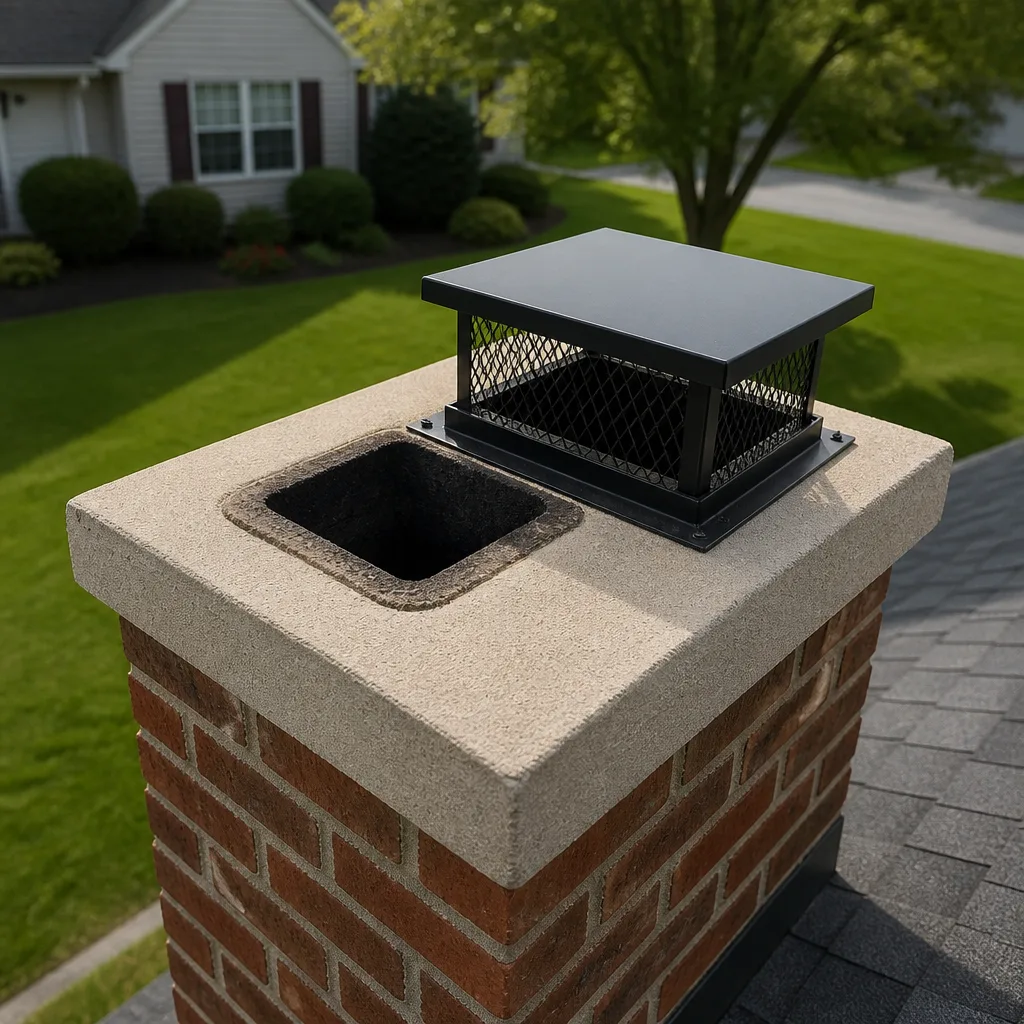
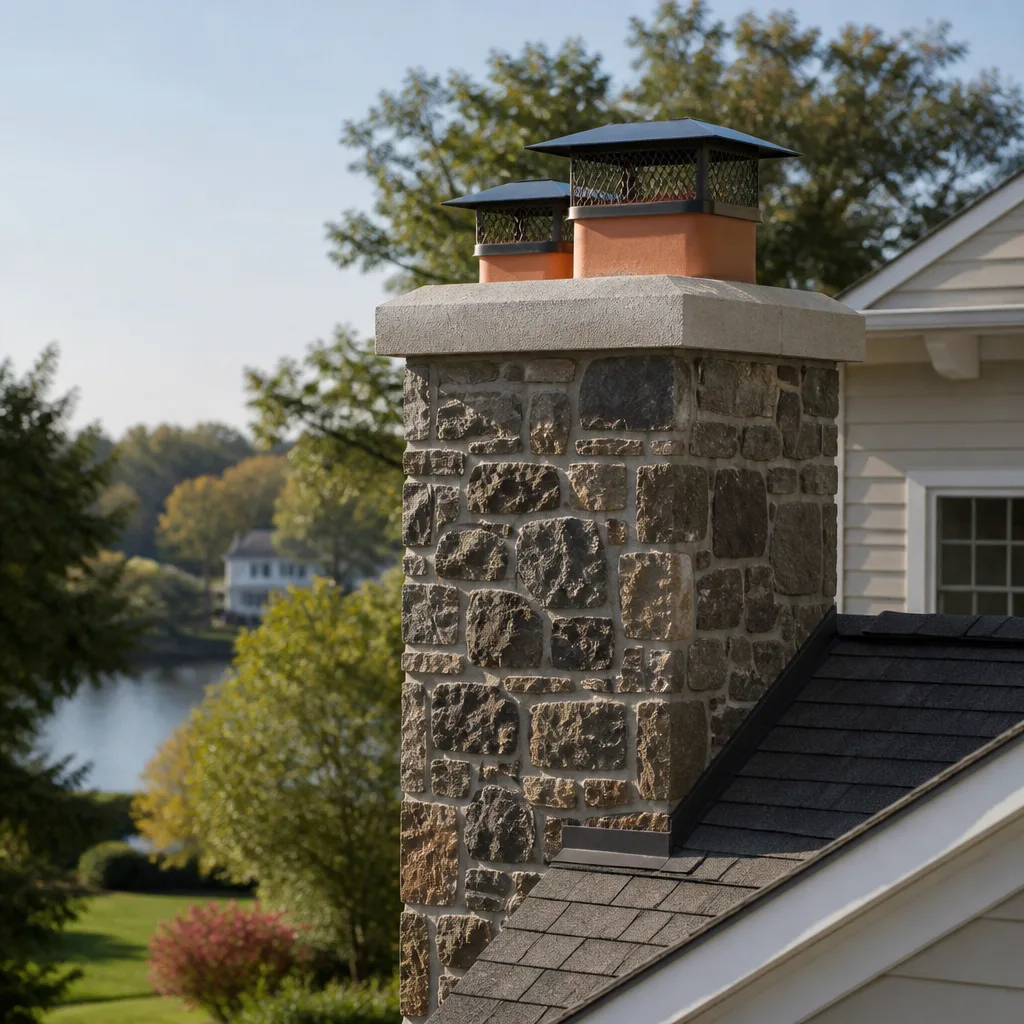
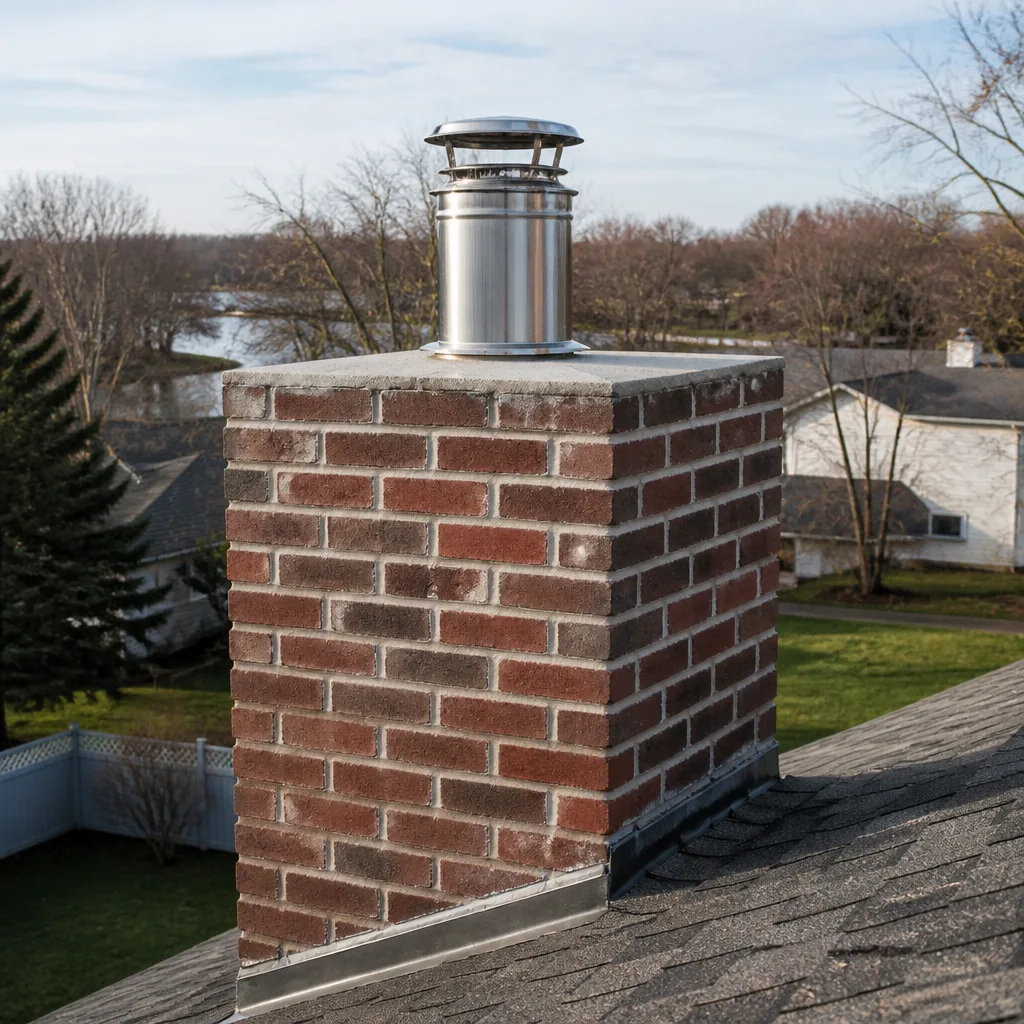
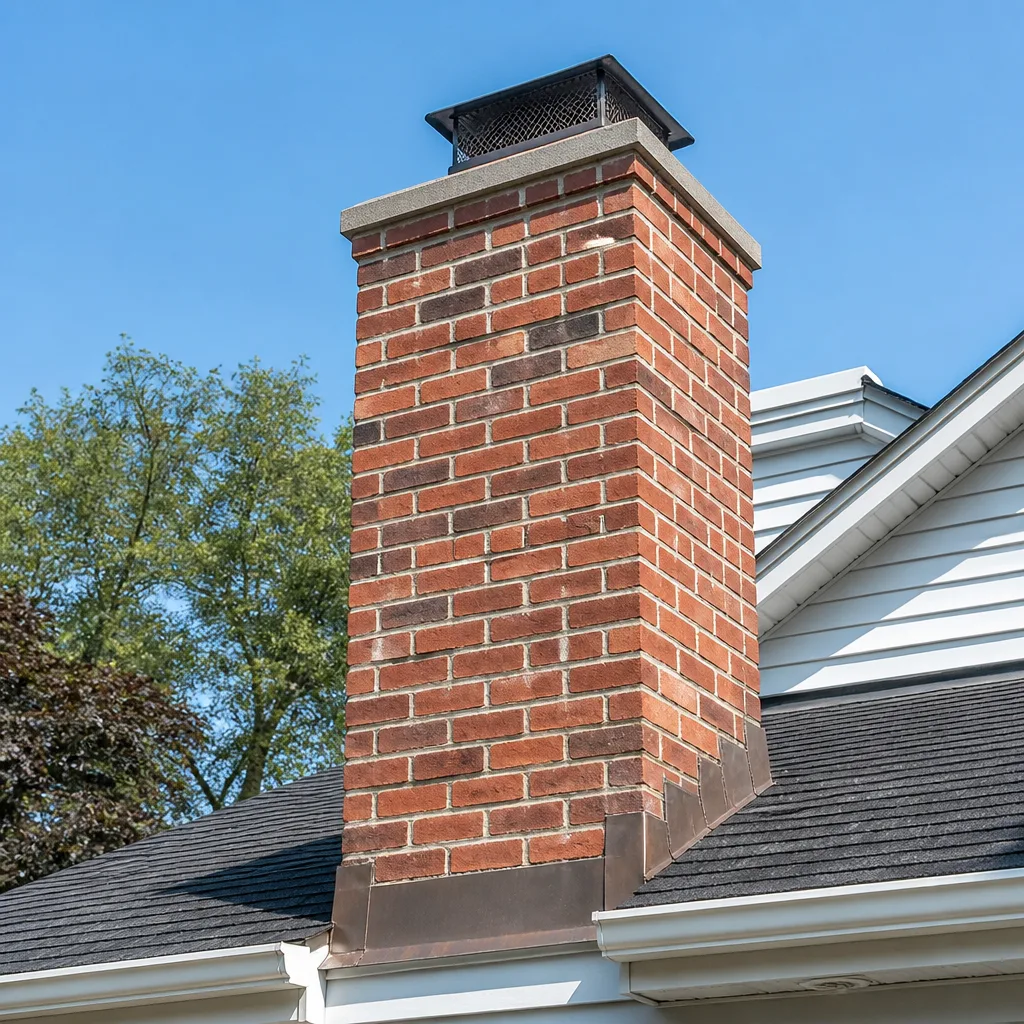
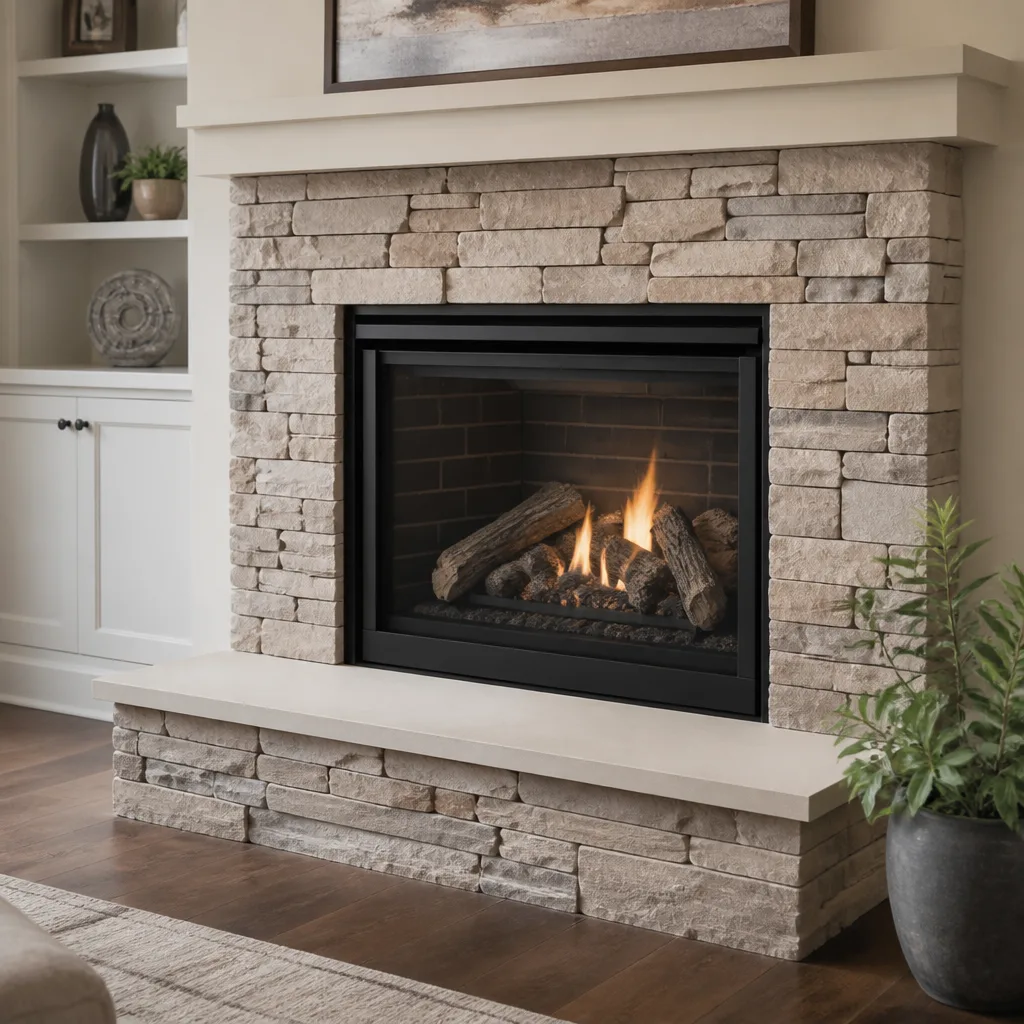
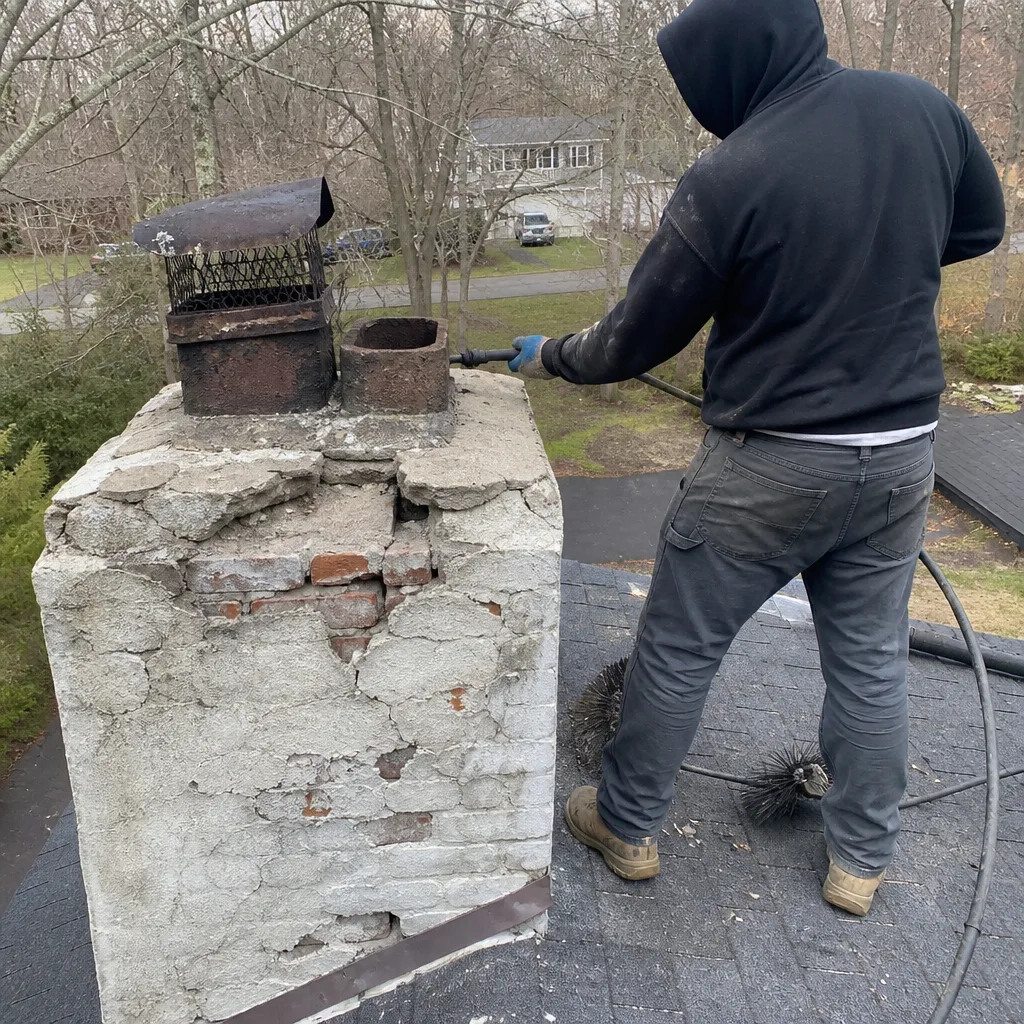 Before
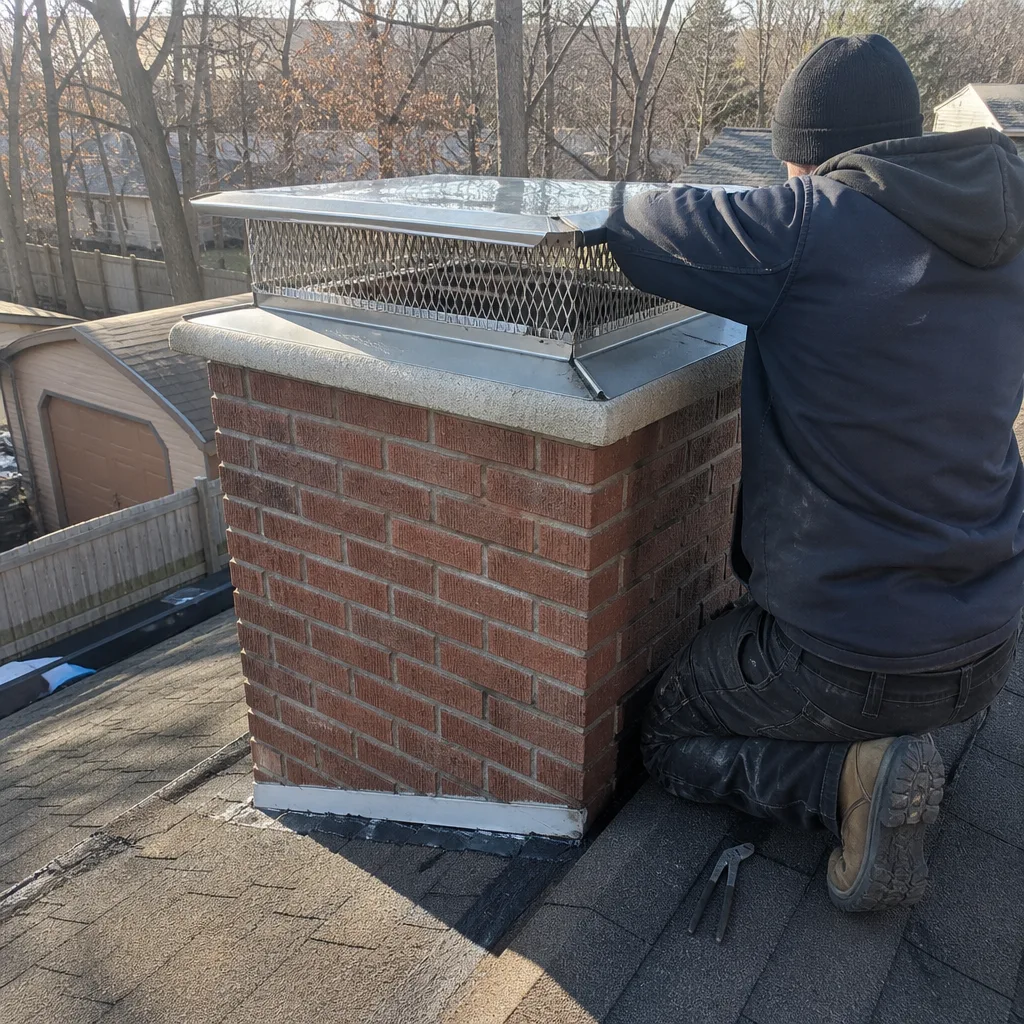 After
After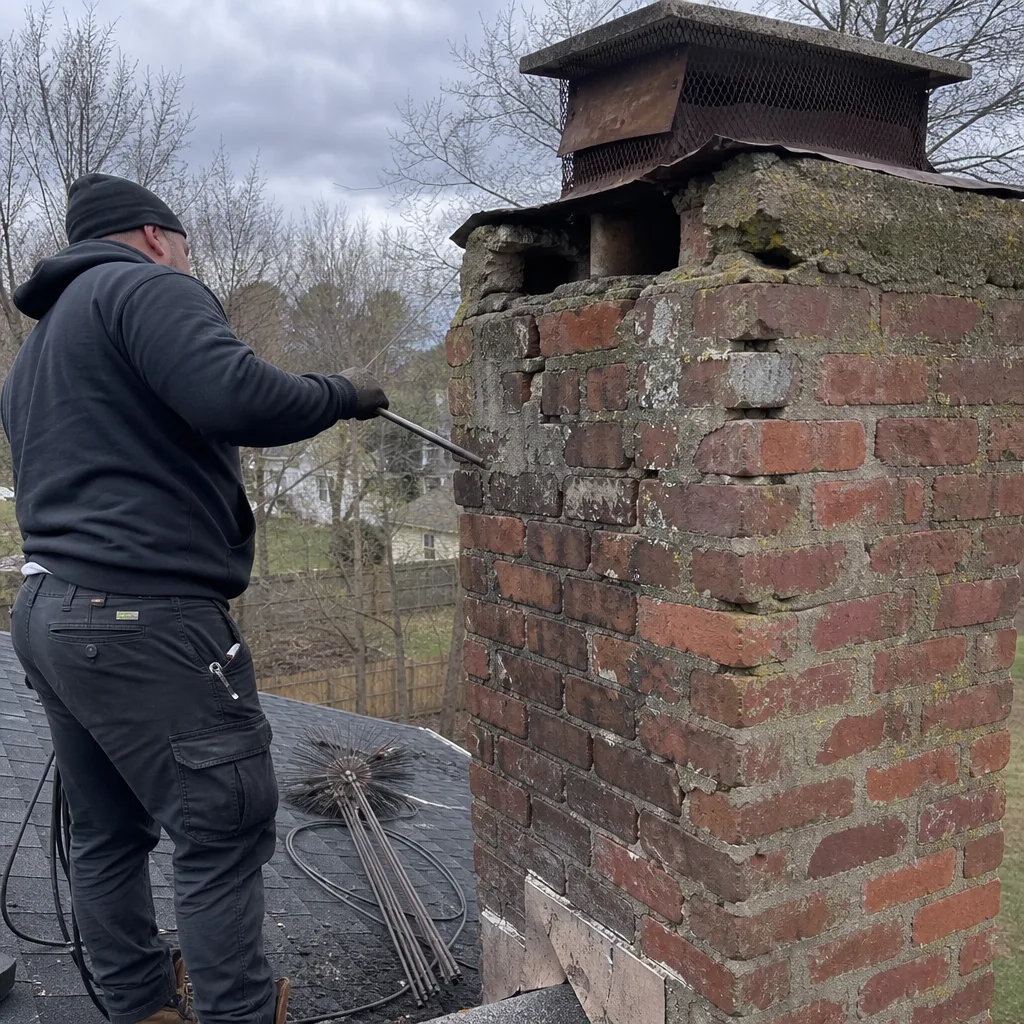 Before
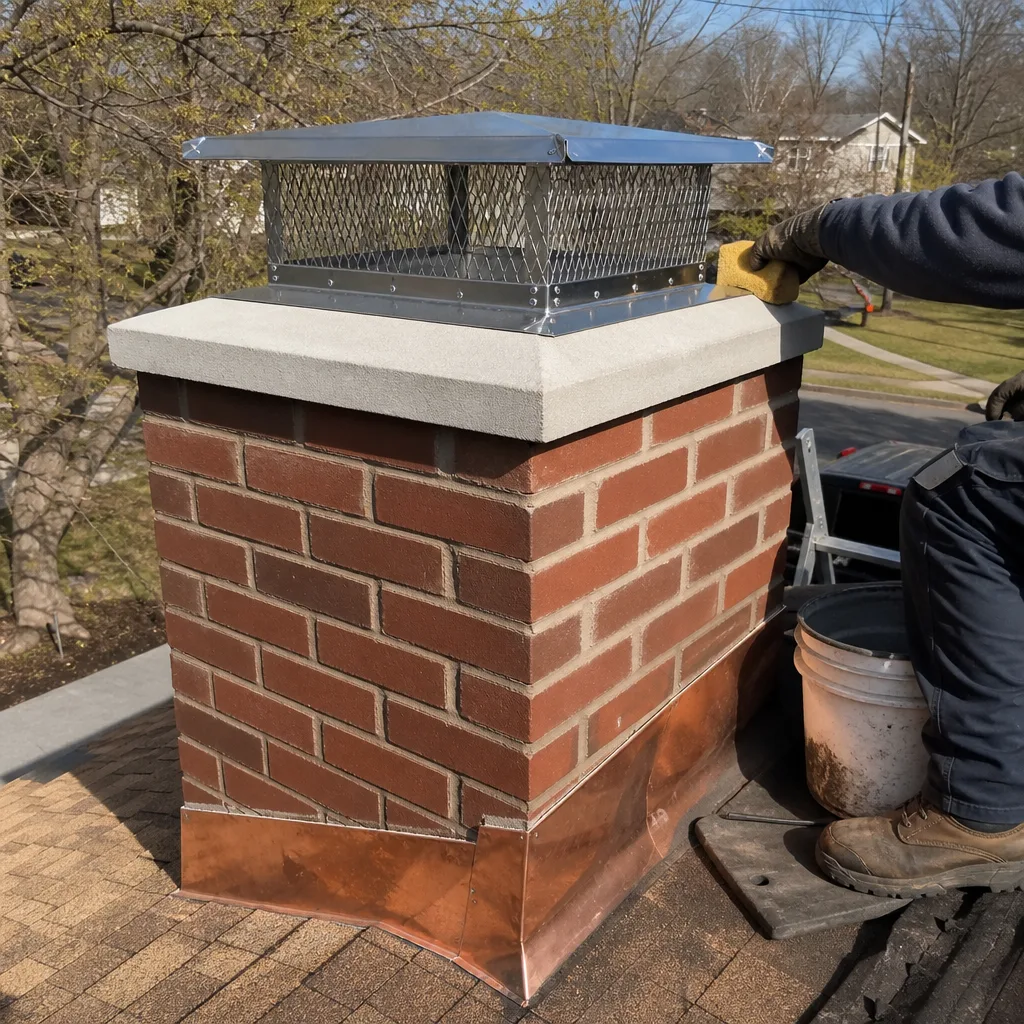 After
After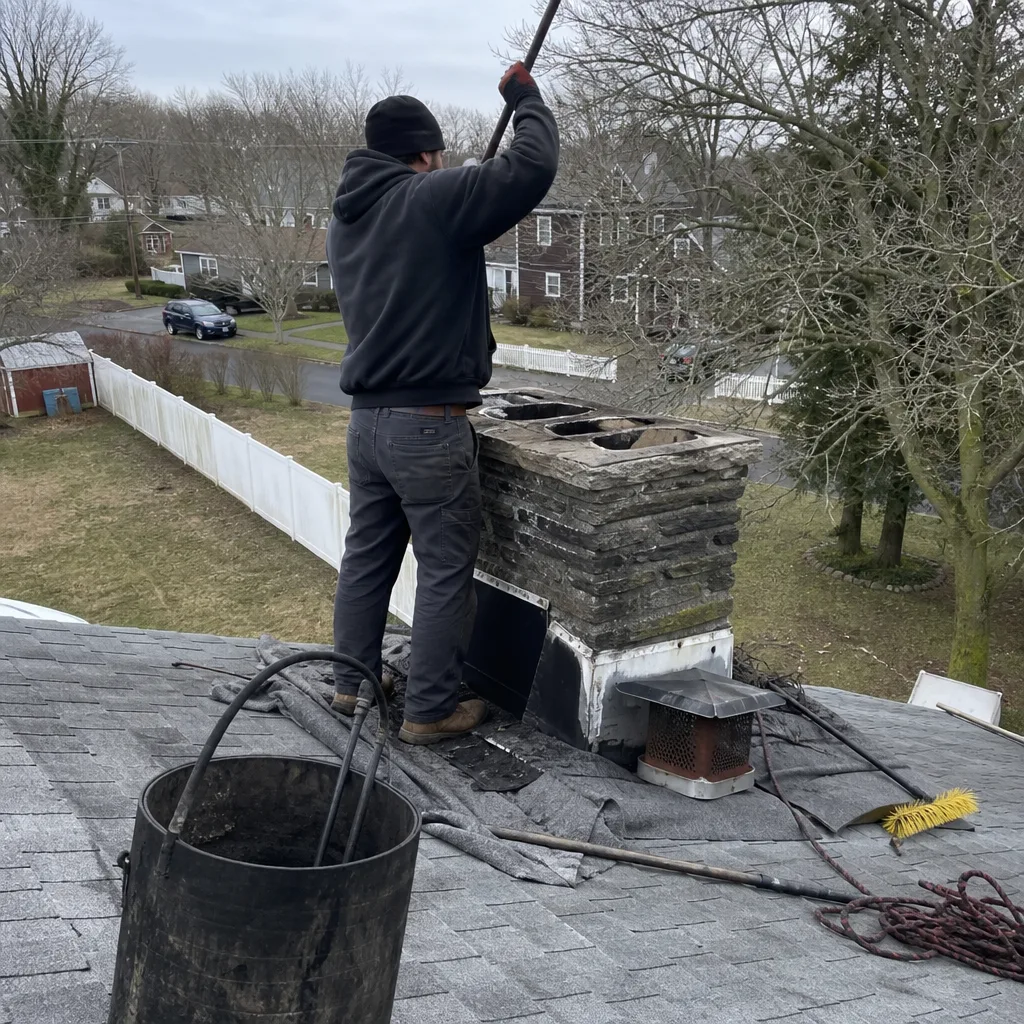 Before
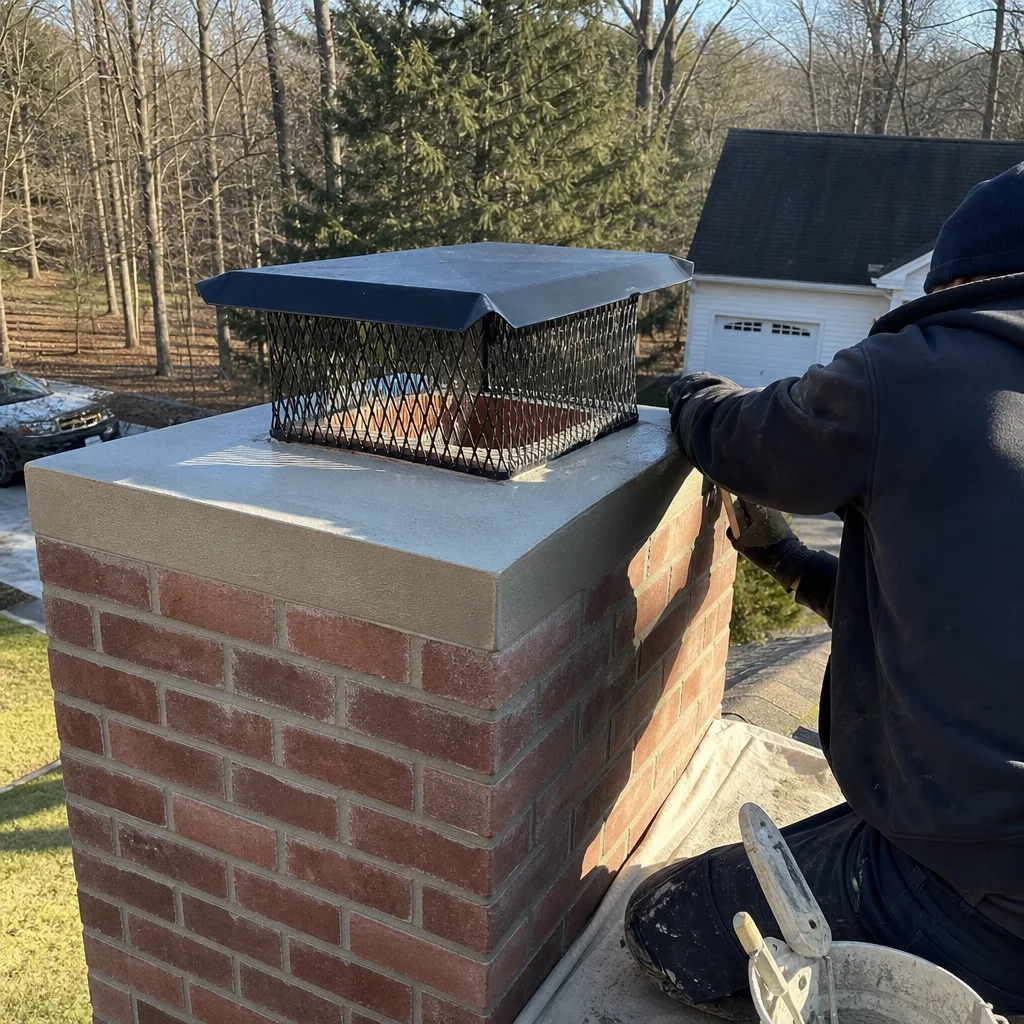 After
AfterDIY vs Professional Chimney Cleaning: The Smithtown Homeowner’s Decision Guide
The tools for a DIY chimney cleaning - rods, brushes, a HEPA vacuum - cost about $120 at a trade supply house. The problem isn’t the tools. It’s that cleaning removes creosote but doesn’t evaluate the flue, and a homeowner without a camera system has no way to know what they didn’t find. In Smithtown, where salt air from the Sound accelerates mortar deterioration and freeze-thaw cycles stress older masonry from November through March, that gap between “looks clean” and “actually safe” can be expensive. Or worse. This guide draws an honest line between when DIY chimney cleaning is genuinely reasonable and when it is genuinely dangerous, because homeowners who understand the real boundary make better decisions. For more guides & resources on chimney maintenance, explore our blog.
Quick Answer
DIY chimney cleaning is reasonable only for a narrow profile: a low-use, gas-log fireplace with a documented clean Level-2 inspection from the prior year, operated by a homeowner comfortable on a ladder and willing to accept that no hidden damage will be found. For every other Smithtown fireplace and chimney - wood-burning, oil or gas furnace venting, any system with unknown history, or any structure over 25 years old - professional cleaning with a camera inspection is the safer and more cost-effective choice. See How to Hire a Chimney Cleaning Contractor in Smithtown: A Step-by-Step Guide to find qualified help.
Table of Contents
- What DIY Chimney Cleaning Actually Accomplishes
- The One Scenario Where DIY Makes Sense
- What DIY Cleaning Cannot Do, No Matter the Technique
- The Hidden Risks of Incomplete DIY Cleaning
- Honest Cost Comparison: DIY vs. Professional in Smithtown
- Three Questions to Decide for Your Specific Chimney
- Smithtown-Specific Factors That Tip the Scale
- Common Mistakes to Avoid
- When to Call a Professional
- Frequently Asked Questions
- The Bottom Line
What DIY Chimney Cleaning Actually Accomplishes
A homeowner with the right tools can remove first-stage and some second-stage creosote from a straight, accessible flue. That’s it. And “accessible” is doing more work than most people realize.
Here’s what the process actually involves:
- Access the flue from the top or bottom. This means either climbing onto the roof with a ladder secured on potentially uneven ground, or working from the firebox with limited visibility and awkward angles.
- Assemble and run a poly or steel brush on extension rods. The brush diameter must match the flue exactly. Too small and it won’t contact the walls. Too large and it can lodge or damage clay tile.
- Collect dislodged debris. Without a high-capacity HEPA vacuum, fine particulate circulates through the living space. Creosote particles are carcinogenic and extremely irritating to lungs.
- Clean the smoke chamber and firebox. This requires hand tools and contorted positioning most homeowners underestimate.
In our experience across Smithtown neighborhoods from Kings Park to Nesconset, the homeowners who attempt this and succeed are almost always former tradespeople with proper ladders, respirators, and a tolerance for filthy work. They also tend to have single-story homes with metal chimneys or straight runs - the easiest geometry.
What DIY cleaning does accomplish, when done correctly, is the mechanical removal of loose, powdery creosote (first-stage) and some flaky deposits (second-stage). It does not remove glazed, tar-like third-degree creosote, which requires chemical treatment and mechanical removal with specialized equipment. It does not inspect anything. It does not document anything. And in Smithtown’s housing stock - much of it built in the 1960s through 1980s with clay tile liners now reaching end of reliable life - “clean” and “safe” are not the same condition.
The One Scenario Where DIY Makes Sense
We said we’d be honest about the boundary, so here it is. There is exactly one homeowner profile for whom DIY chimney cleaning is a genuinely reasonable choice:
- Low-use gas-log fireplace (not a wood-burning insert, not a vented heater, not a furnace vent)
- Documented clean Level-2 inspection from a certified sweep within the last 12 months
- No changes to the appliance, fuel type, or venting configuration since that inspection
- Single-story home with straight, metal or easily accessible flue
- Homeowner comfortable on a ladder, with proper respirator and HEPA vacuum
- Understanding that this cleaning provides zero new information about flue condition
That profile is narrower than most homeowners assume. Here’s why each condition matters.
Gas-log only: Gas burns cleaner than wood but still produces acidic condensation and some particulate. The volume is lower, so buildup is slower. However, gas appliances have their own risks - deteriorated vent connectors, improper drafting, carbon monoxide potential - that cleaning alone cannot assess.
Documented Level-2 inspection: This is non-negotiable. A Level-2 inspection includes camera evaluation of the full flue length, accessible interior, and exterior. Without this baseline, you’re cleaning blind. In Smithtown, we’ve found cracked tile, deteriorated mortar, and even animal nests in flues that appeared clean from the firebox. The prior inspection gives you a year of confidence that nothing has changed - but only if nothing has changed.
No configuration changes: Adding a gas insert to a wood-burning fireplace, changing log sets, or modifying the damper changes venting dynamics. What was safe last year may not be safe this year.
Single-story, straight flue: Multi-story homes require longer rods, more ladder work, and more complex debris collection. Offset flues (common in Smithtown’s split-level and colonial stock) cannot be properly cleaned with standard brushes.
If you don’t match every condition, DIY cleaning is not the prudent choice. It’s not a matter of skill or determination. It’s that the risks you’re not equipped to evaluate exceed the risks you’re equipped to remove.
What DIY Cleaning Cannot Do, No Matter the Technique
This is where most DIY guides fail their readers. They explain brush technique and vacuum selection but never address the evaluation gap. A clean flue is not a safe flue. A dirty flue is not necessarily an unsafe flue. The condition that matters is structural integrity, and no brush can assess that.
Here is what remains unknown after even a thorough DIY cleaning:
- Camera inspection of the full flue length. Cracks in clay tile, gaps between tile sections, and spalling (surface flaking) are invisible from either end. In Smithtown’s older homes, particularly in the St. James and Lake Grove areas where many chimneys date to the 1970s, we’ve found cracks allowing exhaust gases into wall cavities - undetectable without a camera.
- Mortar joint evaluation. The mortar between flue tiles deteriorates from acid condensation and thermal cycling. Loose or missing mortar allows creosote accumulation in the gap between flue and masonry, creating a fire path to framing. Only a camera reveals this.
- Liner integrity assessment. Stainless steel liners develop pinholes and seam separations. Clay liners crack and shift. No brush tells you this.
- Third-degree creosote identification and treatment. Glazed creosote is hard, shiny, and essentially baked onto the flue surface. It cannot be brushed off. It requires chemical treatment (often with PCR or similar products) followed by mechanical removal. Left untreated, it is the fuel for chimney fires exceeding 2000°F.
- Damper condition and operation. A damper that doesn’t fully open, doesn’t fully close, or has corroded through creates drafting problems and energy loss. Cleaning doesn’t evaluate mechanism.
- Crown, cap, and flashing condition. Water intrusion destroys chimneys from the outside in. In Smithtown’s coastal climate, with driving rains and freeze-thaw, crown cracks and deteriorated flashing are common. These require rooftop evaluation.
- Clearance to combustibles verification. The required air space between chimney and framing is specified by code. Alterations, settling, or prior repairs may have compromised this. Only inspection verifies it.
At Hearthstone Chimney Co., our chimney cleaning and sweep service in Smithtown includes a Level-2 camera inspection because we’ve learned that cleaning without evaluation is incomplete work. The photos we provide aren’t for show. They’re documentation of condition, dated and referenced, that homeowners can use for insurance claims, pre-sale disclosure, or simply their own records.
The Hidden Risks of Incomplete DIY Cleaning
Some risks of DIY chimney cleaning are obvious: ladder falls, respiratory exposure, improper tool use. Others are insidious because they create a false sense of security. The chimney looks clean, so it must be safe. This is the most dangerous outcome.
Disturbed but unremoved creosote. Aggressive brushing without proper vacuum collection sends fine creosote particles airborne. More critically, partial removal can leave a thin, uniform coating that appears “cleaned” but still provides fuel for ignition. We’ve inspected chimneys in Smithtown where homeowners brushed annually for years, never realizing they were polishing the creosote into a harder, more combustible layer.
Missed cracks that get sealed over. This is specific to homeowners who also do their own waterproofing or crown repair. A cracked flue tile with water intrusion accelerates deterioration. If the homeowner applies crown sealant or waterproofing without knowing a crack exists, they trap moisture against the masonry. Freeze-thaw does the rest. We’ve rebuilt crowns in Smithtown where this exact sequence led to complete structural failure.
Displaced damper components. The damper assembly is precise. Brushing past it can dislodge linkage, bend the plate, or knock debris into the mechanism. A damper that doesn’t fully open causes smoke backup. One that doesn’t fully close wastes enormous heating energy. In a Smithtown winter, with January temperatures regularly in the 20s, that’s real money.
Improper debris disposal. Creosote is classified as hazardous waste in many jurisdictions. It cannot go in household trash. It cannot be composted. It cannot be burned. Homeowners who don’t know this create environmental and legal liability.
Insurance and liability exposure. If a chimney fire occurs after DIY cleaning, insurers may deny claims based on inadequate maintenance documentation. A professional inspection report with photos is evidence of due diligence. A homeowner’s word that “I cleaned it myself” is not.
The chimney repair services we provide in Smithtown often begin with a call after DIY cleaning revealed a problem the homeowner couldn’t solve - or worse, created a problem they didn’t know existed until smoke filled the living room or water stained the ceiling.
Honest Cost Comparison: DIY vs. Professional in Smithtown
Let’s put real numbers to this decision. Not inflated professional quotes, not underestimated DIY costs. The actual economics for a Smithtown homeowner in 2024. Our Chimney Cleaning Cost Breakdown: The Smithtown Homeowner’s Reference for 2026 explains what drives pricing.
DIY Chimney Cleaning Costs
| Item | Cost Range |
|---|---|
| Poly brush set with rods (proper diameter) | $45-$75 |
| HEPA vacuum rental or purchase | $80-$150 (purchase) / $40-$60 (rental) |
| Respirator with P100 cartridges | $35-$55 |
| Drop cloths, hand tools, debris bags | $25-$40 |
| Ladder (if not owned) | $150-$300 |
| Total first-year investment | $335-$620 |
| Subsequent years (consumables only) | $40-$80 |
Time investment: 3-6 hours for a straightforward job, including setup, cleanup, and tool maintenance. Longer for first attempts, multi-story homes, or complications.
Professional Chimney Cleaning with Inspection in Smithtown
| Service | Typical Range |
|---|---|
| Level-2 cleaning and camera inspection | $250-$400 |
| Additional for third-degree creosote treatment | $150-$300 |
| Written report with photos | Included |
Time investment: 90 minutes of homeowner time, including scheduling and technician walkthrough.
The break-even math is straightforward. At roughly $300 per professional visit, the DIY equipment pays for itself only after the second or third year - and only if nothing goes wrong, if the equipment is properly maintained, and if the homeowner’s time is valued at zero.
But the comparison is incomplete without valuing the inspection report. A documented, dated, photo-backed inspection has actual downstream uses:
- Home sale disclosure: Smithtown buyers increasingly request chimney inspection reports. A clean professional report removes negotiation leverage.
- Insurance claims: Documented maintenance supports claims if fire or water damage occurs.
- Warranty requirements: Some fireplace insert manufacturers require professional annual service to maintain warranty.
- Dispute resolution: If a neighbor’s tree damages your chimney, prior condition documentation supports your position.
The $89 Seasonal Tune-Up we offer at Hearthstone Chimney Co. makes professional service accessible without the DIY gamble. And with our no-hassle upfront pricing, the number on the estimate is the number on the invoice.
Three Questions to Decide for Your Specific Chimney
Forget generic advice. Answer these three questions honestly for your specific situation.
Question 1: What burns in my fireplace, and how often?
Gas logs, 20 fires per season or fewer: DIY cleaning is physically possible, though evaluation remains important.
Wood-burning, any frequency: Professional service. Wood creosote is chemically complex, buildup rates vary enormously by wood species and moisture content, and the consequences of incomplete removal are severe.
Oil or gas furnace venting: Professional only. These systems operate under different pressures and temperatures, with carbon monoxide as the primary risk. Cleaning without combustion analysis is inadequate.
Question 2: Do I have a documented, recent, clean inspection?
Yes, Level-2 within 12 months, no changes since: You have a baseline. You know what “good” looks like. This is the only scenario where DIY cleaning doesn’t add unknown risk.
No, or unsure what type of inspection: Professional service. You cannot evaluate change without a starting point. In Smithtown’s market, where home ages range from 1920s colonials to new construction, “looks fine” is not a substitute for camera documentation.
Question 3: What happens if I’m wrong?
This is the question most DIY guides avoid. If your cleaning misses a cracked flue tile and a chimney fire occurs, the cost is not a second cleaning. It’s structural repair, potentially $3,000-$8,000. If carbon monoxide enters living space through a failed liner, the cost is measured in emergency room visits or worse.
Professional service transfers this risk. At Hearthstone Chimney Co., our 90-Day Done Right Promise means if it’s not right, we make it right - in writing, no arguing. That’s not marketing language. It’s how we’ve operated for over 42 years, because a company that plans to be in Smithtown in thirty more years acts accordingly.
Smithtown-Specific Factors That Tip the Scale
Geography and housing stock matter. Smithtown is not interchangeable with any other market.
Coastal climate stress: Salt air from Long Island Sound accelerates corrosion of metal components - caps, flashing, stainless liners. We’ve replaced caps in Nissequogue and Saint James that failed in half the expected lifespan due to salt exposure. DIY cleaning doesn’t evaluate this deterioration.
Freeze-thaw cycling: Smithtown averages 20-25 freeze-thaw cycles annually. Water enters crown cracks, expands, contracts, and enlarges the crack. By spring, a hairline crack is a structural problem. Camera inspection in fall catches this before winter damage.
Housing age concentration: Much of Smithtown’s inventory was built 1960-1985. Clay tile liners in this era were often installed with inadequate clearance or inferior mortar. They’re now reaching end of reliable life. We’ve found failed liners in homes on Main Street, on Maple Avenue, in Head of the Harbor - the location doesn’t predict condition, age does.
Local fuel patterns: Smithtown has significant oil-to-gas conversion history. Older chimneys venting modern high-efficiency appliances often suffer from improper sizing and condensation damage. This requires professional evaluation, not cleaning.
Permit and code awareness: Smithtown building code requires permits for liner replacement and certain repairs. Professional sweeps know these requirements and can advise on compliance. DIY cleaning provides no guidance on regulatory obligations.
The fireplace services we offer in Smithtown include consultation on these local factors, because a sweep who doesn’t know Smithtown’s housing stock can’t give Smithtown-specific advice.
Common Mistakes to Avoid
- Assuming “no smoke problems” means “no problems.” Carbon monoxide is odorless and invisible. Proper drafting and liner integrity are not confirmed by casual observation. In Smithtown’s tighter, better-insulated homes, negative pressure can mask drafting problems until they become dangerous.
- Using the wrong brush diameter. A brush too small fails to contact flue walls. A brush too large can lodge in the flue, requiring professional extraction and potentially damaging tile. Measure precisely, or don’t measure at all and call a professional.
- Cleaning from the bottom only. Debris falls. If you’re working from the firebox with no top access, you’re leaving material in the flue. This is particularly problematic in Smithtown’s older homes with smoke shelves that collect debris.
- Skipping the smoke chamber. The smoke chamber (the area above the damper) is where many chimney fires begin. It’s awkward to access and often neglected in DIY cleaning. Professional sweeps have specialized tools for this space.
- Applying waterproofing or sealant without inspection. This traps moisture against masonry. In Smithtown’s climate, this accelerates rather than prevents deterioration. We’ve rebuilt crowns where well-intentioned waterproofing caused the damage it was meant to prevent.
- Confusing “swept” with “inspected.” These are separate services with separate purposes. A swept chimney is not necessarily an inspected chimney. The most expensive mistake is paying for one and assuming you received both.
- Waiting for visible signs. By the time you see staining, smell smoke, or hear cracking, damage is advanced. Preventive inspection catches conditions before they announce themselves.
When to Call a Professional
Call a professional sweep if any of the following apply: your system burns wood or oil; your chimney is over 25 years old; you’ve never had a Level-2 camera inspection; you’ve changed appliances or fuel types; you notice any change in draft, odor, or performance; or you’re preparing to sell your home.
In Smithtown, Hearthstone Chimney Co. offers free estimates - call (631) 814-2057. A live person answers every call, 24 hours a day, 7 days a week. Not a voicemail, not a callback queue. We’ll schedule at your convenience, arrive when we say, and provide photos you can see with a plain-English verdict. Our background-checked, uniformed technicians complete most jobs in a single visit, with no-hassle upfront pricing. The 90-Day Done Right Promise governs everything we do: Krafted right, Every time, Your home first, Standing behind it.
Frequently Asked Questions
A Level-2 chimney cleaning with camera inspection in Smithtown typically ranges from $250 to $400, depending on flue accessibility, appliance type, and creosote condition. Third-degree creosote requiring chemical treatment adds $150-$300. Hearthstone Chimney Co. also offers an $89 Seasonal Tune-Up for qualifying systems. Call (631) 814-2057 for an exact quote - estimates are free.
The National Fire Protection Association recommends annual inspection for all chimneys, with cleaning frequency determined by inspection findings. In Smithtown, wood-burning fireplaces typically require annual cleaning due to creosote accumulation. Gas systems may extend to every 2-3 years if inspection confirms clean condition, though annual inspection remains prudent given coastal climate stress on metal components. Call (631) 814-2057 to schedule based on your specific usage.
Occasional wood burning does not reduce creosote hazard. In fact, infrequent fires with improper technique (insufficient kindling, damp wood, choked air supply) often produce more creosote per fire than regular, proper use. Without camera inspection, you cannot assess whether your “occasional” use has produced hazardous accumulation. For any wood-burning system, professional service is the safer choice.
Skipped cleaning allows creosote accumulation, which is the primary fuel for chimney fires exceeding 2000°F. These fires can crack flue liners, damage masonry, and ignite adjacent framing. Additionally, obstructions (bird nests, debris) and deteriorated components remain undetected, creating carbon monoxide hazards and water intrusion that compounds with each season. In Smithtown’s freeze-thaw climate, deferred maintenance typically results in more expensive repairs than preventive service. Call (631) 814-2057 to address deferred maintenance before winter.
A legitimate liner recommendation is always supported by camera evidence you can see for yourself. At Hearthstone Chimney Co., we provide dated photos with every inspection and explain what we’re seeing in plain English. If a liner is cracked, separated, or improperly sized for your appliance, we’ll show you. If work can safely wait, we’ll say so. We also offer free second opinions on any written estimate - bring us another company’s recommendation and we’ll evaluate it honestly. Call (631) 814-2057.
Professional service includes: camera inspection of the full flue length; evaluation of mortar joints, liner condition, and clearances; assessment of crown, cap, and flashing; proper disposal of hazardous creosote debris; written documentation with photos; and identification of conditions requiring repair. The cleaning itself is only part of the service. The evaluation and documentation are what protect your home and provide recourse if problems develop.
The Bottom Line
DIY chimney cleaning is possible for a narrow, specific homeowner profile: low-use gas fireplace, documented clean inspection, no changes, comfortable with ladders and filth, and accepting of complete evaluation blindness. For everyone else - which is most Smithtown homeowners - professional cleaning with camera inspection is the safer, more economical, and more defensible choice. The real cost of DIY isn’t the equipment. It’s the unknown conditions you cannot see, cannot document, and cannot defend if something goes wrong. At Hearthstone Chimney Co., we’ve built our reputation over 42 years on doing the thing correctly: photos you can see, a plain-English verdict, and a promise in writing that we’ll stand behind. That’s the difference between cleaning a chimney and knowing a chimney is safe.
Written by Russell Haines, Owner at Hearthstone Chimney Co., serving Smithtown since 2014.