
Last updated September 10, 2026
Level 1 sweep and inspection to the NFPA 211 annual standard - flue, crown, cap, and flashing checked and photographed
Chimney sweep logs do not sweep chimneys. They loosen some creosote - which then falls where a brush and vacuum still have to collect it.
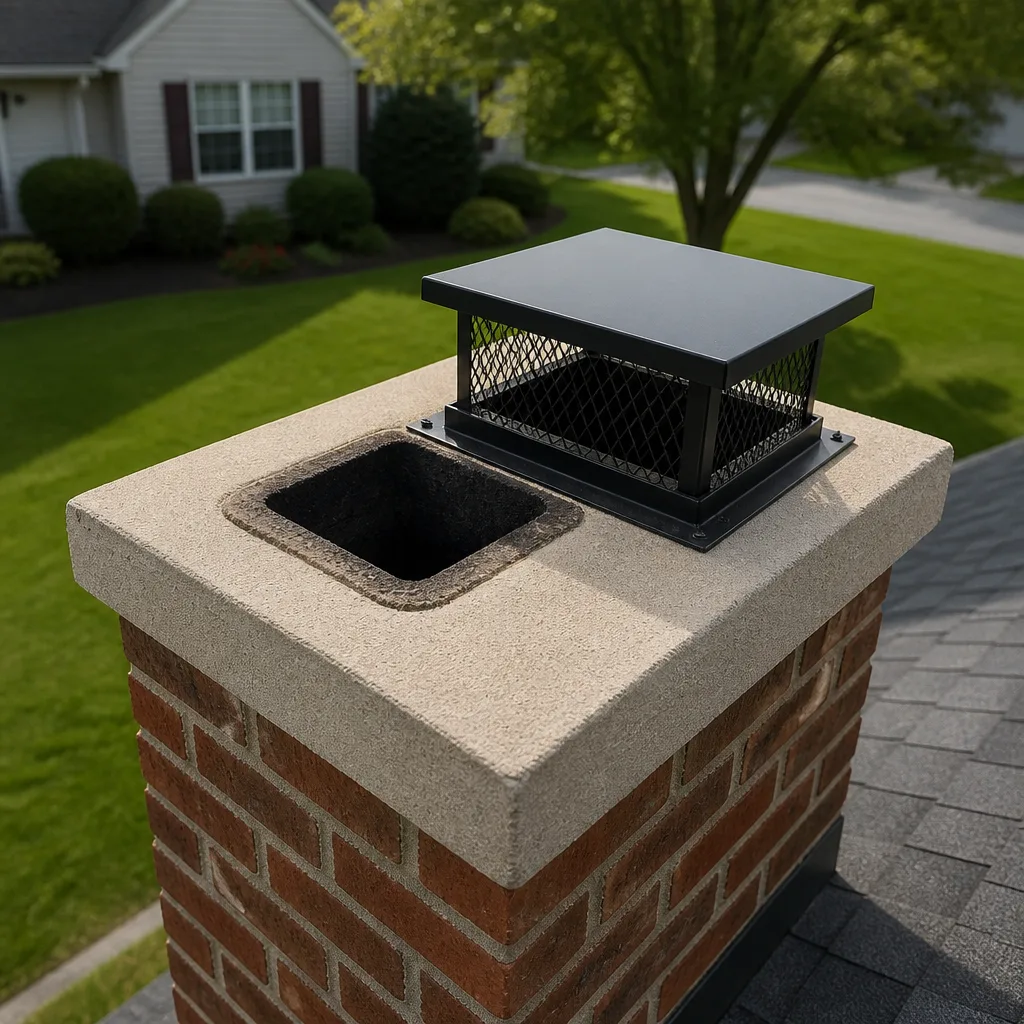
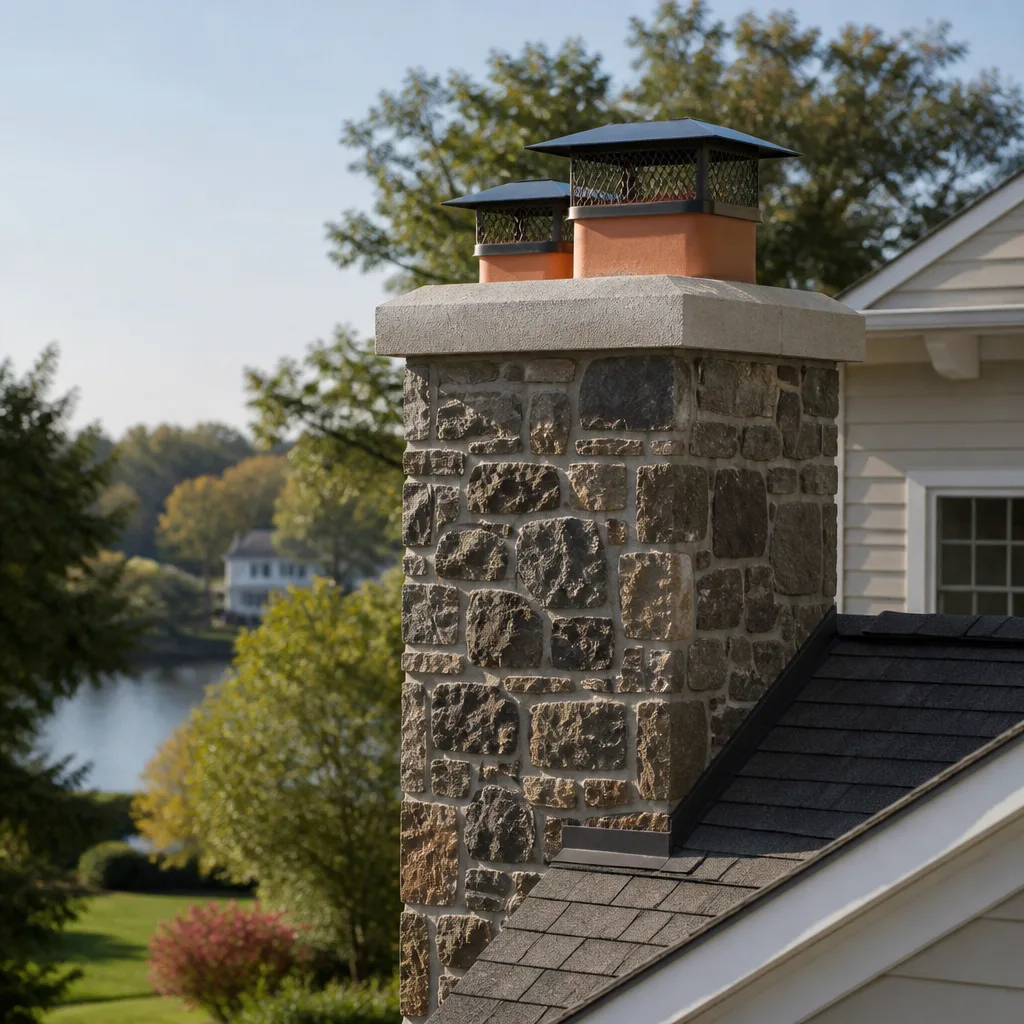
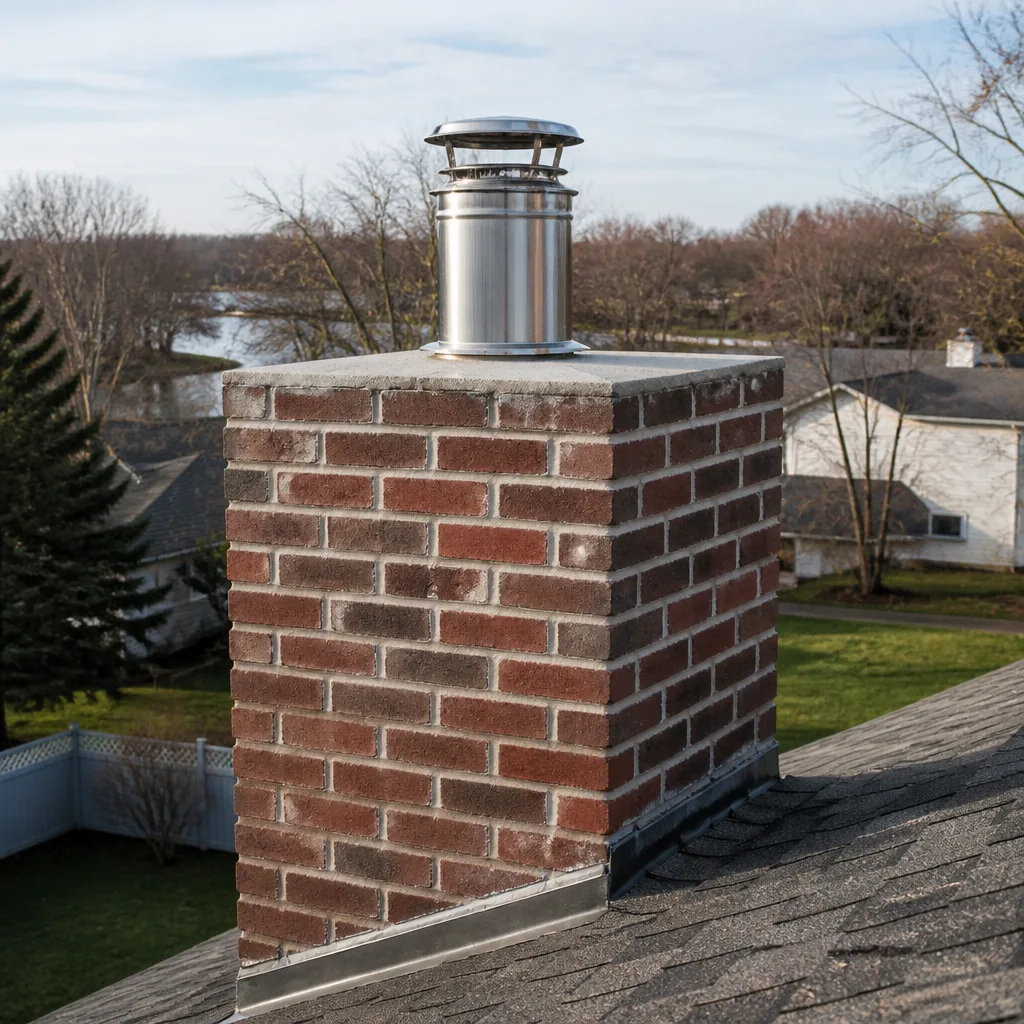
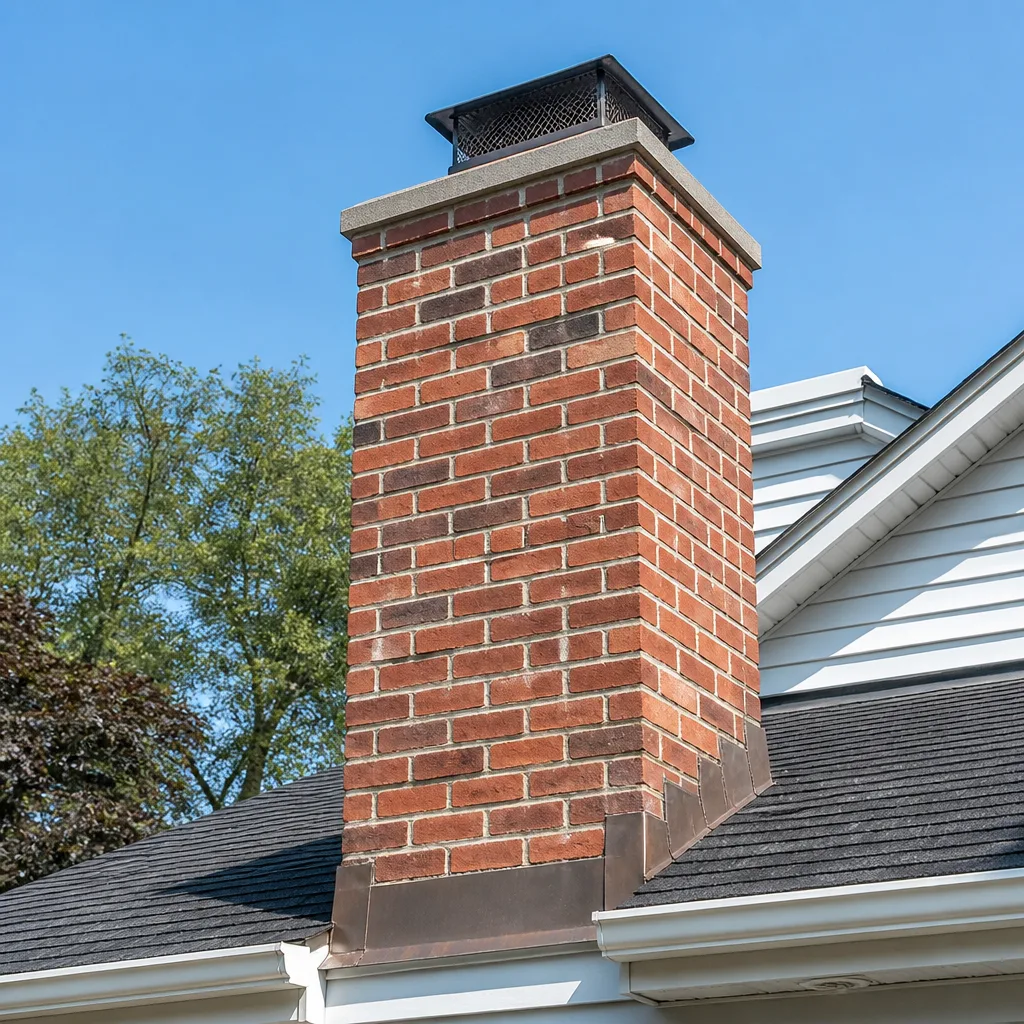
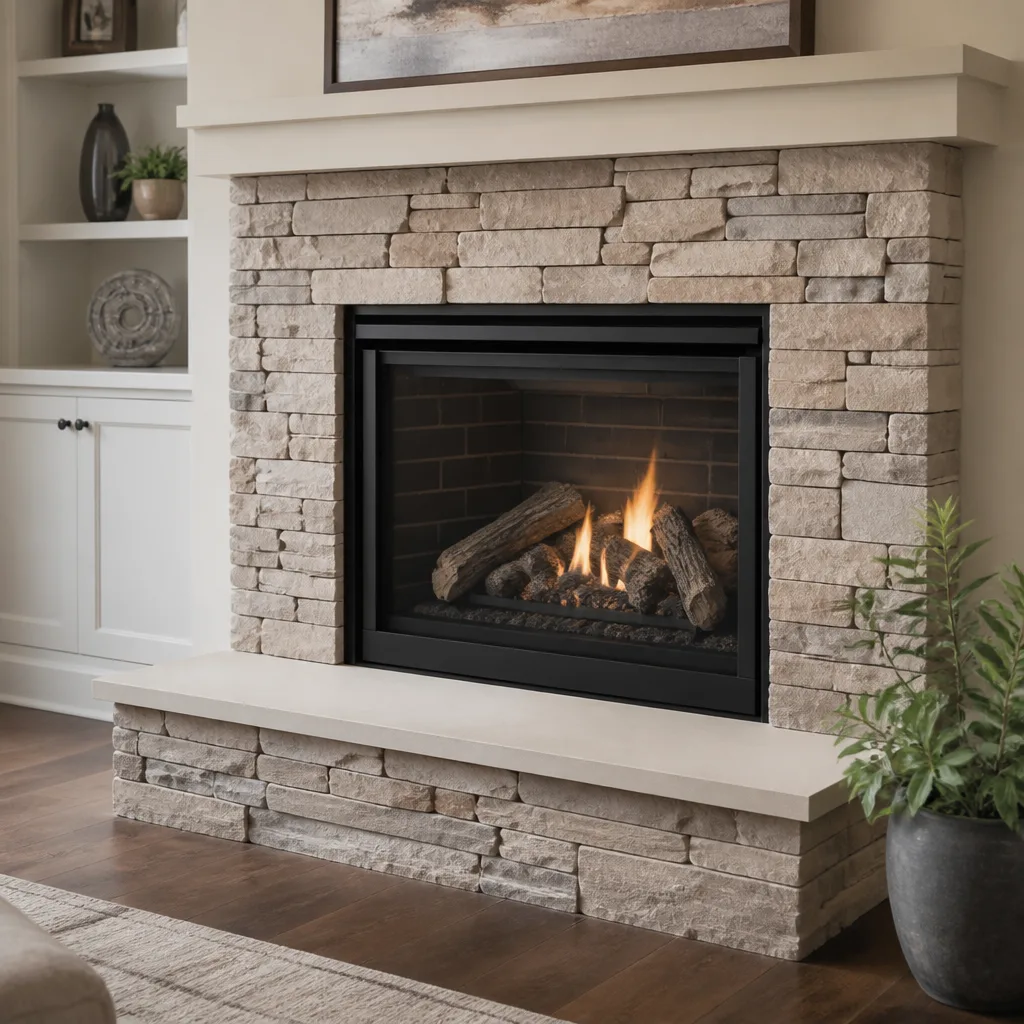
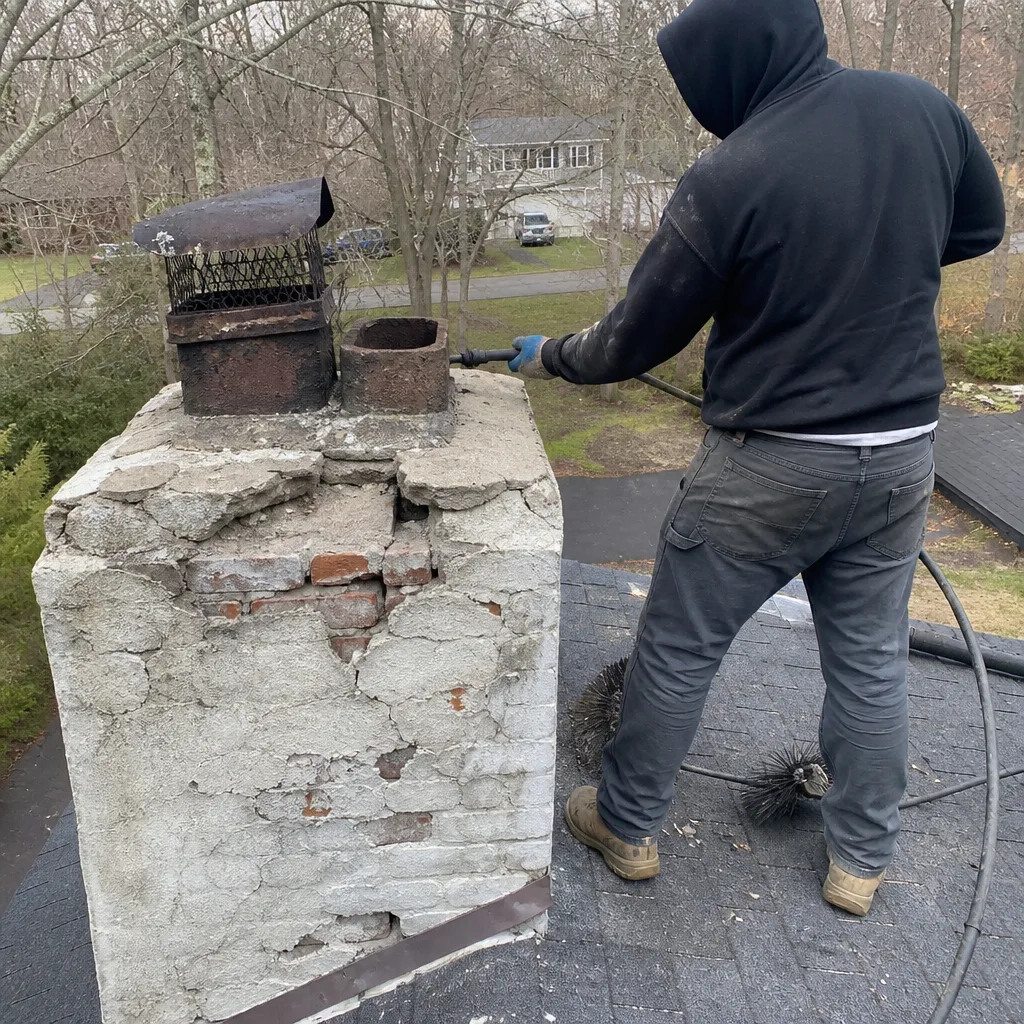 Before
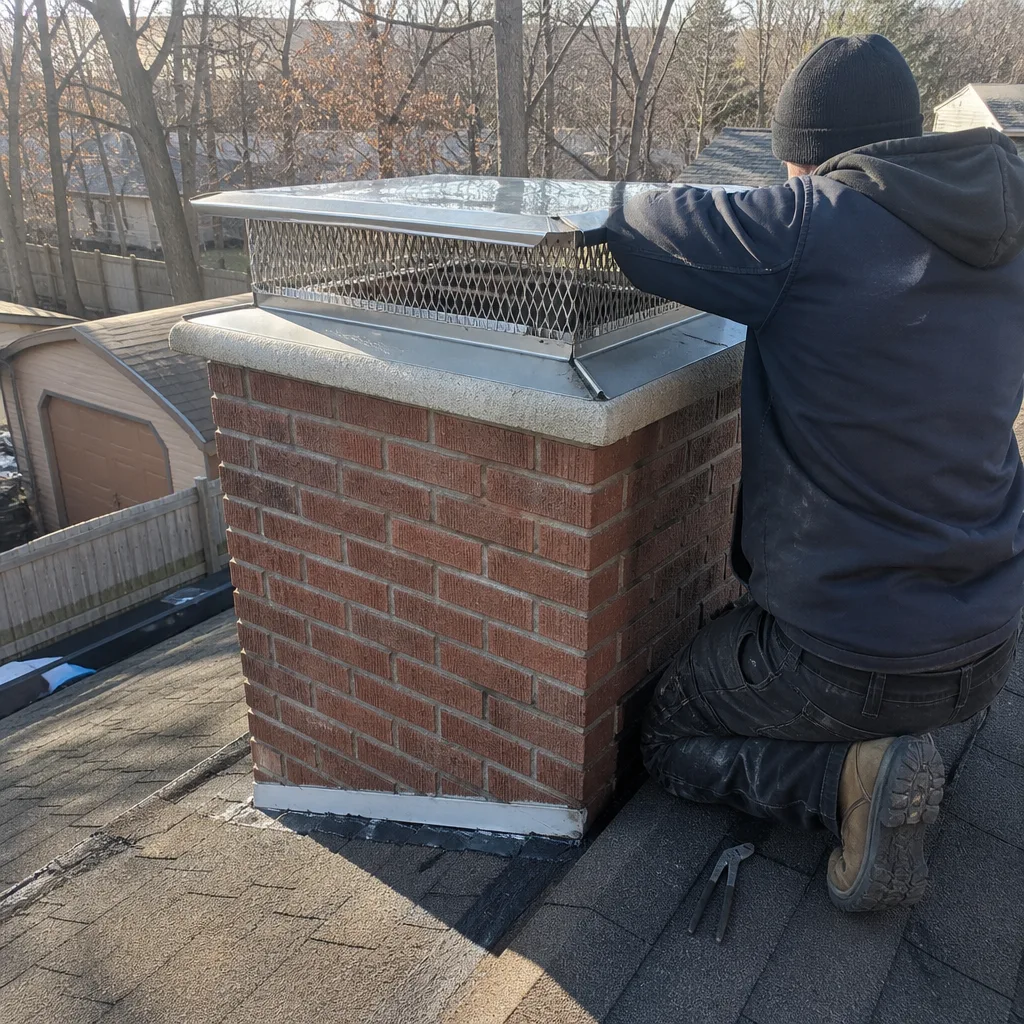 After
After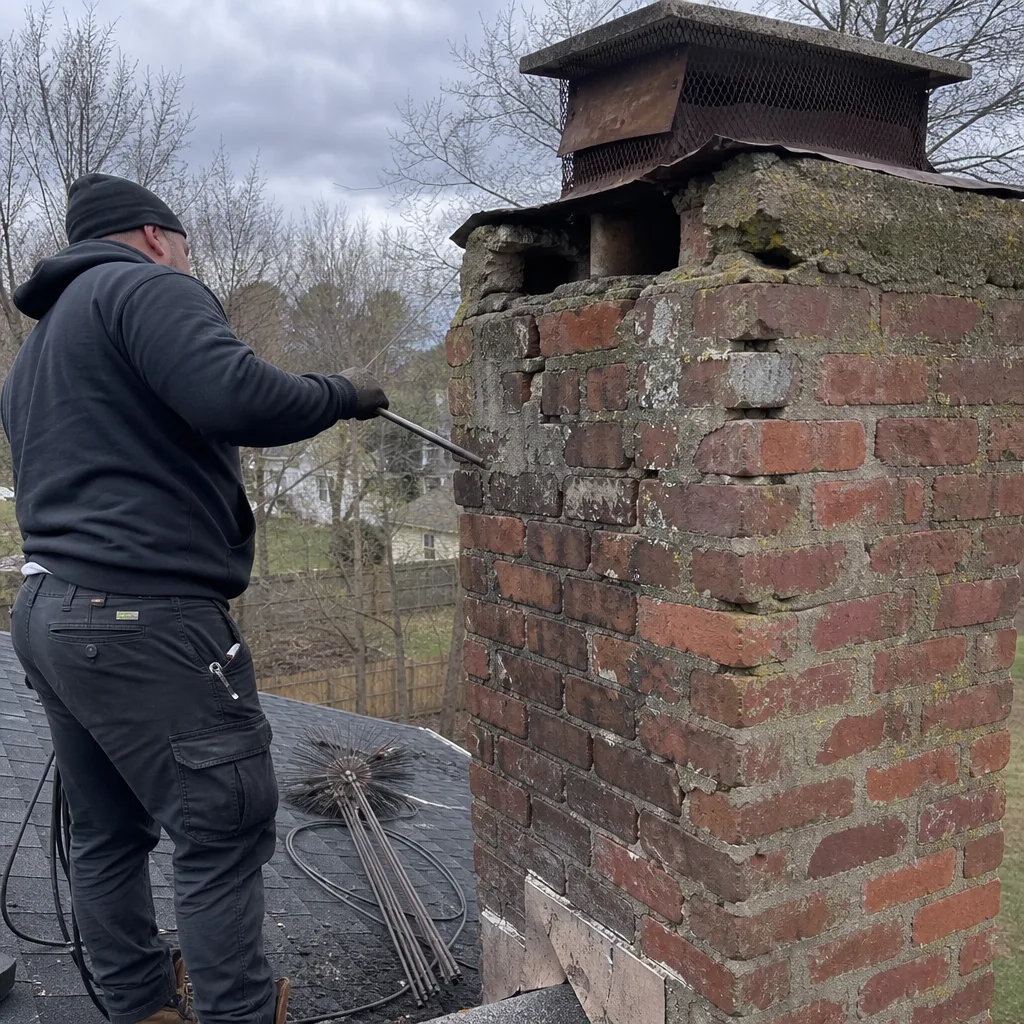 Before
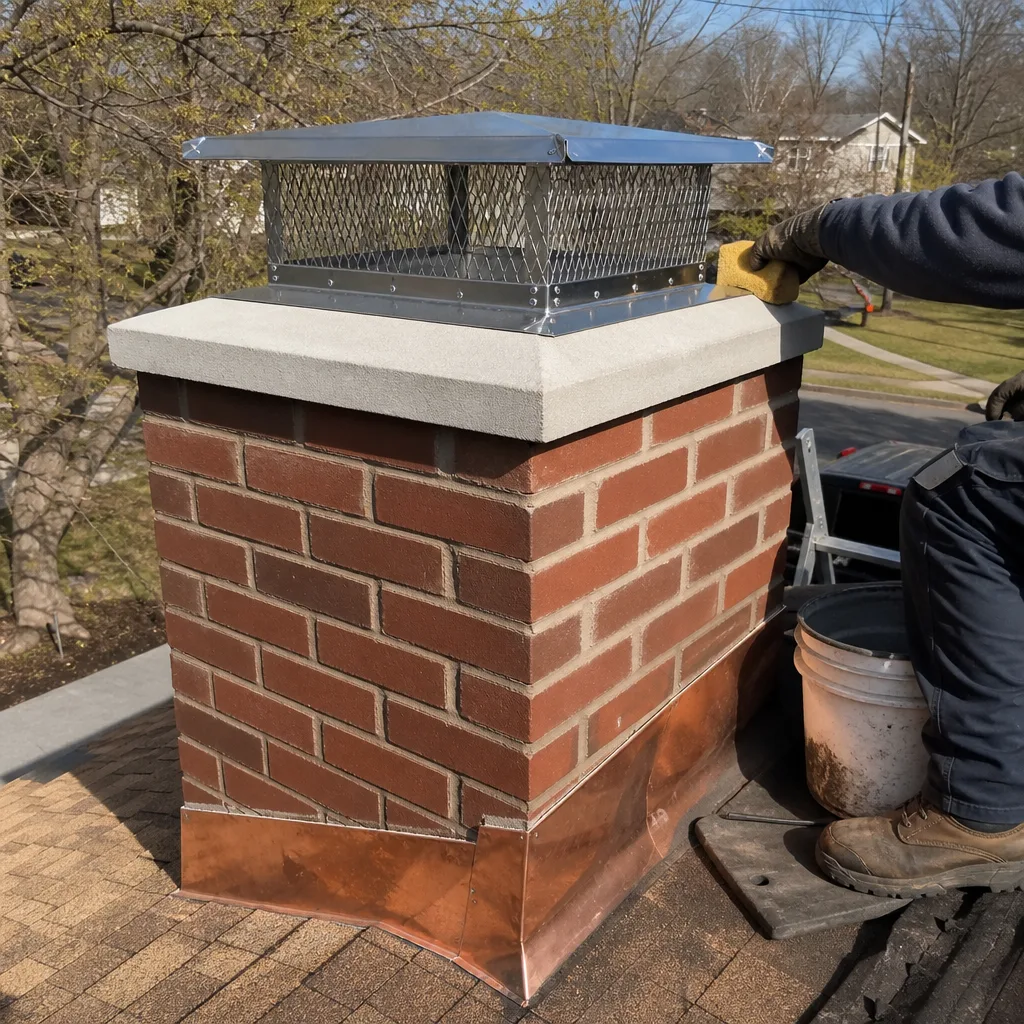 After
After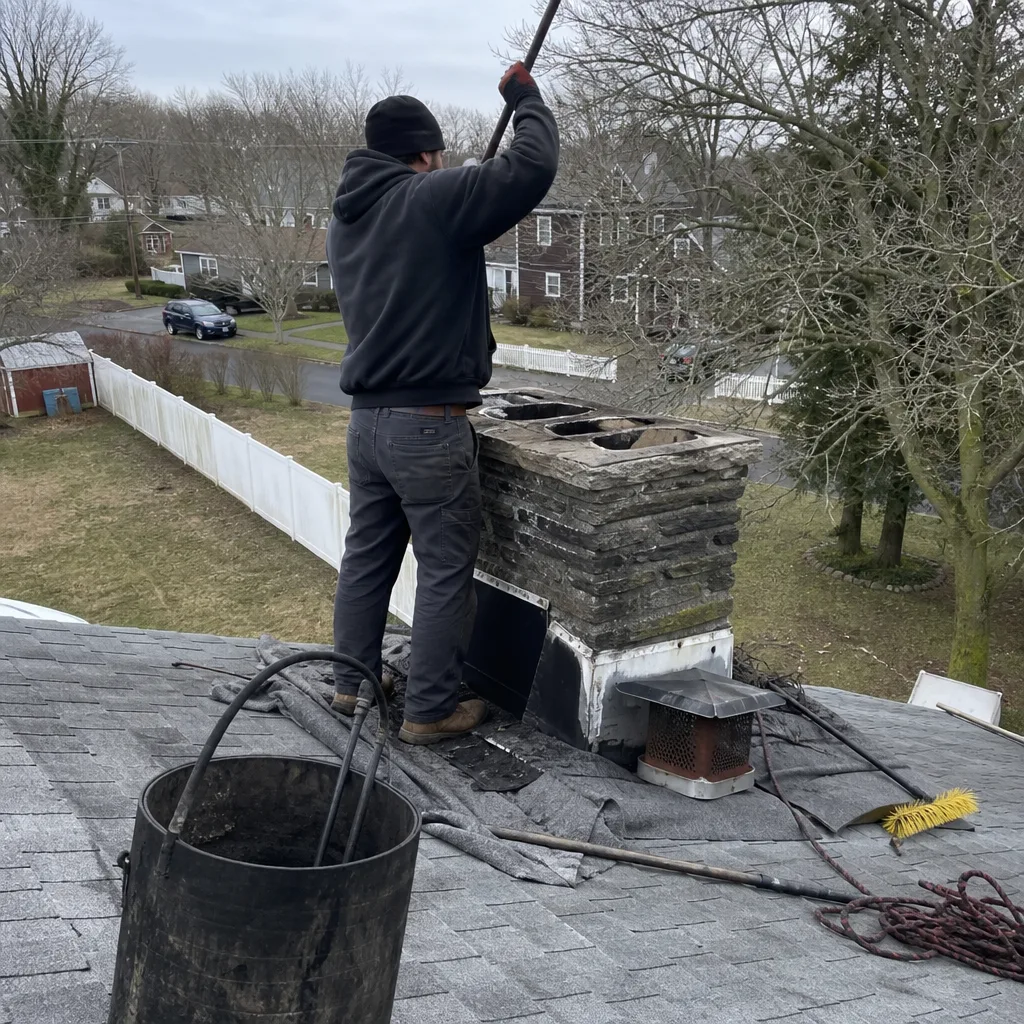 Before
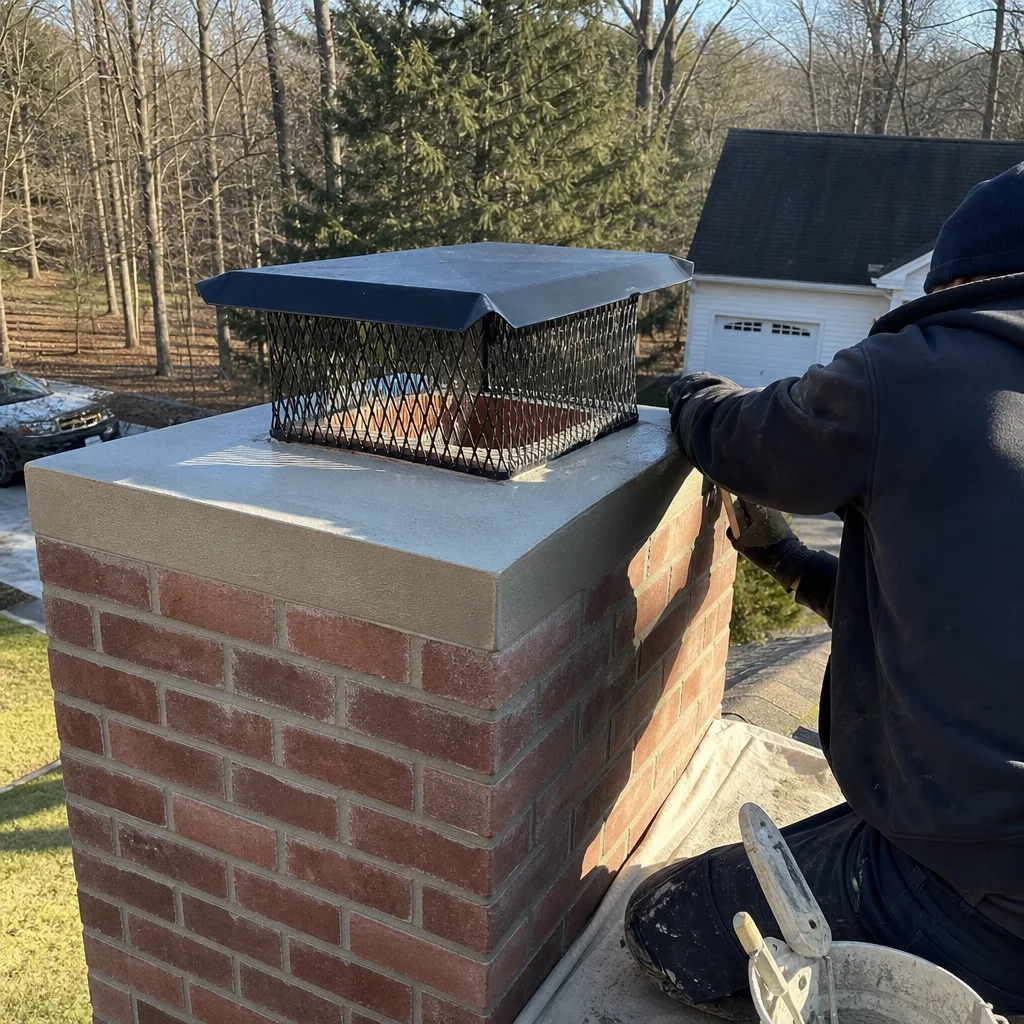 After
AfterChimney Cleaning Cost Breakdown: The Smithtown Homeowner’s Reference for 2026
The $89 chimney cleaning advertised on a Smithtown neighborhood Facebook group and the $299 appointment from an established local company are not the same service priced differently. They are different services described with the same four words. After 42 years in this trade, we’ve learned that most pricing confusion in Suffolk County comes from honest homeowners comparing quotes that were never meant to be compared. This guide breaks down exactly what each dollar pays for, so you can evaluate any quote on equal terms and never pay for surprises you didn’t see coming. For Chimney Cleaning Warning Signs: A Smithtown Homeowner’s Reference Guide, see our companion resource.
Quick Answer
A professional chimney cleaning in Smithtown, New York costs between $180 and $340 for a standard Level 1 sweep with inspection on a single-flue system in 2026. For a complete breakdown of seasonal tasks, see our Chimney Cleaning & Sweep Maintenance Checklist for Smithtown Homeowners. The $89 end of the range typically covers sweep-only service with no camera inspection or written documentation, while quotes above $300 include photo documentation, a written condition report, and often a Level 2 internal camera inspection. Repair work discovered during cleaning, such as liner damage or crown cracking, runs $400 to $2,800 depending on severity.
Table of Contents
- Why Chimney Cleaning Prices Vary So Widely in Smithtown
- Line-Item Breakdown: Where Your Money Actually Goes
- Inspection Levels: What “Includes Inspection” Really Means
- Common Repair Findings After Cleaning (With Realistic Costs)
- The True Cost of Deferring Cleaning: Creosote Math
- How to Evaluate a Quote for Completeness
- Smithtown-Specific Factors That Affect Pricing
- Common Mistakes to Avoid
- When to Call a Professional
- Frequently Asked Questions
Why Chimney Cleaning Prices Vary So Widely in Smithtown
Walk into any Smithtown coffee shop in October and you’ll hear the same conversation. Someone got their chimney done for $89. Someone else paid $325. Both think they got the same service.
They didn’t. Here’s why the spread is so wide, and why it’s almost never dishonesty.
Scope differences explain 80% of price variation. A basic sweep removes loose soot and first-degree creosote from a readily accessible flue. A full-service appointment includes a camera inspection, photo documentation, a written condition report, and often a functional test of the damper and smoke chamber. One takes 45 minutes. The other takes two to two and a half hours. The tools differ too: a basic sweep uses brushes and rods, while a documented inspection requires a chimney camera system, digital imaging equipment, and software to generate the report.
Business model differences explain the rest. The $89 operator is often a one-truck outfit with no office overhead, no insurance rider for chimney work specifically, and no warranty infrastructure. The $300 operator carries general liability and workers’ compensation, maintains camera equipment, trains technicians on NFPA 211 standards, and backs the work with a written guarantee. Both can be honest. Both are selling genuinely different products.
In Smithtown specifically, we’ve noticed another factor: seasonal demand compression. Suffolk County has a concentrated burning season from mid-October through March. Companies that don’t book steady work year-round often slash prices in September to fill the calendar, then raise them in January when they’re overbooked. A quote in September and a quote in February can differ by 40% for identical scope from the same company.
Geography matters too. Smithtown’s older neighborhoods, particularly around the historic district near Main Street and the waterfront properties along the Nissequogue River, often have unlined chimneys or terra-cotta flue tiles dating to the 1960s. These systems require more time and gentler technique. A sweep that takes 45 minutes on a 1990s ranch in Nesconset can take 90 minutes on a pre-Code home near the Landing.
The key is knowing which version you’re buying. The rest of this guide shows you exactly how to tell.
Line-Item Breakdown: Where Your Money Actually Goes
Any legitimate chimney cleaning quote in the Smithtown market should show you where the money goes. If you see a single round number with no breakdown, that’s your first signal to ask questions.
Here’s what a transparent quote looks like for 2026, with realistic ranges based on our experience across Suffolk County:
| Line Item | Low Range | High Range | What It Covers |
|---|---|---|---|
| Labor (single technician) | $95 | $165 | 1.5 to 2.5 hours of trained sweep labor, including setup and cleanup |
| Equipment & Materials | $25 | $55 | Brushes, rods, HEPA vacuum, drop cloths, protective gear, disposal |
| Inspection Component | $35 | $85 | Visual or camera inspection of flue interior, smoke chamber, damper, firebox |
| Documentation | $15 | $35 | Digital photos, written condition report, NFPA 211 compliance documentation |
| Total Standard Cleaning | $170 | $340 | Single-flue system, accessible roof, normal creosote accumulation |
Some notes on this breakdown:
- Labor rates in Suffolk County run $65 to $95 per hour for trained chimney technicians in 2026. A proper job cannot be rushed. We’ve seen competitors send one technician to do two appointments in an afternoon by skipping the inspection entirely. You don’t want that.
- Equipment costs include replacement and maintenance. A professional-grade chimney camera system costs $4,000 to $8,000 and requires annual calibration. HEPA vacuums for soot containment run $1,200 to $2,500. These aren’t one-time purchases; they’re ongoing costs that honest companies recover across jobs.
- The inspection component is where most low quotes cut corners. A true Level 1 inspection per NFPA 211 requires examining “readily accessible” portions of the chimney exterior and interior. A Level 2 requires camera inspection of the flue interior. Know which you’re getting.
- Documentation protects you. A written report with photos becomes evidence if you later need to dispute insurance coverage, prove maintenance for a home sale, or establish that a defect existed before a chimney fire. We’ve had Smithtown homeowners use our reports successfully in both insurance claims and real estate transactions.
Multi-flue systems add $60 to $120 per additional flue, depending on accessibility. A typical Smithtown colonial with a basement fireplace and a first-floor fireplace sharing one chimney structure counts as two flues. We’ve also encountered homes in the Kings Park border area with three flues: basement wood stove, first-floor fireplace, and a retired coal flue now serving as a vent. Each requires separate attention.
Height and access matter. A single-story ranch with a walkable roof is straightforward. A three-story Victorian on Main Street with a 35-foot chimney, steep pitch, and slate roofing requires additional safety equipment and time. Expect $75 to $150 in additional labor for complex access situations.
Inspection Levels: What “Includes Inspection” Really Means
The phrase “includes inspection” on a chimney cleaning quote is nearly meaningless without specifics. The National Fire Protection Association defines three inspection levels in NFPA 211, and most homeowners have no idea which one they’re buying.
Here’s how to tell:
- Level 1 Inspection: Visual examination of readily accessible portions of the chimney exterior, interior, and connecting appliances. No tools required beyond a flashlight and mirror. Appropriate when no changes have been made to the system and you’re continuing with the same use. Takes 15 to 20 minutes. Often bundled into basic sweep pricing at $89 to $149.
- Level 2 Inspection: Everything in Level 1, plus camera inspection of the flue interior, examination of the attic and crawl space where accessible, and inspection of the chimney exterior from roof level. Required when selling a property, after a chimney fire or weather event, or when changing appliance type. Takes 45 minutes to 75 minutes. Typically adds $85 to $165 to the base sweep price.
- Level 3 Inspection: Demolition or removal of components to access concealed areas. Rarely needed for routine maintenance. Triggered by suspected hidden hazards that cannot be evaluated otherwise. Priced individually after Level 2 findings.
In Smithtown, we recommend Level 2 inspection for any homeowner who has not had documented camera inspection within the past five years, particularly in homes built before 1980. The reason is straightforward: terra-cotta flue tiles, common in Suffolk County construction through the 1970s, deteriorate from the inside. External visual inspection cannot detect vertical cracking, spalling, or gaps between tile sections. Only a camera reveals these conditions.
We’ve found significant hidden damage in approximately 30% of first-time Smithtown clients who believed their chimney was “fine” because it looked okay from the firebox. In the St. James area near Lake Avenue, we documented a flue with complete tile separation hidden behind a thin soot layer. The homeowner had burned cordwood for twelve years with a visible gap running the full flue length. No fire had occurred, but the statistical risk was severe.
Photo documentation and written reports are not automatic. Some companies perform Level 2 inspection but provide only verbal findings. We consider this unacceptable. Our standard at Hearthstone Chimney Co. home includes digital photos of the full flue run, the smoke chamber, the damper assembly, and the firebox floor, delivered with a plain-English report within 24 hours. If a company cannot show you photos, they cannot prove what they found.
Ask these specific questions when comparing quotes:
- Is the inspection Level 1 or Level 2?
- Will I receive photos of the flue interior?
- Will I receive a written report, and in what format?
- Is the inspection documentation included in the quoted price or billed separately?
The answers separate a sweep from a documented evaluation. Both have value. They are not the same thing.
Common Repair Findings After Cleaning (With Realistic Costs)
Here’s what experienced chimney professionals know: cleaning is often the beginning of the conversation, not the end. Soot removal reveals what soot concealed. A homeowner prepared for realistic follow-up costs makes better decisions than one surprised by a mid-appointment upsell.
These are the findings we most commonly document in Smithtown homes, with 2026 cost ranges based on Suffolk County market rates:
Flue Liner Damage ($800 - $2,800)
Terra-cotta flue tiles crack from thermal shock, settlement, or age. Stainless steel liners corrode at welded joints. Either condition allows heat and combustion gases to reach combustible framing. In Smithtown’s climate, with freeze-thaw cycles from November through March, water infiltration accelerates liner deterioration.
Partial relining of a single flue with a stainless steel insert, properly sized and insulated, runs $1,200 to $2,200. Full relining with a listed liner system, including removal of damaged terra-cotta, runs $1,800 to $2,800. We specify DuraFlex and Olympia Chimney liner products for their listed performance and warranty backing. A “liner” installed without proper sizing and insulation is not a liner; it’s a hazard.
Crown Cracking or Deterioration ($350 - $1,200)
The concrete crown at the chimney top sheds water away from the flue. Hairline cracks allow water penetration that widens through freeze-thaw cycles. In Smithtown, with coastal moisture exposure and occasional nor’easter wind-driven rain, crown damage progresses faster than in inland climates.
Minor crack sealing with flexible crown coat material runs $350 to $550. Partial crown reconstruction runs $600 to $950. Full crown replacement with proper overhang, drip edge, and reinforcement runs $900 to $1,200. We use Gelco crown formulations for their flexibility and UV resistance.
Damper Failure or Inefficiency ($180 - $650)
Throat dampers corrode, warp, or accumulate creosote that prevents full closure. A damper that won’t close costs you heating dollars daily. A damper that won’t open risks smoke backup into the living space.
Cleaning and adjustment of a salvageable throat damper runs $180 to $280. Installation of a top-sealing damper, which seals at the chimney top and eliminates the throat damper entirely, runs $450 to $650 including the damper unit. We specify Famco and Copperfield damper products for their positive-seal design and long-term serviceability.
Smoke Chamber Parging ($650 - $1,400)
The smoke chamber, the area above the damper and below the flue, should be smooth and parge-coated to encourage laminar flow. Corbelled brick or rough masonry creates turbulence that deposits creosote and reduces draft. NFPA 211 requires smoke chambers to be “parged smooth” but many older Smithtown homes, particularly in the historic district, were built with corbelled construction that was never addressed.
Smoke chamber parging with listed refractory material runs $650 to $1,100 for a standard chamber. Complex geometries or severe deterioration run $900 to $1,400. We use HeatShield smoke chamber restoration systems for their listed performance and ability to conform to irregular surfaces.
Chimney Cap Deficiency ($180 - $450)
Missing, undersized, or deteriorated caps allow water, debris, and animal entry. A proper cap includes mesh sides for ventilation, a lid with proper overhang, and secure mounting that resists wind uplift.
Standard galvanized cap installation runs $180 to $280. Stainless steel or copper cap with lifetime warranty runs $320 to $450. We specify Gelco and Olympia Chimney caps for their gauge thickness and fastening systems.
The critical point: none of these repairs should be sold without photographic evidence. At Chimney Cleaning & Sweep in Smithtown, we show every homeowner the images before discussing options. A crack you can see is a crack you can evaluate. A crack described verbally is a crack you must trust.
The True Cost of Deferring Cleaning: Creosote Math
Chimney cleaning is not a fixed-cost service. The longer you wait, the more it costs. This is not upselling. This is chemistry and labor economics.
Creosote forms in three stages, and each stage requires different removal technique:
| Stage | Appearance | Removal Method | Added Cost vs. Standard Sweep |
|---|---|---|---|
| First-degree | Light, flaky soot | Standard brushes and rods | Baseline - no additional cost |
| Second-degree | Crunchy, tar-like flakes | Mechanical whips, harder brushing, longer labor | $60 to $120 additional |
| Third-degree | Shiny, hardened glaze | Chemical treatment with PCR (Professional Creosote Remover) or similar, multiple applications, possible return visit | $180 to $400 additional |
The progression from first to third degree depends on burning habits, wood moisture content, and frequency of use. But the timeline is shorter than most homeowners assume. A fireplace burned three times weekly with unseasoned cordwood can develop third-degree creosote in a single season. We’ve removed glazed creosote from Smithtown chimneys that were “swept” two years prior by a company that clearly never accessed the flue.
Here’s the math that matters:
- Annual cleaning with first-degree creosote: $180 to $240
- Deferred two years, second-degree removal: $280 to $380
- Deferred three years, third-degree with chemical treatment: $420 to $650
- Plus: heightened fire risk across the deferred period, potential for chimney fire damage requiring liner replacement ($1,800 to $2,800), possible structural repair if fire extends beyond flue
In Smithtown specifically, we’ve observed accelerated creosote accumulation in homes near the Nissequogue River and other low-lying areas where ambient humidity keeps firewood moisture elevated even when “seasoned.” Wood that reads 20% moisture on a meter in Nesconset may read 24% to 26% in waterfront neighborhoods. That difference translates directly to creosote formation rate.
The other hidden cost of deferral: findings accumulation. A small crown crack observed in year one becomes a spalled, leaking crown by year three. A minor liner gap becomes a separated flue tile with displaced fragments. Each finding that could have been addressed early becomes more expensive as damage propagates.
We don’t say this to frighten. We say it because we’ve done the math across thousands of Smithtown-area chimneys, and the pattern is consistent. The cheapest cleaning is the one you do before you need more than a cleaning.
How to Evaluate a Quote for Completeness
A legitimate chimney cleaning estimate contains specific elements. Explore our more guides & resources to protect your investment. A suspiciously low quote is almost always missing one or more of them. Here’s your checklist:
- Clear scope statement. The quote should state exactly what is included: number of flues, level of inspection, documentation type, and any excluded services. “Chimney cleaning - $89” is not a scope statement. “Level 1 sweep and inspection, single flue, includes verbal findings - $89” is.
- Labor and time estimate. How long will the technician be on site? A proper job for a single flue runs 90 minutes to two hours. A 30-minute appointment is not a thorough job.
- Equipment and technique specification. Will HEPA vacuum containment be used? Will the work area be protected with drop cloths? These aren’t luxuries; they’re basic professionalism that protects your home.
- Documentation commitment. What will you receive, in what format, and when? “We’ll tell you what we find” is not documentation. “Digital photos and written report within 24 hours” is.
Red flags that suggest a quote is omitting necessary elements:
- No mention of inspection level or documentation
- No time estimate or unrealistically short time estimate
- Price quoted without seeing the chimney or knowing flue count
- Verbal quote only, with no written follow-up
- Pressure to book immediately without comparison opportunity
- Requirement of full payment before work begins
In Suffolk County, we’ve also encountered a specific variant: the “free inspection” that discovers urgent, expensive problems. There’s nothing wrong with a free inspection if the company has a local reputation to protect and provides documentation you can verify independently. There is something wrong with a free inspection that finds $3,000 of critical repairs in every chimney examined, with no photos and no time for a second opinion.
Our standing offer at Chimney Repair in Smithtown includes a free second opinion on any written estimate. We’ve had Smithtown homeowners bring us competitors’ quotes that recommended full relining for conditions that required only crown sealing. We’ve also seen the opposite: quotes that ignored clear liner separation because the company didn’t perform camera inspection. Photos you can see, a plain-English verdict. That’s the standard.
The Fireplace Services in Smithtown we provide follow the same documentation discipline. Every recommendation is tied to visible evidence. Every estimate is line-itemed. The number on the estimate is the number on the invoice.
Smithtown-Specific Factors That Affect Pricing
Chimney service pricing is not uniform across Long Island. Local conditions in Smithtown and surrounding Suffolk County create specific cost drivers that national averages miss entirely.
Climate and weather exposure. Smithtown’s coastal position exposes chimneys to higher humidity, salt-laden air, and more severe freeze-thaw cycling than inland New York markets. Crown concrete deteriorates faster. Metal components corrode sooner. We’ve replaced stainless steel chimney caps in Smithtown that failed in eight years, where identical caps in Albany lasted fifteen. The difference is environment, not quality.
Housing stock age and variety. Smithtown’s development spans colonial-era construction near the original village center, post-war ranch and cape development in the 1950s and 1960s, and contemporary construction in areas like Bull Run. Each era has characteristic chimney systems: unlined brick in pre-Code homes, terra-cotta tile in mid-century construction, and factory-built metal chimneys in newer development. The appropriate service technique and typical findings differ significantly. A company that treats every chimney the same will miss era-specific issues.
Local fuel and burning patterns. Smithtown has active cordwood markets and established pellet stove distribution. We’ve also seen increased installation of gas log sets in older fireplaces, particularly in neighborhoods where homeowners want ambiance without wood handling. Each fuel type produces different combustion byproducts and requires different inspection emphasis. Gas systems demand corrosive condensation checking; wood systems demand creosote evaluation; pellet systems demand venting-specific inspection.
Permit and code environment. Smithtown Building Department requires permits for chimney liner replacement, structural repair, and new chimney construction. Permit fees run $75 to $200 depending on project scope. A legitimate quote includes permit costs or explicitly notes homeowner responsibility. A quote that ignores permits is planning to ignore permits, which creates liability for the homeowner at sale or insurance claim time.
Neighborhood access and logistics. Driveway pitch, roof accessibility, and proximity to parking affect labor time. Historic district homes on narrow lots may require ladder work from the sidewalk. Waterfront properties may have landscaping that limits equipment access. These aren’t excuses for inflated pricing; they’re real factors that honest companies account for in their estimates.
We’ve served Smithtown long enough to know the difference between Kings Park and Nesconset, between St. James and the Village of the Branch. That local knowledge translates to accurate quotes and efficient work. A technician who has worked on your neighbor’s chimney recognizes your chimney type before climbing the ladder.
Common Mistakes to Avoid
- Comparing single-number quotes without scope verification. The $89 quote and the $299 quote are not competing offers for the same service until you’ve confirmed identical scope. Ask the four line-item questions. Get it in writing.
- Assuming annual cleaning isn’t necessary with light use. Even occasional fires produce creosote. Annual inspection is the NFPA 211 recommendation regardless of use frequency. In Smithtown’s humid climate, we’ve found significant deterioration in chimneys used fewer than ten times yearly.
- Accepting verbal findings without photo documentation. A crack described over the phone is not evidence. A crack photographed and delivered in a report is. Documentation protects you in disputes, insurance claims, and real estate transactions.
- Deferring cleaning until “burning season” begins. October scheduling in Suffolk County is compressed and competitive. Companies with capacity constraints raise prices or extend lead times. September appointment availability is better, and pre-season pricing is often more favorable. The chimney doesn’t know what month it is.
- Hiring based on lowest price for complex systems. A factory-built metal chimney, an insert installation, or a multi-flue system with shared structure requires specific expertise. The lowest bidder may lack training on your system type. Verify experience with your specific chimney configuration.
- Ignoring the inspection component to save money. A sweep without inspection is cosmetic. The hidden conditions that create fire and carbon monoxide hazards remain hidden. The inspection is not an upsell; it’s the purpose of the visit.
- Failing to verify insurance and licensing. Suffolk County requires home improvement contractor registration for chimney work exceeding $200. New York State requires workers’ compensation for employees. General liability insurance should specifically include chimney and fireplace work, not just general construction. Ask for certificates. Professional companies provide them without hesitation.
When to Call a Professional
Certain conditions require immediate professional evaluation, not scheduled maintenance. Call a qualified chimney professional if you observe any of the following:
- Smoke entering the living space during fireplace use
- Visible cracks in the firebox brick or refractory panels
- Water stains on ceiling or walls adjacent to the chimney
- Strong odor from the fireplace during humid weather
- Debris or animal nesting material visible in the flue
- Spalling brick or deteriorated mortar on the chimney exterior
- Any indication of previous chimney fire (puffy creosote, distorted metal components, heat damage to surrounding structure)
Carbon monoxide is the silent risk. A blocked or damaged flue can allow odorless, colorless gas to enter living spaces. Symptoms of exposure include headache, dizziness, nausea, and confusion. If you suspect carbon monoxide intrusion, evacuate the home and call emergency services before calling a chimney professional.
For routine maintenance, annual inspection and cleaning as needed is the standard. For Smithtown homeowners with active wood-burning fireplaces or stoves, we recommend scheduling before October to secure preferred appointment times and avoid seasonal pricing adjustments.
Hearthstone Chimney Co. offers free estimates in Smithtown. Call (631) 814-2057 to speak with a live person, any hour of any day. We’ll schedule a convenient time, provide a line-itemed quote before any work begins, and document every finding with photos you can see and a plain-English verdict you can understand. Done right - and we stand behind it.
Frequently Asked Questions
A professional chimney sweep in Smithtown costs $180 to $340 for a standard single-flue cleaning with Level 2 camera inspection and written documentation in 2026. Basic sweep-only service without inspection or documentation runs $89 to $149. Multi-flue systems, complex roof access, or heavy creosote accumulation add $60 to $400 depending on specific conditions. Call (631) 814-2057 for an exact quote - estimates are free.
You need a new liner if camera inspection reveals cracked, separated, or missing flue tiles; if the existing liner is corroded stainless steel with perforations; or if you’re changing appliance type and the existing liner is not listed for the new use. Not every chimney needs relining. We’ve inspected Smithtown chimneys where homeowners were quoted $2,500 for relining that camera inspection showed was unnecessary. Photos you can see, a plain-English verdict. If a company recommends relining without showing you camera images, get a second opinion.
The National Fire Protection Association recommends annual inspection for all chimney systems, with cleaning frequency determined by creosote accumulation. Most active wood-burning fireplaces in Smithtown require annual cleaning. Occasional-use gas fireplaces may need inspection only, without sweeping, for several years. Pellet stoves typically require annual cleaning due to fly ash accumulation. The specific interval depends on fuel type, burning habits, and inspection findings. Annual inspection is the non-negotiable baseline.
Skipped cleaning allows creosote to accumulate, increasing fire risk and eventually requiring more expensive removal. First-degree creosote becomes second-degree, then third-degree glazed deposits requiring chemical treatment and multiple visits. Hidden damage progresses: crown cracks widen, liner gaps expand, water intrusion accelerates deterioration. In Smithtown’s coastal climate, we’ve documented chimneys that developed $3,000 in repair needs across three years of deferred maintenance that would have cost $600 in scheduled cleaning and early intervention. The math is straightforward. The risk is real.
A Level 2 inspection includes visual examination of all readily accessible interior and exterior chimney components, plus camera inspection of the flue interior, examination of accessible portions of attics and crawl spaces, and inspection of the chimney exterior from roof level. It produces photo documentation and a written condition report. In Smithtown, we recommend Level 2 inspection for any homeowner without documented camera inspection in the past five years, particularly in pre-1980 construction. The camera reveals what eyes cannot.
A legitimate quote specifies inspection level, time estimate, equipment and technique, and documentation commitment in writing. It references applicable standards (NFPA 211). It includes or explicitly addresses permit requirements. It does not pressure immediate booking. It does not require full prepayment. The company provides proof of insurance and contractor registration without hesitation. If any of these elements is missing, ask why. The answer reveals whether you’re dealing with a professional operation or a price-cutting gamble.
Hearthstone Chimney Co. maintains four standing offers: $50 off any repair over $250, free second opinion on any written estimate, an $89 seasonal tune-up special, and a permanent 5% senior and veteran discount. These are not limited-time promotions; they are our standard pricing structure. We don’t believe in pressure-sale urgency. A square deal should be available when you’re ready for it, not when a countdown timer expires.
The Bottom Line
Chimney cleaning costs in Smithtown range from $89 to $340 and beyond because the services described by those four words differ dramatically in scope, documentation, and protection. The informed homeowner compares quotes on equal terms: same inspection level, same documentation standard, same warranty backing. The cheapest quote is rarely the best value when it omits the inspection that finds the hazard, the documentation that proves the condition, or the guarantee that stands behind the work.
At Hearthstone Chimney Co., we’ve built our practice on showing homeowners exactly what we find, explaining what it means in plain English, and fixing only what needs fixing. No surprises on the bill. No arguments if something isn’t right. Photos you can see, a verdict you can understand. Done right - and we stand behind it with the 90-Day Done Right Promise, in writing, no paperwork required.
We’ve served Suffolk County communities for over 42 years. We plan to be here for 42 more. That long view shapes every appointment we book and every repair we stand behind.
Call (631) 814-2057 for a free estimate. A live person answers, any hour of any day.
Written by Russell Haines, Owner at Hearthstone Chimney Co., serving Smithtown since 2014.