
Last updated September 10, 2026
Level 1 sweep and inspection to the NFPA 211 annual standard - flue, crown, cap, and flashing checked and photographed
Chimney sweep logs do not sweep chimneys. They loosen some creosote - which then falls where a brush and vacuum still have to collect it.
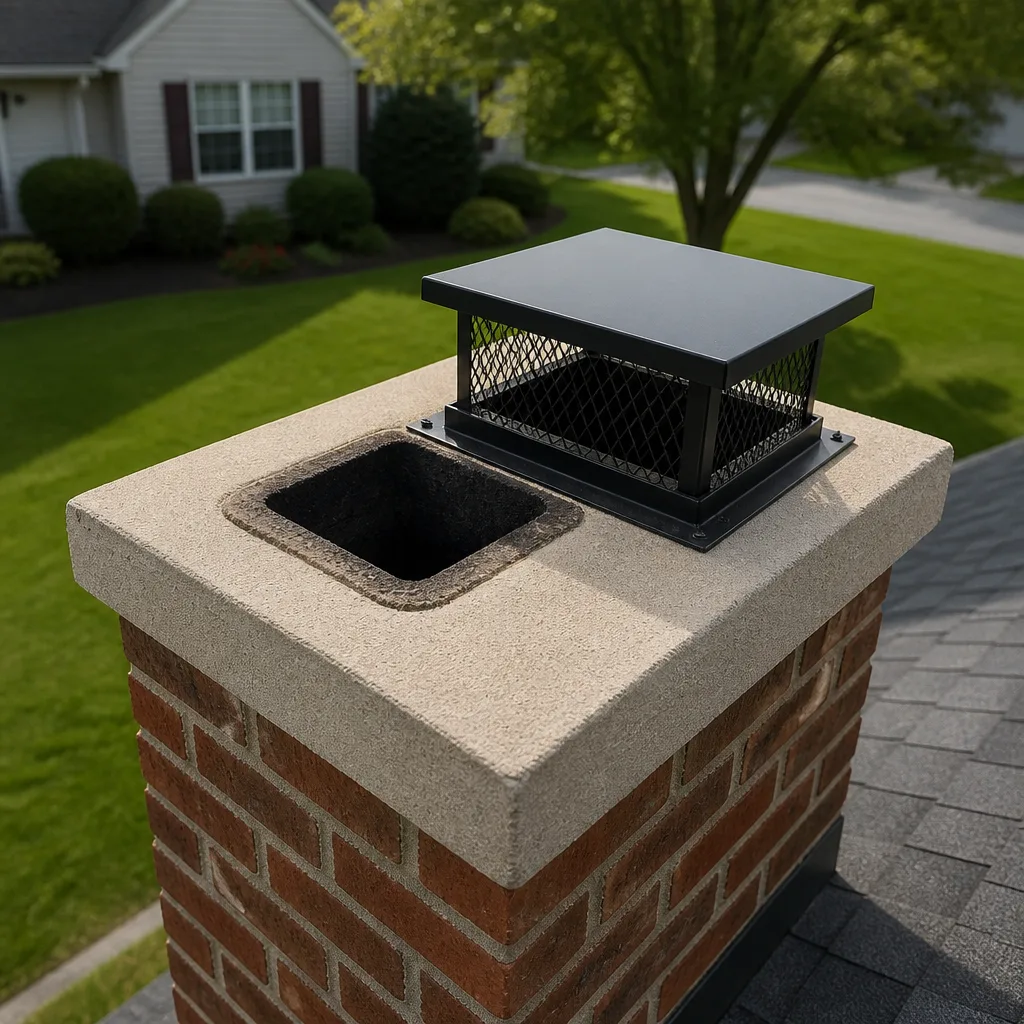
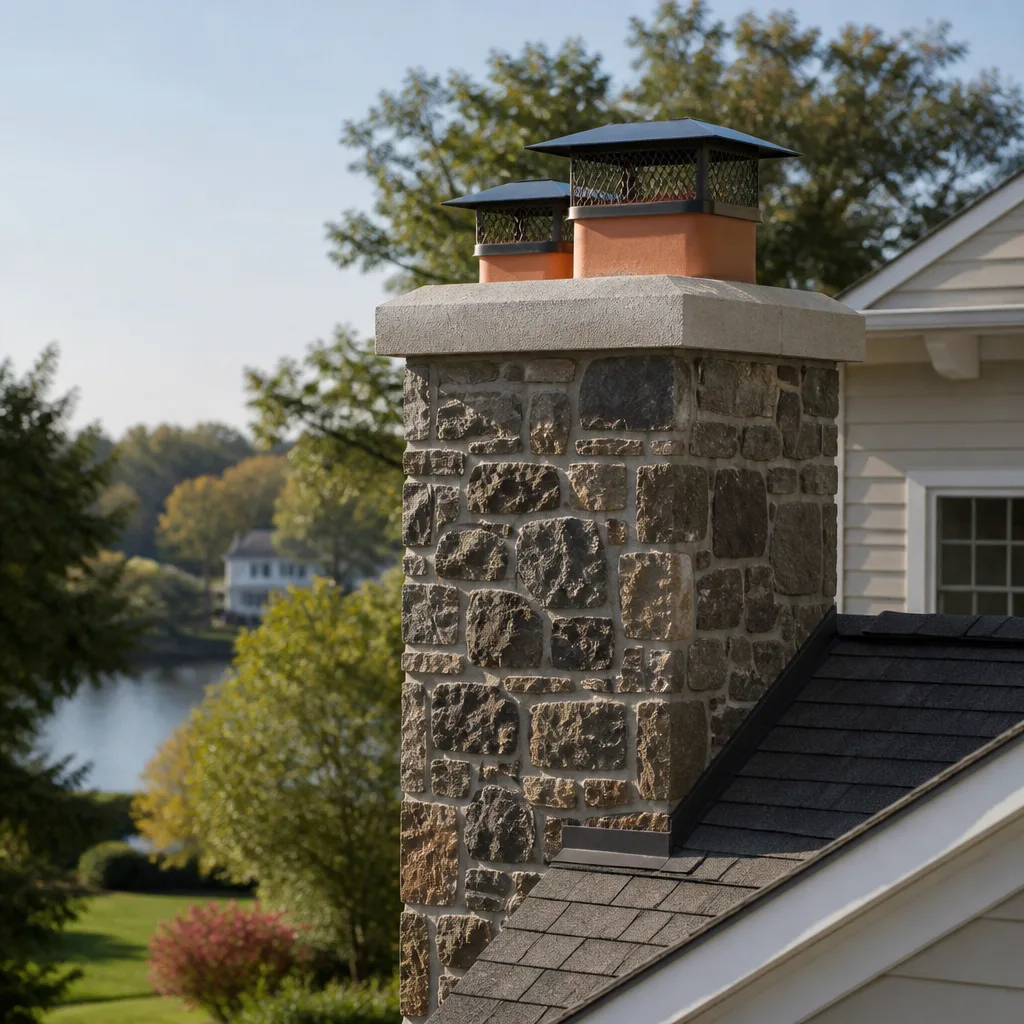
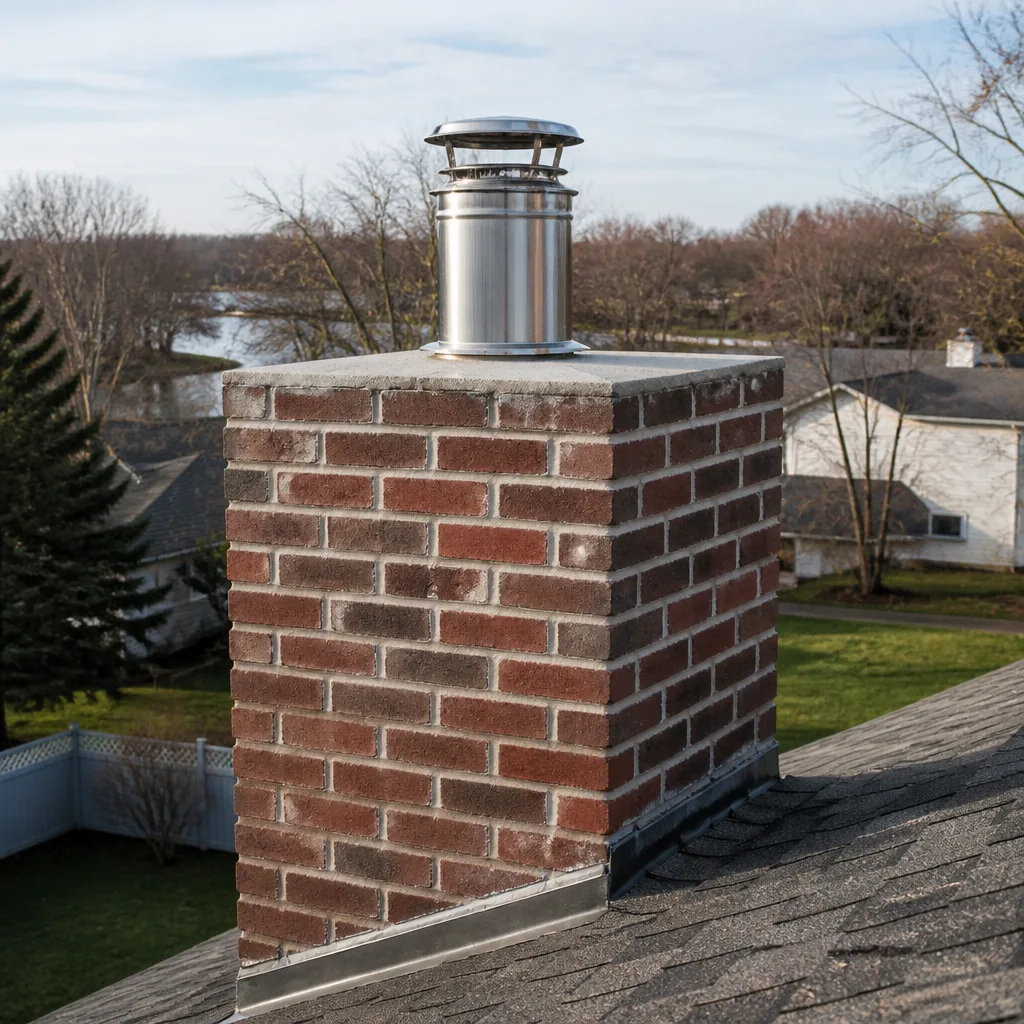
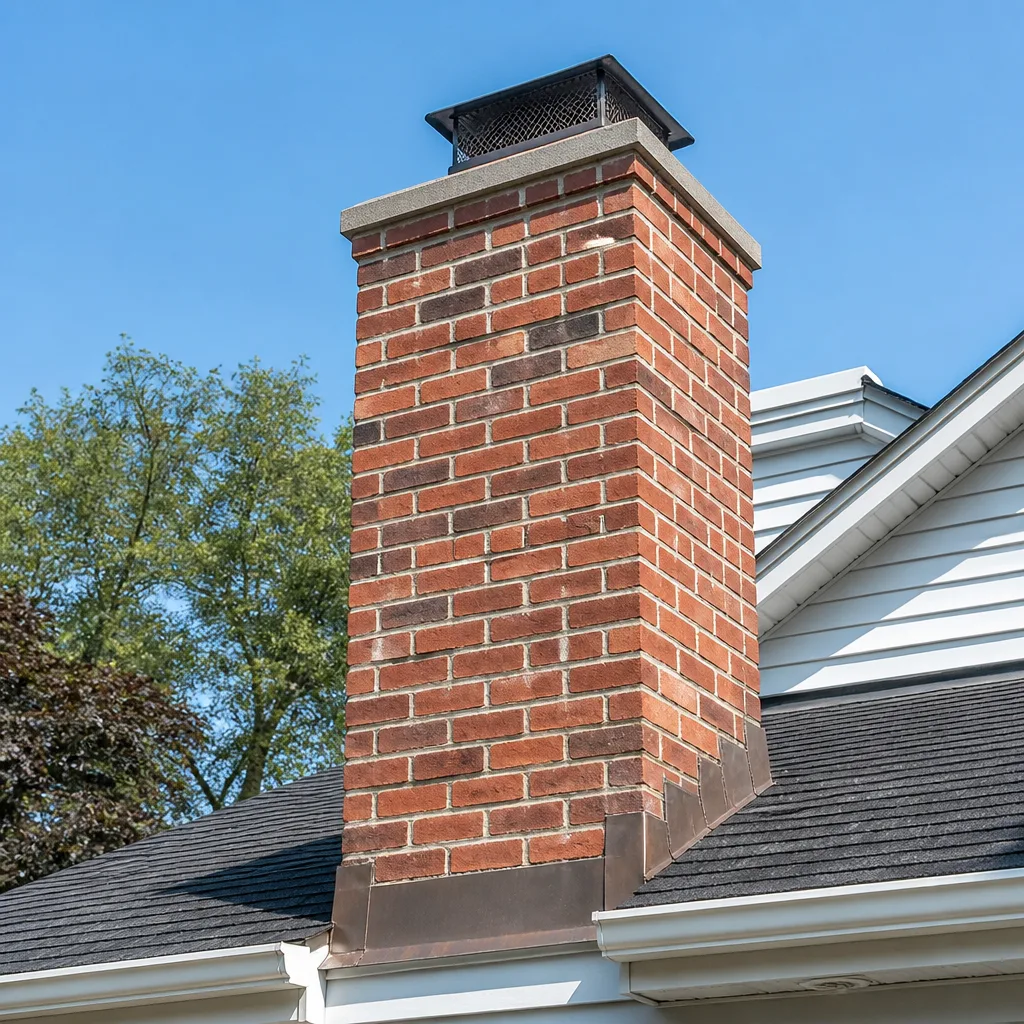
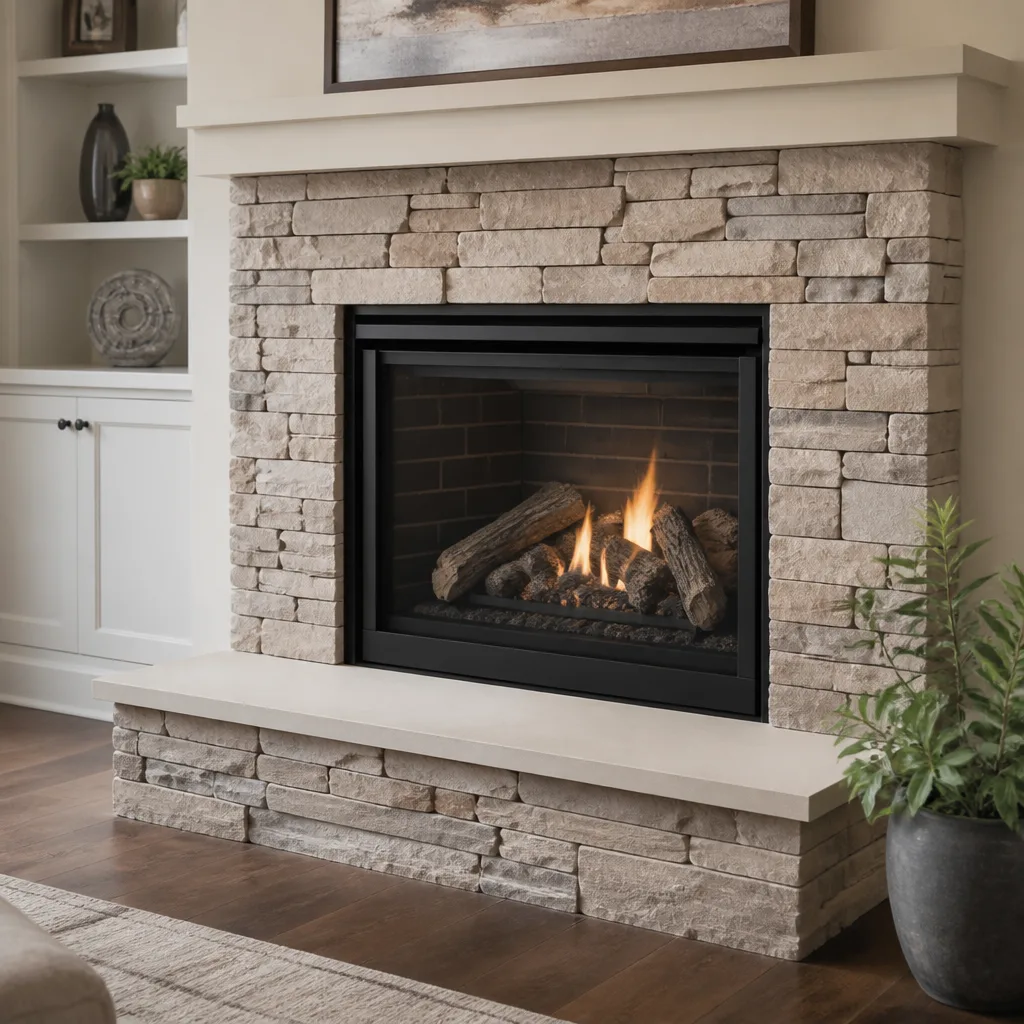
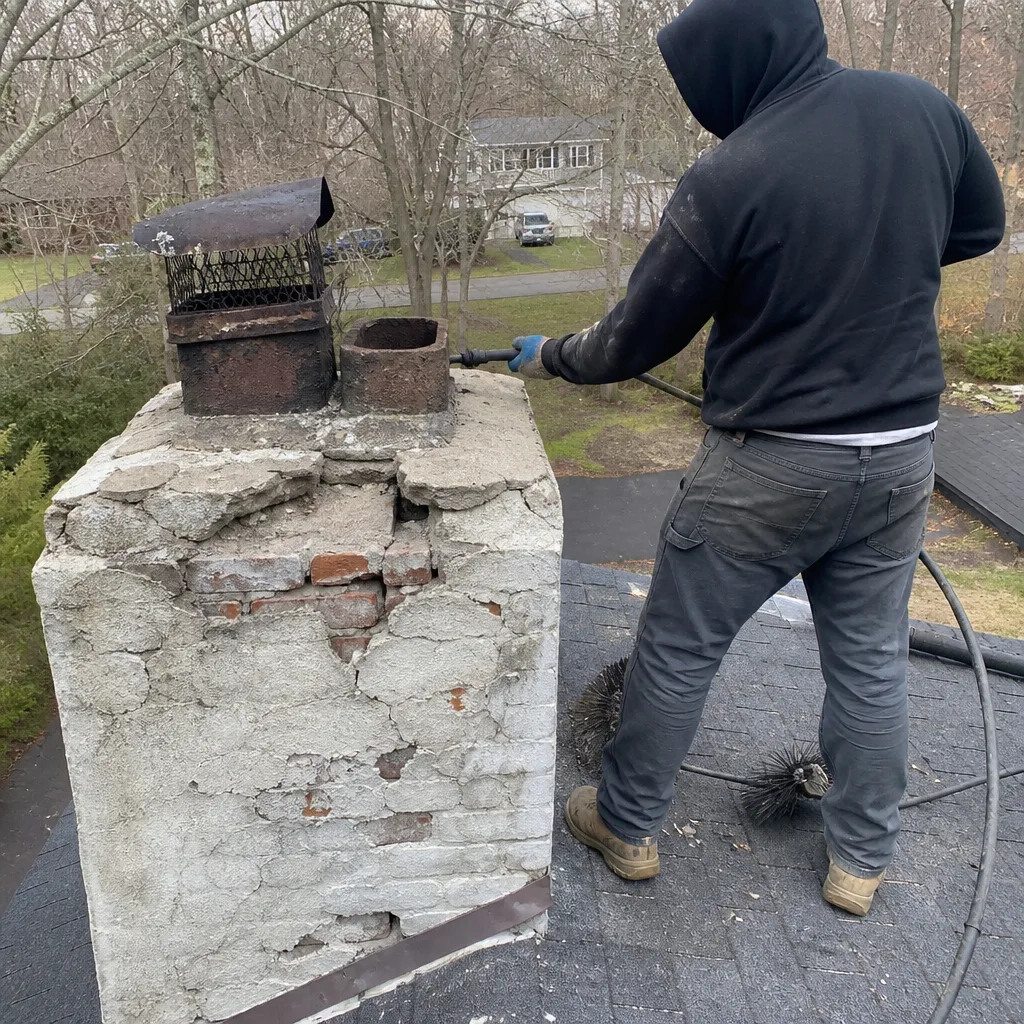 Before
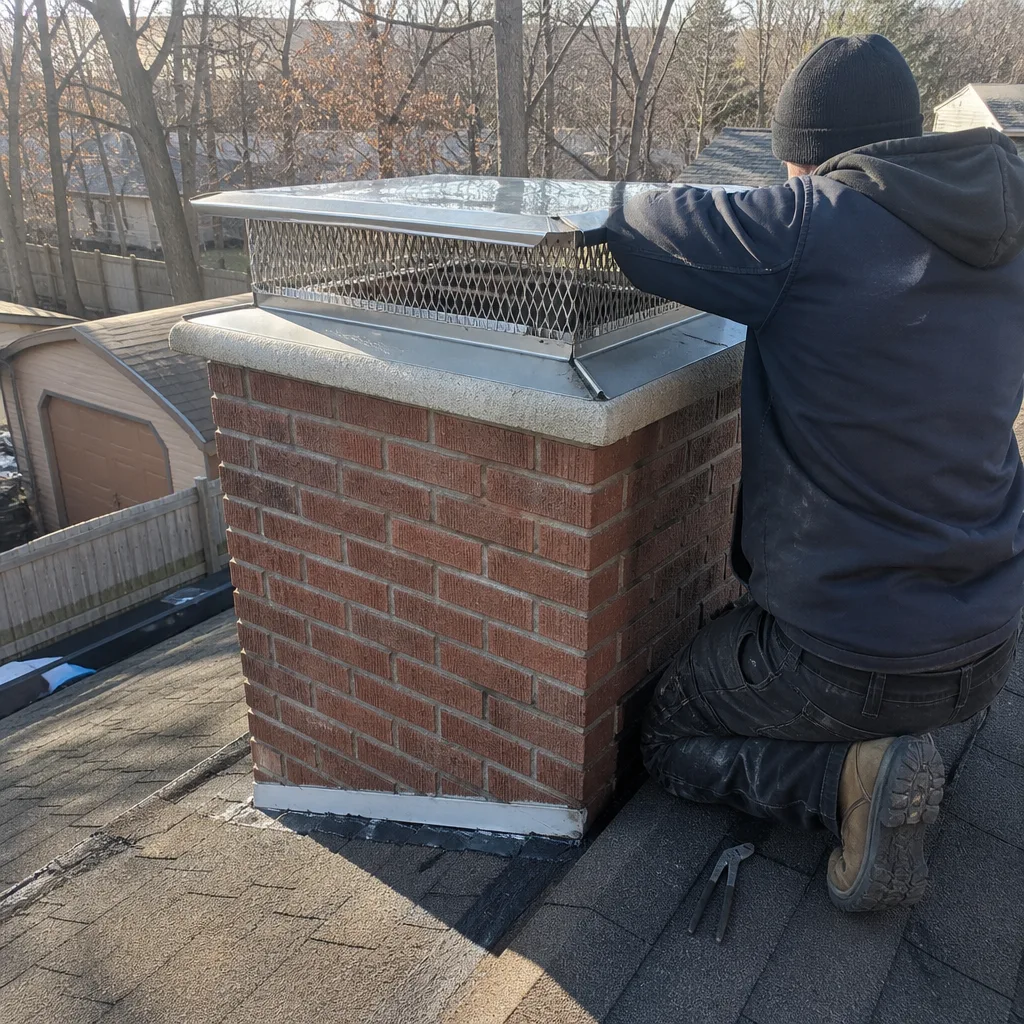 After
After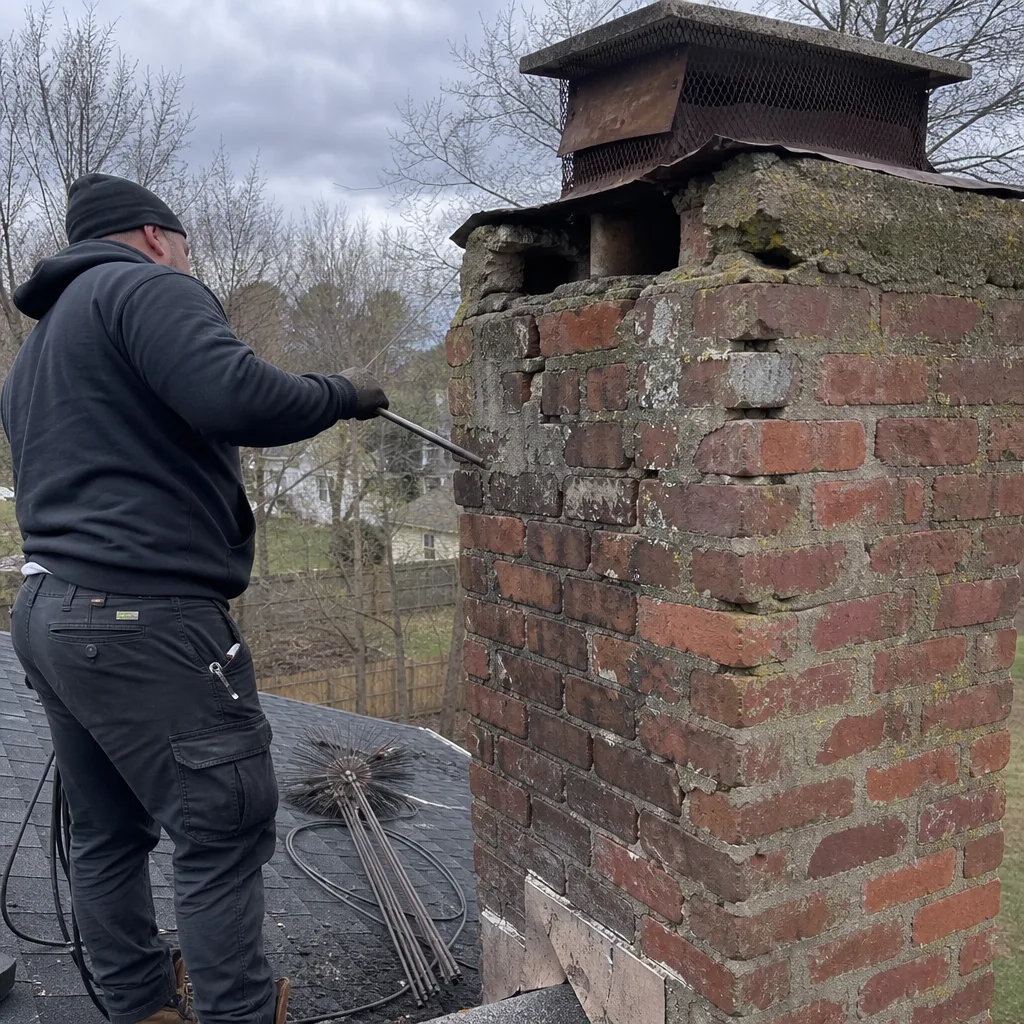 Before
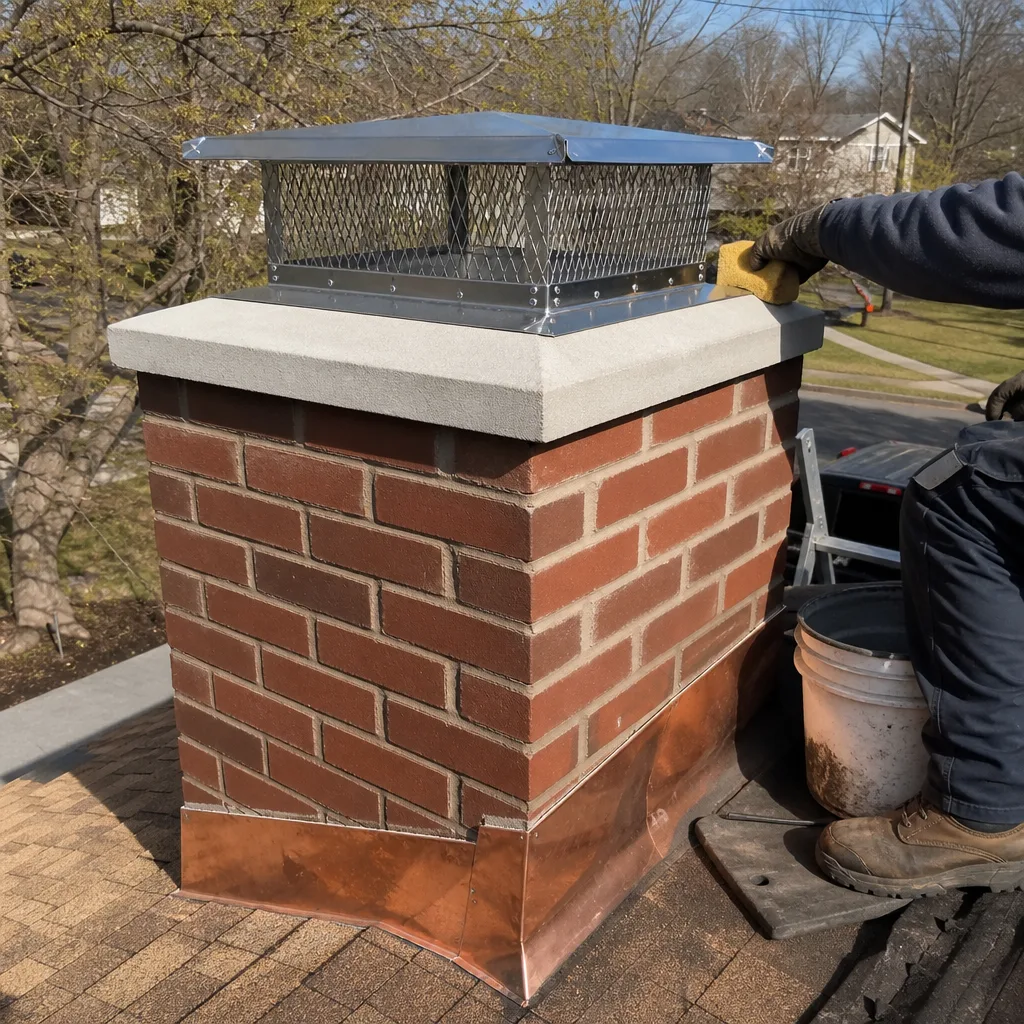 After
After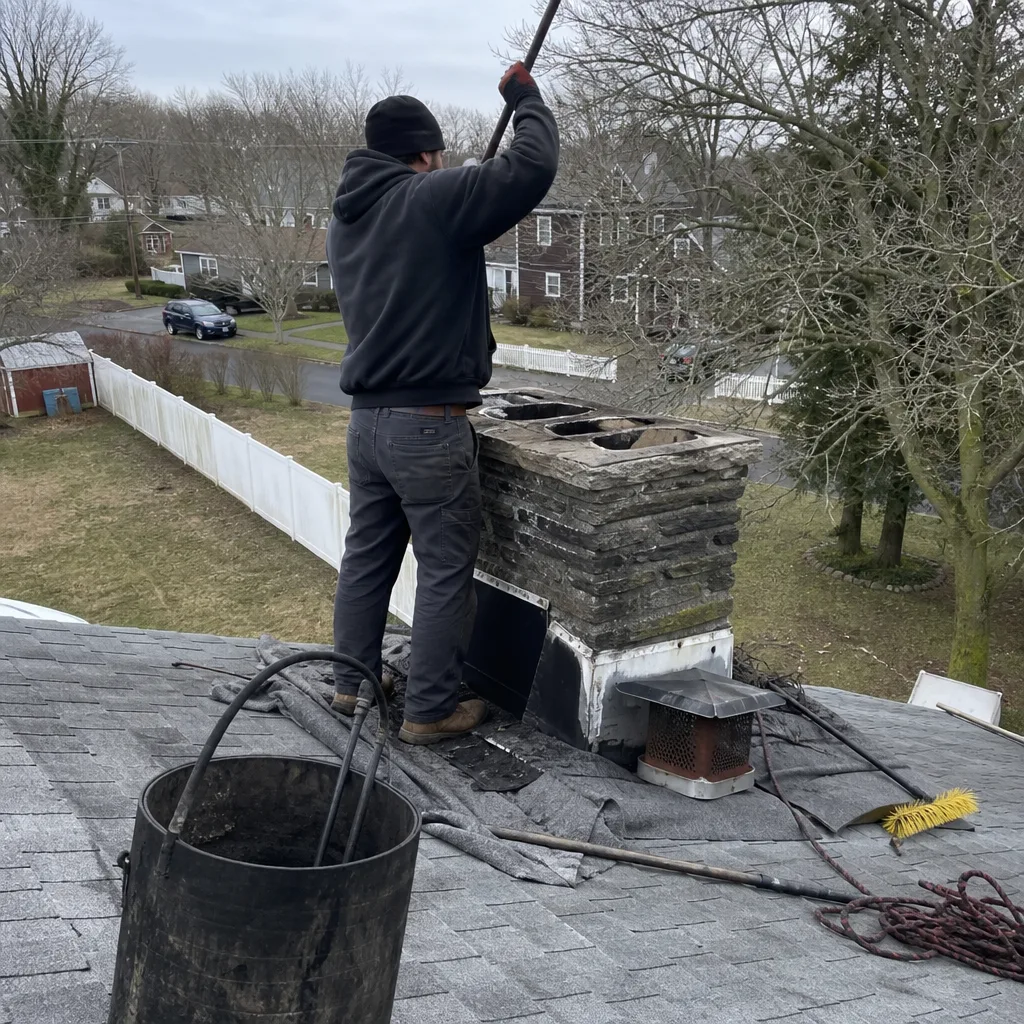 Before
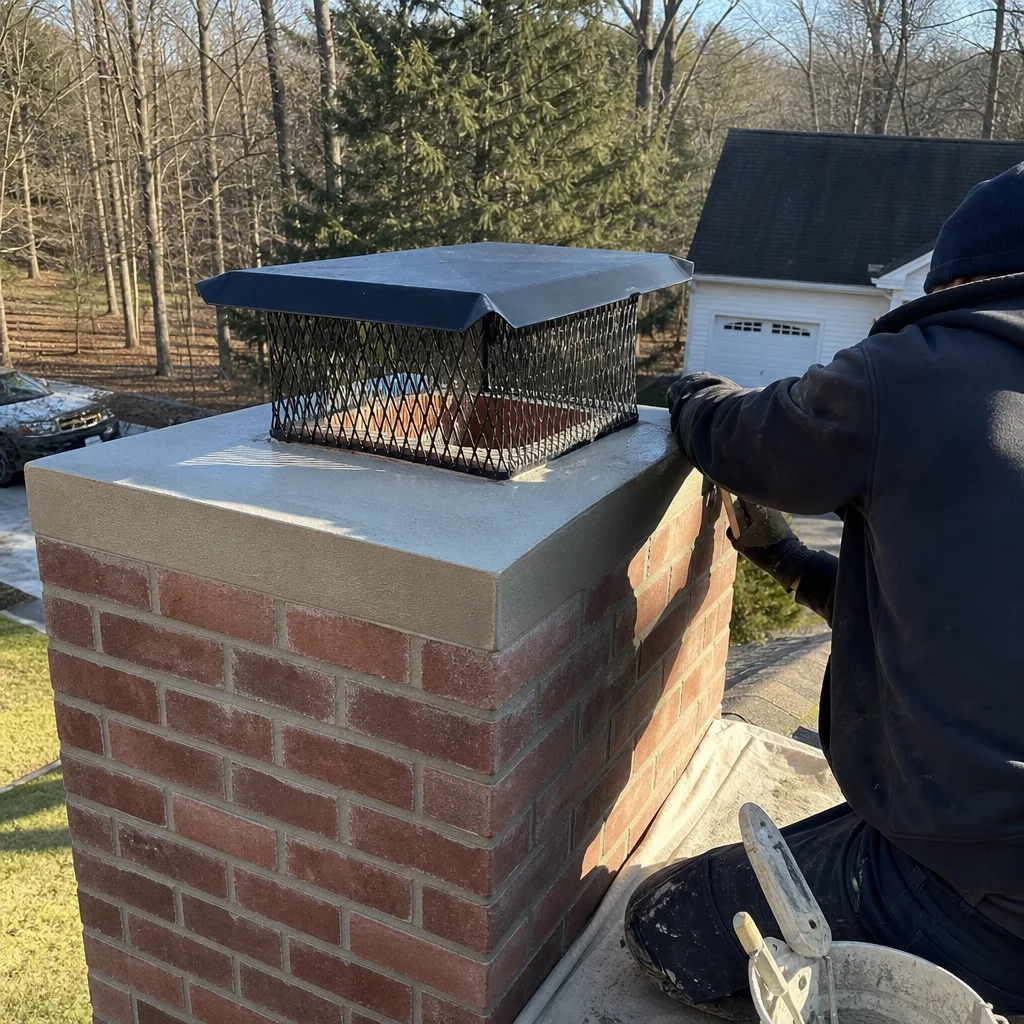 After
AfterChimney Cleaning Permits, Codes & Inspections in NY: What You Need to Know
A few years back, a Smithtown homeowner had their chimney relined after a routine cleaning turned up cracked flue tiles. The sweep was thorough, the new liner was stainless steel, and the work passed a home inspection when the owner sold two years later. Then the buyer started a kitchen renovation, the town inspector spotted the unpermitted liner, and the former owner faced a lawsuit for failing to disclose work done without a permit. The cleaning was legal. The repair attached to it was not. In The Complete Guide to Chimney Cleaning in Smithtown, we’ll show you exactly where New York draws the line between chimney maintenance that needs no paperwork and chimney repairs that can cost you your insurance coverage or block your home sale if permits are skipped.
Quick Answer
Chimney cleaning and sweeping in New York does not require a building permit. However, relining, structural rebuilding, and new appliance connections almost always do - and unpermitted work can void your homeowner’s insurance after a fire or create title defects that surface years later. Always verify your contractor pulled permits before paying the final invoice.
Table of Contents
- What Chimney Work Needs a Permit in New York?
- Smithtown and Suffolk County: Who Has Jurisdiction?
- NFPA 211: The Standard New York Adopted
- How Unpermitted Work Affects Your Insurance
- How to Verify a Contractor Actually Pulled a Permit
- What a Compliant Chimney Inspection Must Include
- Permit Costs and Timeline in Smithtown
- Common Mistakes to Avoid
- When to Call a Professional
- Frequently Asked Questions
- The Bottom Line
What Chimney Work Needs a Permit in New York?
New York State leaves most building code enforcement to local municipalities, but the pattern is consistent across Long Island and the Hudson Valley. Routine chimney maintenance needs no permit. Repairs that change the structure, fuel type, or venting path almost always do.
Here’s where the line falls in practice:
No Permit Required
- Chimney sweeping and cleaning of existing flues
- Removal of creosote, debris, or animal nests
- Minor tuckpointing of mortar joints (typically under 25% of the chimney face)
- Crown sealing with brush-applied products like HeatShield
- Cap replacement of the same size and type
- Damper repair or replacement (non-gas)
Permit Required
- Chimney relining or flue replacement, including DuraFlex stainless steel liners
- Structural rebuilding of the chimney stack above the roofline
- Foundation or footing work for a chimney base
- New fireplace or stove installation, or conversion between fuel types
- Gas line connections to fireplaces or inserts
- Changes to chimney height or termination point
The gray area catches homeowners off guard. A sweep finds cracked flue tiles and recommends relining. The homeowner assumes the sweep’s license covers everything. It does not. In Smithtown, as in most of Suffolk County, the sweep’s business license allows them to clean and to perform minor repairs. Installing a new liner triggers the building permit process because it alters the engineered venting system of the home.
We’ve seen this confusion repeatedly in older Smithtown neighborhoods like Kings Park and Nesconset, where chimneys from the 1960s and 1970s are reaching the end of their flue tile lifespan. A cleaning appointment becomes a repair recommendation, and the homeowner, eager to use the fireplace before cold weather, approves work without asking about permits. Two years later, the unpermitted liner becomes a problem.
The permit process exists for reasons beyond bureaucratic box-checking. A building inspector reviews the liner sizing against the appliance being vented, confirms clearances to combustibles, and verifies proper termination above the roofline. These are the same details that determine whether your chimney functions safely or creates a carbon monoxide risk.
Smithtown and Suffolk County: Who Has Jurisdiction?
Chimney work in Smithtown can involve two levels of oversight, and understanding which applies to your project prevents costly delays.
The Town of Smithtown Building Department issues permits for structural work, relining, and new installations within the town boundaries. This covers the hamlets of Smithtown, Kings Park, Nesconset, Saint James, and parts of Commack and Hauppauge that fall within town lines. The department reviews plans, schedules inspections, and issues certificates of occupancy or completion.
Suffolk County maintains authority over certain specialized installations, particularly those involving oil-burning equipment and some gas appliance venting. If your chimney serves a heating system regulated by the county, you may need both town and county sign-offs. Your contractor should know which applies before work begins, not discover it mid-project.
Here’s how to determine jurisdiction for your project:
- Identify your property’s municipality. Smithtown town boundaries do not align with ZIP codes or school districts. The Town of Smithtown website offers a property lookup tool by address.
- Classify the work type. Cleaning and sweeping fall outside building permit requirements entirely. Structural, relining, or fuel-conversion work triggers town review.
- Check for county overlay. Oil heat and certain commercial gas installations require Suffolk County Department of Health Services or Fire Prevention review in addition to town permits.
- Confirm inspection scheduling. Town inspectors typically need 48 hours’ notice. Final approval requires a passed inspection before the contractor can legally call the job complete.
In our experience across Smithtown, the most common jurisdictional confusion involves homes near the town border. A property on the Commack or Hauppauge edge may fall under Town of Smithtown or Town of Huntington or Town of Islip jurisdiction depending on the exact parcel. We’ve arrived at jobs where the previous contractor pulled no permit because they assumed the wrong town had authority. The correction costs time and money.
Climate factors specific to Long Island also shape what inspectors look for. Smithtown’s coastal exposure means chimneys face accelerated freeze-thaw cycling compared to inland New York. Inspectors pay particular attention to crown condition and flashing details that keep water out of the structure. A liner installation without proper crown repair will fail inspection even if the liner itself is correctly sized and placed.
NFPA 211: The Standard New York Adopted
New York State has adopted the National Fire Protection Association Standard 211 (NFPA 211) as the baseline for chimney construction, maintenance, and inspection. This is not a suggestion. Municipalities across the state, including Smithtown, reference NFPA 211 directly in their building codes. Work that violates NFPA 211 violates local law, permit or no permit.
NFPA 211 covers three areas that every homeowner should understand: inspection levels, clearance requirements, and material standards.
Inspection Levels
NFPA 211 defines three levels of chimney inspection. Level 1 is a visual examination of readily accessible portions, appropriate for annual maintenance when no changes have been made to the system. Level 2 includes video camera inspection of the flue interior, accessible portions of the attic and basement, and examination for clearances to combustibles. Level 3 involves demolition of building materials to access concealed areas, reserved for suspected hazards that cannot be evaluated otherwise.
In Smithtown, we perform Level-2 camera inspections as our standard for any chimney that has not been evaluated within the past year, or where the homeowner reports any change in performance. The camera reveals flue tile cracks, liner gaps, and creosote buildup that a flashlight inspection from the top or bottom will miss. We document every inspection with photos the homeowner can see and a plain-English verdict on what we found.
Clearance Requirements
NFPA 211 specifies minimum distances between chimney surfaces and combustible building materials. These vary by chimney type and construction. A masonry chimney requires different clearances than a factory-built metal chimney. The standard also addresses connector pipes between appliances and chimneys. Work that reduces these clearances below NFPA minimums is defective, regardless of how neatly it was installed.
Material Standards
The standard references UL-listed materials for liners, caps, and repair products. We use DuraFlex and Olympia Chimney liners that carry this listing, along with HeatShield for crown restoration where appropriate. These are not brand preferences. They are compliance requirements. An unlisted liner material installed in a Smithtown home fails both NFPA 211 and the town building code.
Homeowners rarely encounter NFPA 211 directly, but it shapes every permit application and inspection. When a Smithtown building inspector reviews relining plans, they are checking against NFPA 211’s sizing tables, clearance tables, and material requirements. A contractor who does not cite the standard in their proposal may not be designing to it.
How Unpermitted Work Affects Your Insurance
This is where the permit question becomes expensive. Homeowner’s insurance policies in New York contain standard exclusions for losses resulting from work performed without required permits or by unlicensed contractors. The language varies by carrier, but the substance is consistent.
A typical policy exclusion reads: “We do not cover loss caused by faulty, inadequate, or defective materials or workmanship, or by the failure to obtain necessary permits or comply with building codes, in the construction, renovation, or repair of any part of the dwelling.”
Translate that to a real scenario. Your chimney is relined without a permit. Two winters later, a chimney fire occurs. The fire department determines the liner was improperly sized for your wood-burning insert, causing excessive creosote accumulation. Your insurance carrier investigates, discovers the unpermitted work, and denies the claim for fire damage to your roof, attic, and second floor. You are left with repair costs that can exceed $100,000.
The denial is not automatic in every case, but it is standard practice for carriers to investigate permit status after significant fire losses. The investigation itself delays payment for months. If the carrier finds unpermitted work, they may also rescind the policy retroactively, treating it as void from the date of the unpermitted installation.
Title issues present a different but equally serious risk. In New York, property sellers must disclose known defects and unpermitted work on standard disclosure forms. Failure to disclose can lead to lawsuits for fraud or misrepresentation, as the Smithtown homeowner discovered. Even if the work was done by a previous owner, unpermitted chimney modifications can surface during buyer inspections or title searches, delaying or canceling sales.
Mortgage lenders increasingly require permit verification for structural and system modifications. An unpermitted chimney liner can trigger a lender requirement to bring the work into compliance before closing, with the cost falling on the seller or buyer depending on negotiation.
The protection is straightforward: verify permits before work begins, obtain certificates of completion, and keep documentation with your home records. The cost of permit compliance is minor compared to the exposure of proceeding without it.
How to Verify a Contractor Actually Pulled a Permit
Contractors sometimes promise permits “will be handled” without specifying when or how. Homeowners who do not verify this promise may discover too late that no permit was ever applied for. Here’s how to protect yourself.
- Request the permit application number before work starts. Legitimate contractors obtain permits before beginning work, not after. The application number lets you track status online or by phone with the building department.
- Verify with the building department directly. Call the Town of Smithtown Building Department or check their online permit portal using the application number. Confirm the permit was issued, the scope of work matches your contract, and the contractor’s license or registration is current.
- Require the final inspection certificate. A permit without a passed final inspection is incomplete. Do not pay the final invoice until the contractor provides documentation that the town inspector signed off on the work. In Smithtown, this is typically a Certificate of Completion or approved inspection card.
- Match the permit scope to the contract scope. A permit for “chimney cap replacement” does not cover relining. If your contract includes work beyond the permit description, the additional work is unpermitted.
- Check for lien releases if subcontractors were used. Some chimney contractors subcontract liner installation to specialized crews. Unpaid subcontractors can file mechanic’s liens against your property even if you paid the general contractor. Require lien waivers from all parties.
Red flags that suggest permit problems: the contractor asks you to pull the permit yourself (homeowner permits are limited to specific work types and exclude most chimney repairs); the price seems significantly below other estimates (permit fees and inspection time are real costs that legitimate contractors account for); the contractor wants cash payment or payment to a personal account rather than a business name; the timeline is “we can start tomorrow” for work that requires permit approval (Smithtown typically issues permits within a few business days for straightforward chimney work, but same-day starts for permitted work are unusual).
At Hearthstone Chimney Co., we pull all required permits for relining, rebuilding, and installation work before scheduling the job. We provide the permit application number with our work order confirmation, and we do not request final payment until the inspection is passed and the certificate is in hand. It’s part of doing the job right, and we stand behind it.
What a Compliant Chimney Inspection Must Include
New York’s adoption of NFPA 211 means that a compliant chimney inspection meets specific standards, not just a contractor’s informal look-around. Whether you are buying a home, preparing for heating season, or responding to a performance problem, our Chimney Cleaning & Sweep Maintenance Checklist for Smithtown Homeowners and understanding these standards helps you evaluate the service you receive.
For a Level-2 inspection, which is appropriate for most Smithtown homes with chimneys more than a few years old, the following elements are required:
- Visual examination of the chimney exterior, including crown, cap, flashing, and masonry condition
- Video camera scan of the flue interior from top to bottom, with recording capability
- Examination of accessible portions of the attic and basement for proper clearances and signs of leakage
- Evaluation of the appliance connection and connector pipe condition
- Assessment of the chimney’s suitability for its intended fuel type and appliance
- Documentation of findings with photos or video stills
The inspection must result in a written report that states whether the chimney is safe for use, requires maintenance, or needs repair before operation. Verbal assurances without documentation do not satisfy NFPA 211 or protect the homeowner.
In Smithtown’s climate, we pay particular attention to conditions that develop from Long Island’s freeze-thaw cycles and coastal humidity. Crown deterioration, spalling brick from moisture penetration, and rusted flue liners from condensation are common findings that a surface inspection misses. The camera reveals what the eye cannot.
Our Level-2 camera inspections end with photos you can see and a plain-English verdict. If we find conditions that require repair, we explain what we found, why it matters for safety or function, and what options exist. Nothing is recommended without evidence you can evaluate yourself.
Permit Costs and Timeline in Smithtown
Permit costs for chimney work in Smithtown are modest compared to the project cost, but they vary by scope. Understanding these costs helps you evaluate whether a contractor’s estimate accounts for proper compliance.
| Work Type | Permit Fee Range | Timeline |
|---|---|---|
| Chimney relining (residential) | $150-$350 | 2-5 business days for issuance; inspection within 48 hours of request |
| Structural rebuilding (partial) | $200-$500 | 3-7 business days; may require plan review |
| Structural rebuilding (complete) | $400-$800 | 1-2 weeks; requires detailed plans and possibly engineering |
| New fireplace or stove installation | $150-$400 | 2-5 business days; separate plumbing/gas permits may apply |
| Fuel conversion (wood to gas, etc.) | $150-$350 | 2-5 business days; may require utility inspection |
| Chimney cleaning and sweeping | No permit required | Schedule directly with contractor |
These fees do not include the cost of plans or engineering if required for extensive rebuilding. A chimney that needs foundation work or significant structural modification may require stamped drawings from a New York-licensed engineer, adding $500-$1,500 to the project.
The timeline assumes complete application submissions. Delays typically result from missing contractor license documentation, incomplete scope descriptions, or scheduling conflicts with town inspectors. A contractor familiar with Smithtown’s building department can anticipate and avoid these delays.
We include permit costs in our upfront pricing for any job that requires them. The number on the estimate is the number on the invoice. No surprises.
Common Mistakes to Avoid
- Assuming cleaning covers everything. A thorough cleaning is essential maintenance, but it is not a structural evaluation or repair. Do not let a low cleaning price distract from permit-required work that may be needed.
- Accepting verbal permit assurances. “Don’t worry, we’ll take care of it” means nothing without a permit number you can verify. Smithtown homeowners have been burned by contractors who never filed the application.
- Paying in full before final inspection. Once the contractor has full payment, your leverage disappears. Structure payment with holdback until permit closure.
- Ignoring NFPA 211 references. A contractor who cannot cite the standard by which their work will be judged may not be designing to it. Ask directly: “What NFPA 211 section governs this installation?”
- Skipping inspection on a home purchase. Smithtown’s older housing stock, particularly in Kings Park and Nesconset, includes chimneys that have gone decades without proper evaluation. A home inspector’s visual check is not a Level-2 camera inspection.
- Using unlisted materials to save money. Generic liners or repair products without UL listing fail code regardless of installation quality. We use listed products from DuraFlex, HeatShield, and Olympia Chimney for this reason.
- Failing to disclose unpermitted work at sale. New York’s property disclosure form asks directly about permits. A “no” answer when unpermitted work exists is actionable misrepresentation.
When to Call a Professional
Call a qualified chimney professional when your inspection reveals conditions beyond routine maintenance, when you are converting fuels or installing new equipment, or when you are buying or selling a home with a chimney that lacks documented recent evaluation. In Smithtown’s climate, chimneys that have not been inspected within two years are overdue.
Specific scenarios that require professional evaluation: visible cracks in the flue or masonry, water staining on interior walls near the chimney, smoke backup into the room, unusual odors when the fireplace is not in use, or any chimney fire history even if damage appears minor. These symptoms indicate conditions that a cleaning alone will not correct.
Chimney Cleaning & Sweep in Smithtown and Chimney Repair in Smithtown from Hearthstone Chimney Co. include proper documentation, permit handling where required, and our 90-Day Done Right Promise in writing. We offer free estimates in Smithtown - call (631) 814-2057.
Frequently Asked Questions
No. Chimney cleaning, sweeping, and creosote removal do not require a building permit anywhere in New York State, including Smithtown. Permits become required when the work involves structural changes, relining, or new appliance connections.
A standard chimney cleaning in Smithtown typically ranges from $150 to $300 depending on accessibility, creosote buildup level, and whether a Level-1 or Level-2 inspection is included. For more guides & resources, visit our blog. Our $89 Seasonal Tune-Up offers scheduled maintenance at a lower price point during off-peak months. Call (631) 814-2057 for an exact quote - estimates are free.
Unpermitted relining can void your homeowner’s insurance after a fire, expose you to liability if you sell the home, and require costly remediation if discovered later. The permit process ensures proper sizing and installation that protects your safety and your financial exposure.
NFPA 211 recommends annual inspection for all chimneys, with cleaning frequency determined by use and fuel type. Wood-burning fireplaces used regularly during Smithtown’s heating season typically need annual sweeping. Gas appliances may need less frequent cleaning but still require annual inspection for connector and venting integrity.
You need a new liner when inspection reveals cracked flue tiles, gaps between tile sections, or deterioration that compromises the chimney’s ability to contain combustion byproducts safely. We do not recommend liner replacement without camera evidence you can see for yourself, and we will tell you plainly when conditions allow safe continued use with monitoring.
Homeowners can pull permits for limited work types on their own property, but chimney relining and structural work typically require a licensed contractor. The Town of Smithtown Building Department can confirm whether your specific project qualifies for homeowner permitting. In practice, most chimney repair permits are pulled by the contractor performing the work.
Keep the permit application, all inspection records including the final approval or certificate of completion, the contractor’s invoice, and any product warranties for liners or materials. These documents transfer with the home and protect you in insurance claims or sale transactions. Store them with your other home improvement records.
The Bottom Line
Chimney cleaning in New York is straightforward: no permit, schedule freely, maintain annually. The repairs that cleaning uncovers are where permits matter and where skipping them creates exposure that can surface years later. Know the line between maintenance and modification. Verify permits independently. Obtain final inspection documentation before paying in full. And choose a contractor who treats these steps as standard practice, not obstacles to shortcut. In Smithtown, that means working with a company that documents every finding, pulls every required permit, and stands behind the result in writing. Done right - and we stand behind it.
Written by Russell Haines, Owner at Hearthstone Chimney Co., serving Smithtown since 2014.