
Last updated September 10, 2026
Level 1 sweep and inspection to the NFPA 211 annual standard - flue, crown, cap, and flashing checked and photographed
Chimney sweep logs do not sweep chimneys. They loosen some creosote - which then falls where a brush and vacuum still have to collect it.
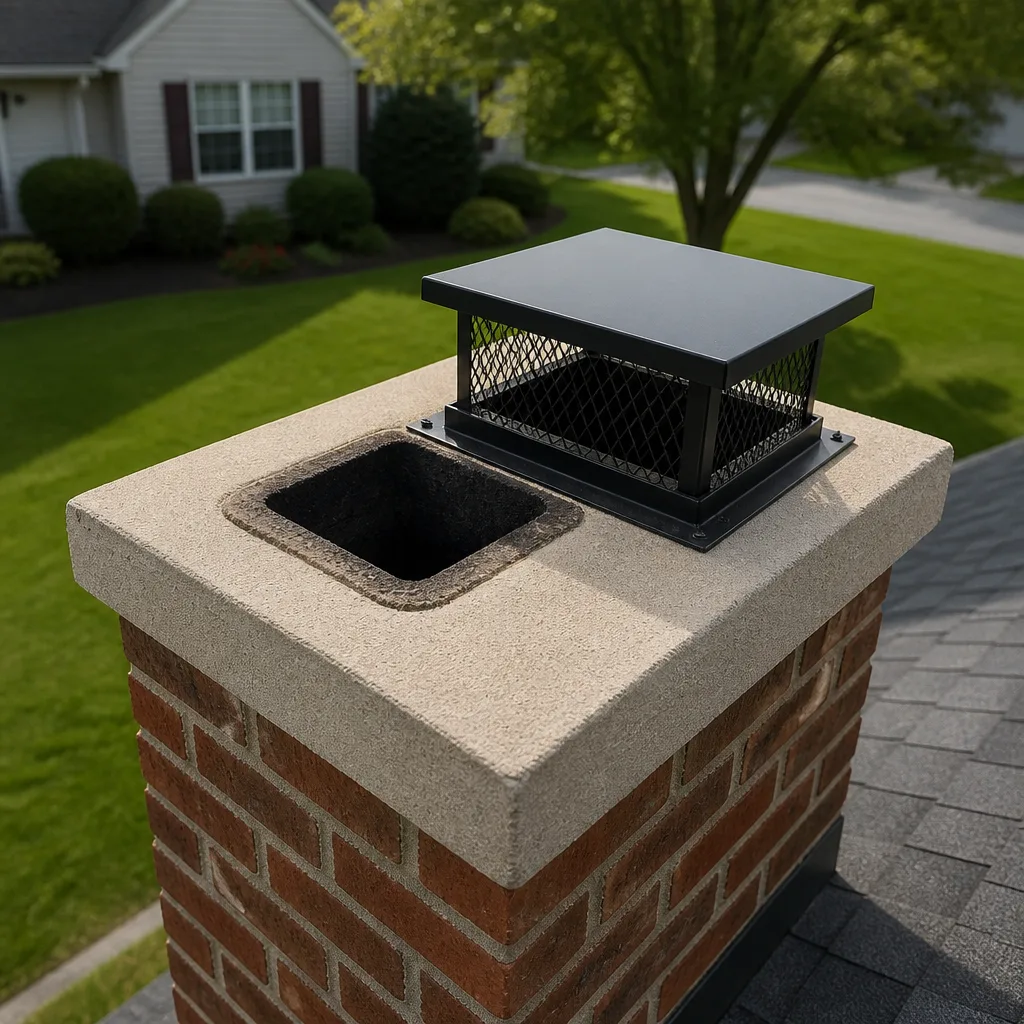
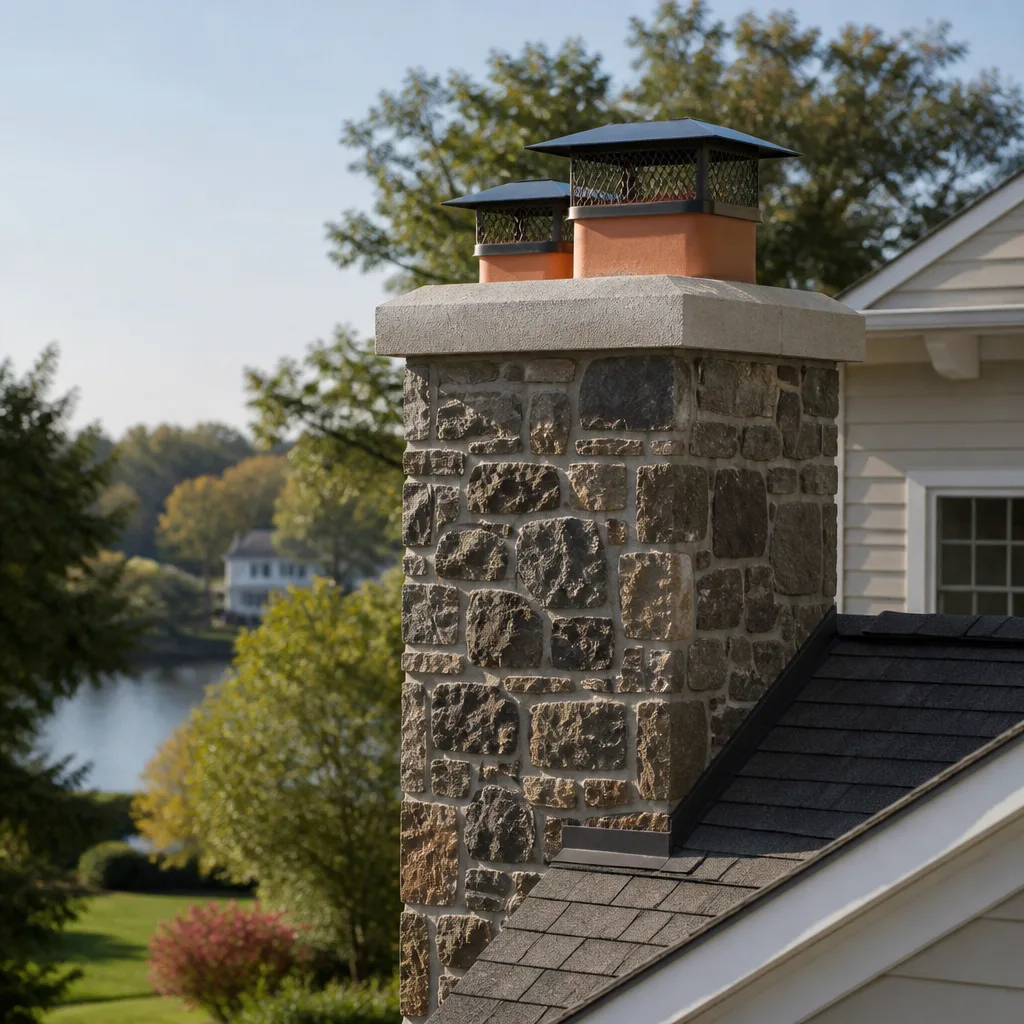
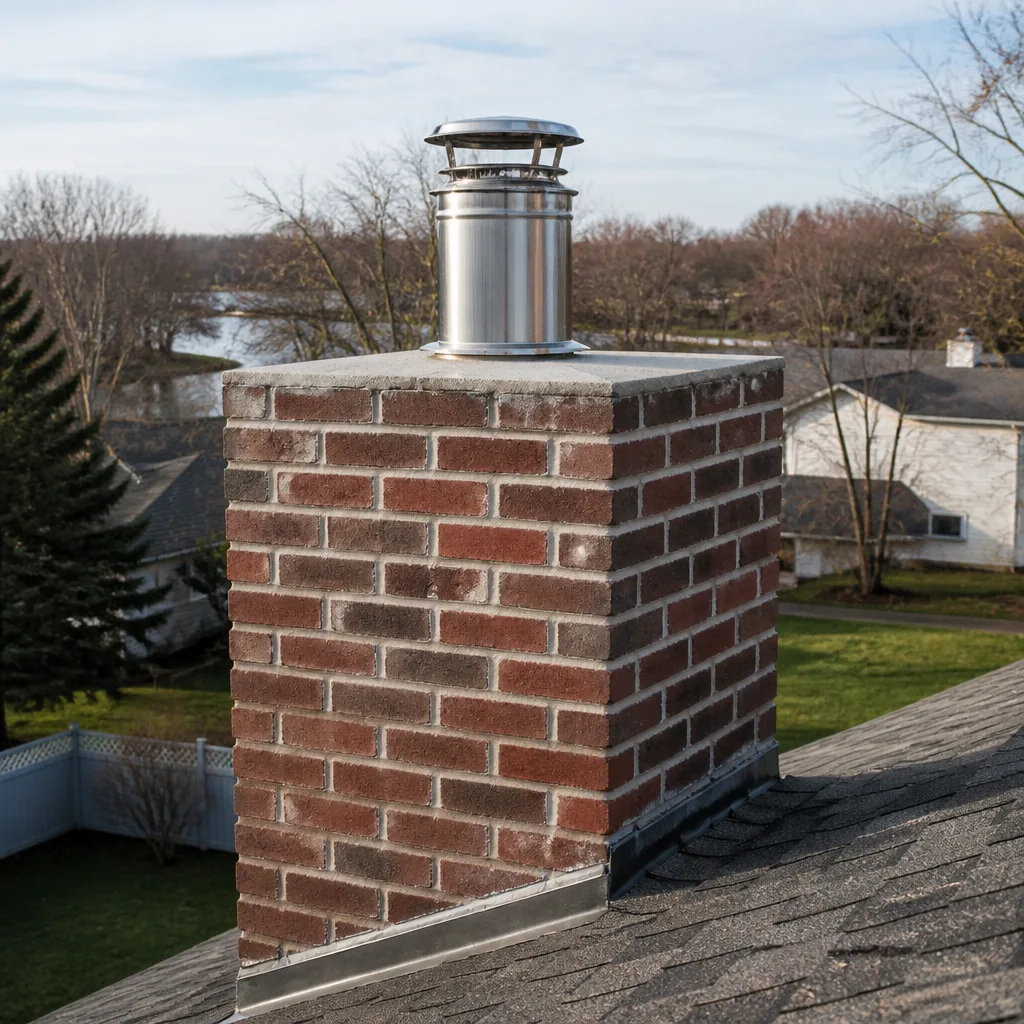
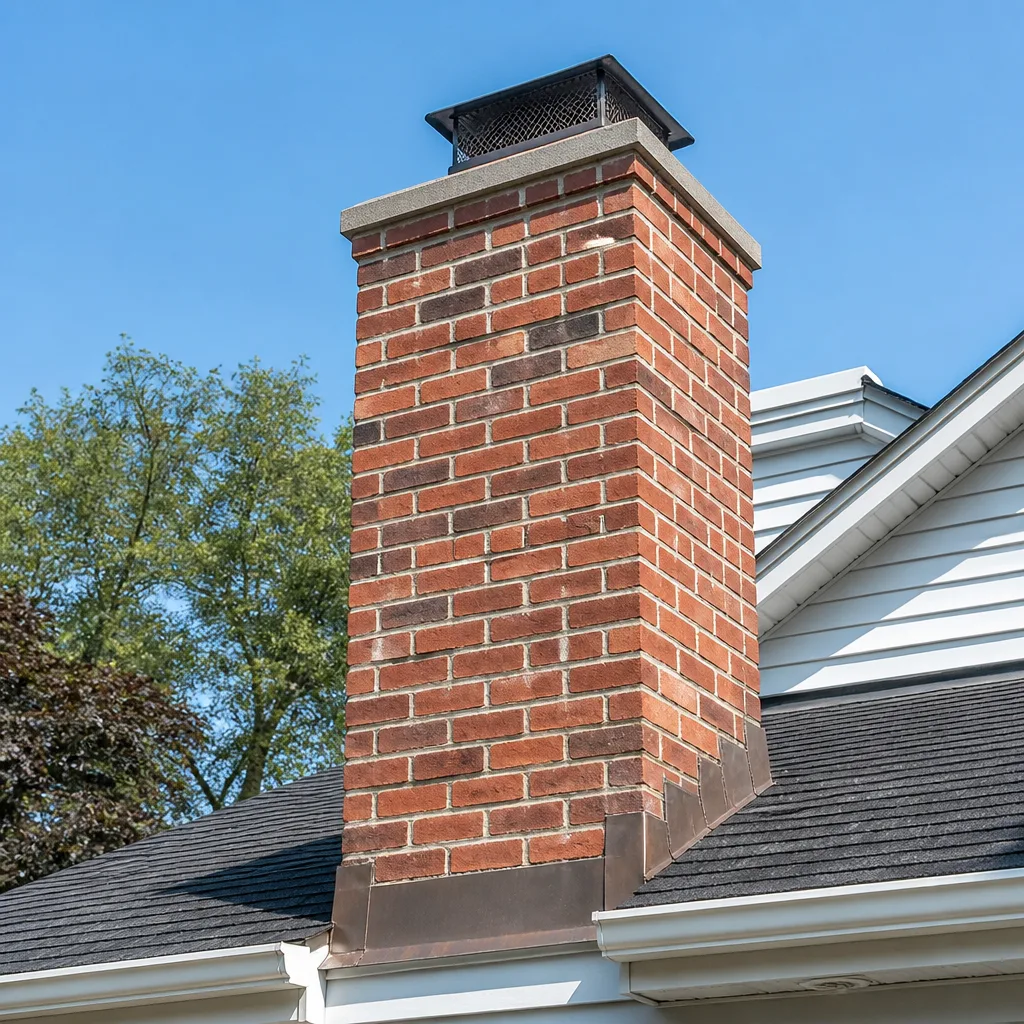
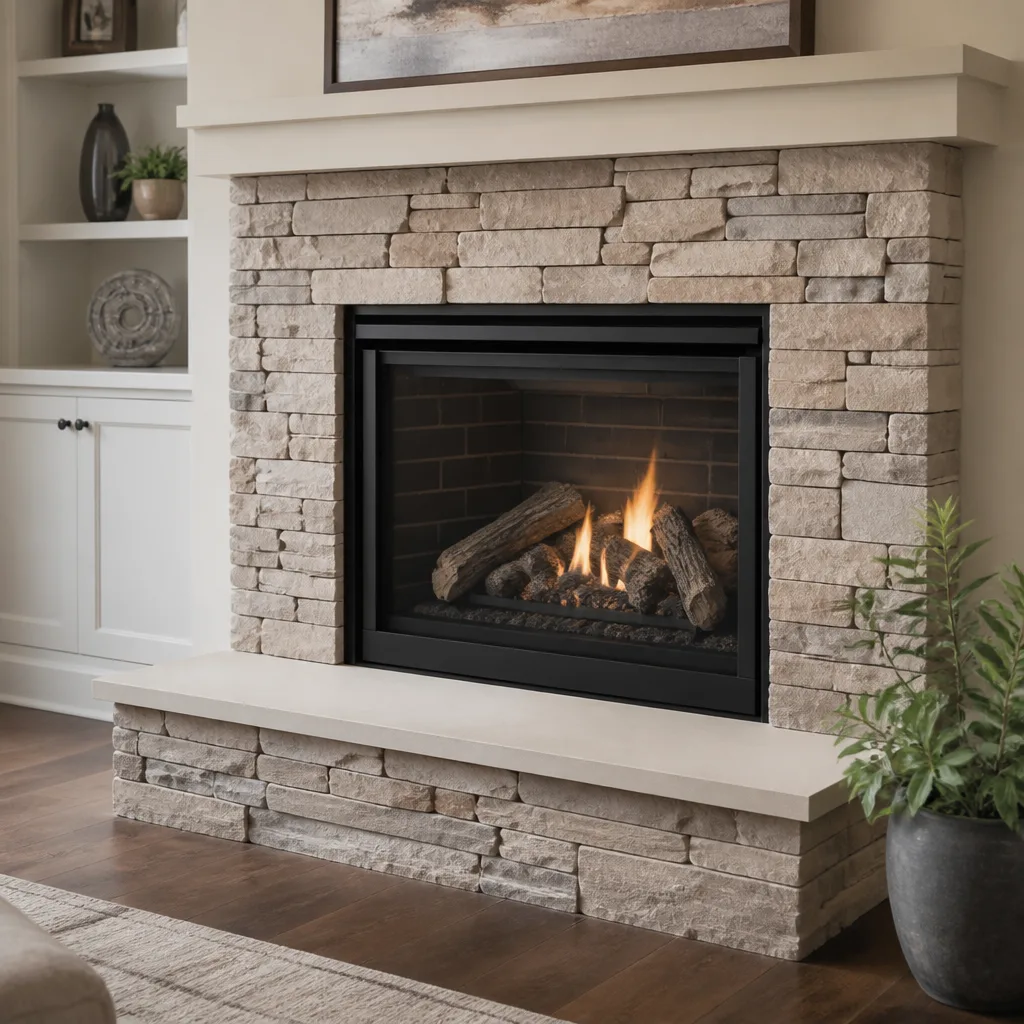
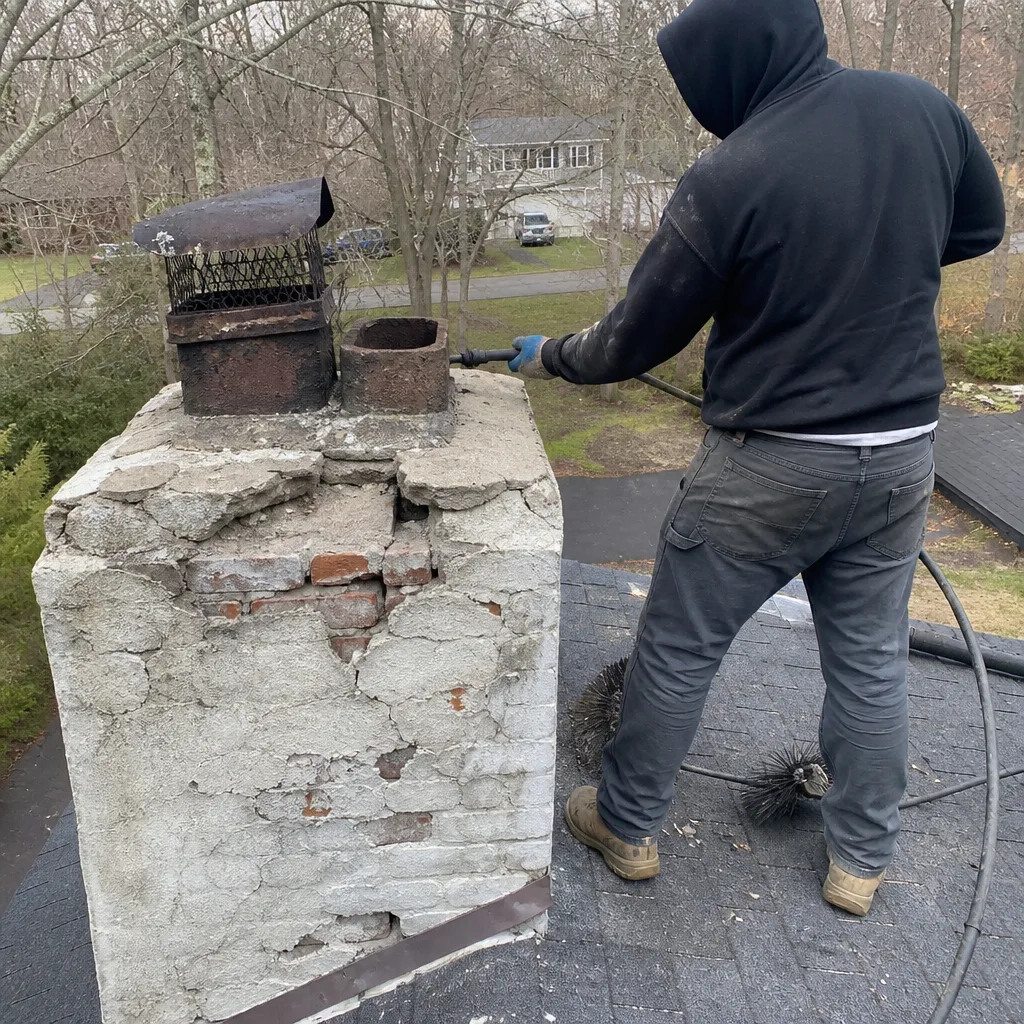 Before
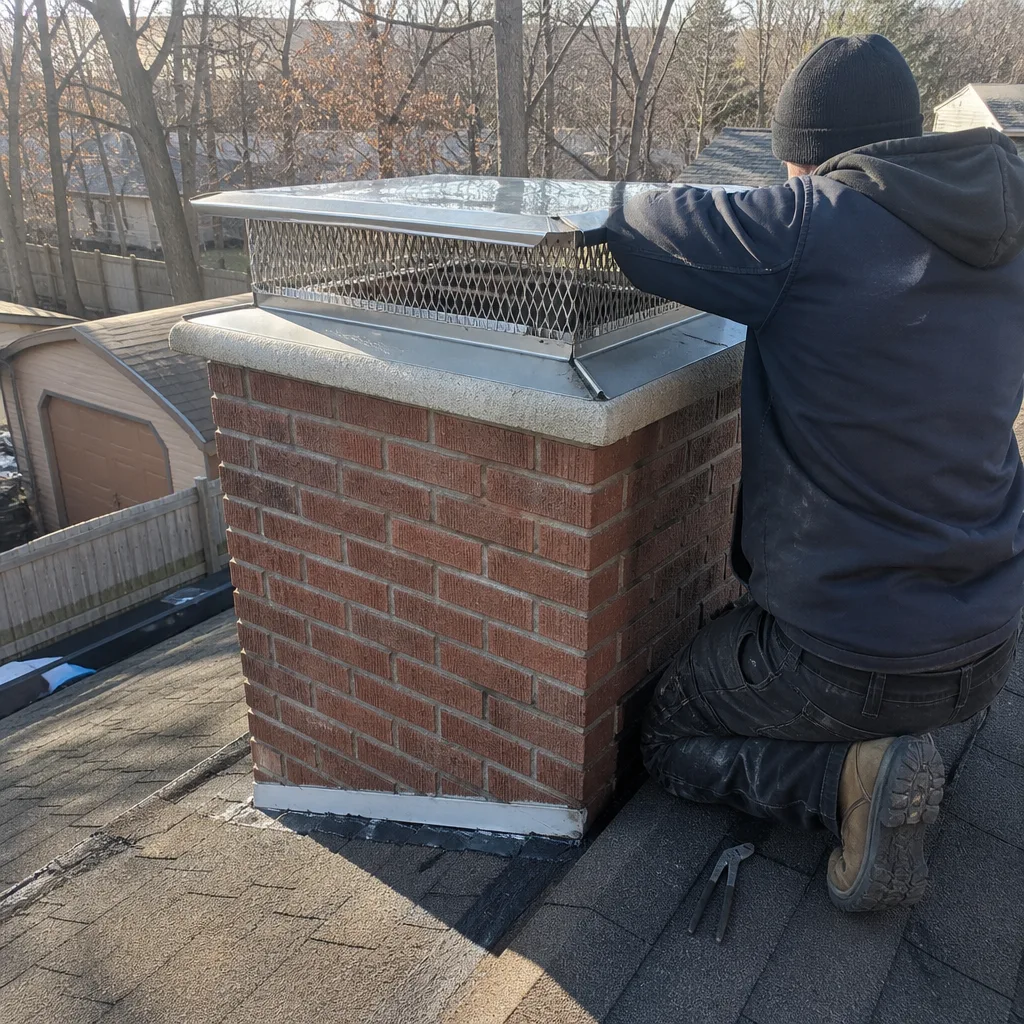 After
After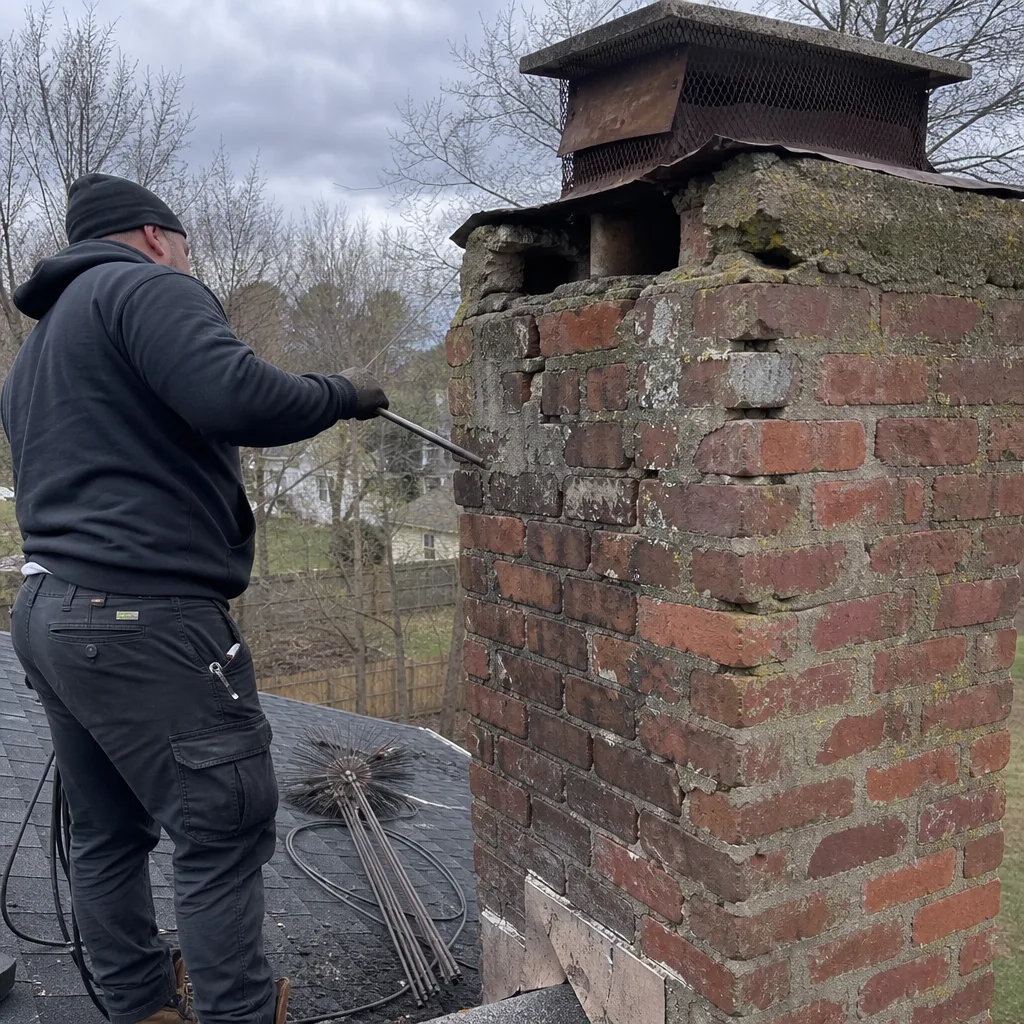 Before
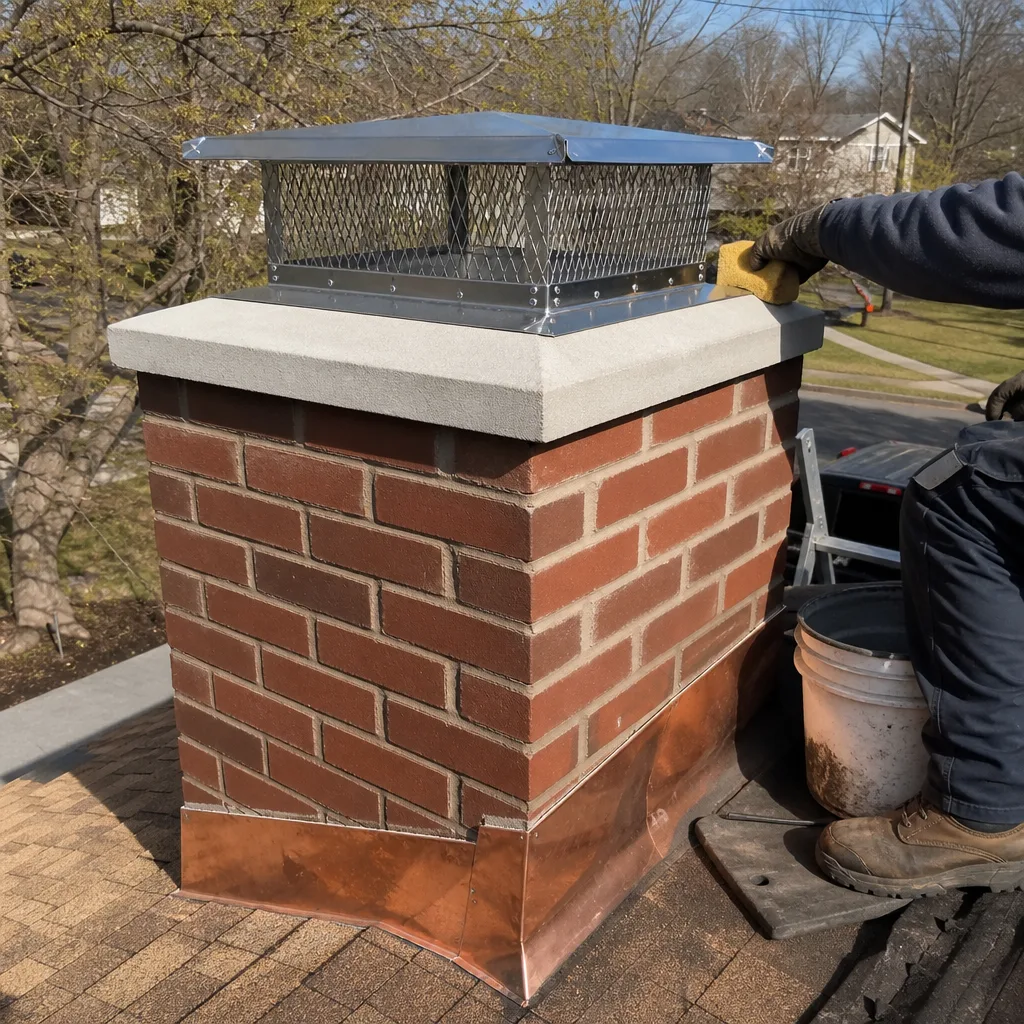 After
After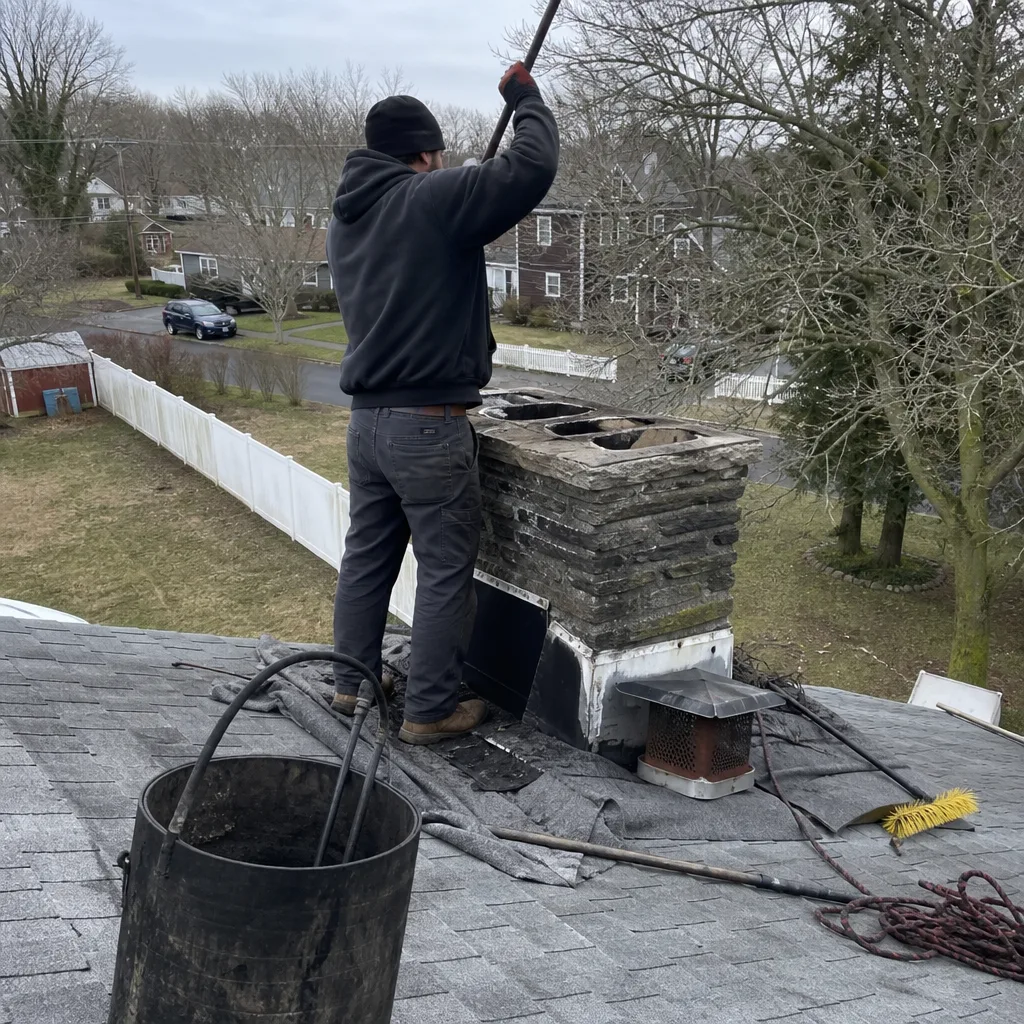 Before
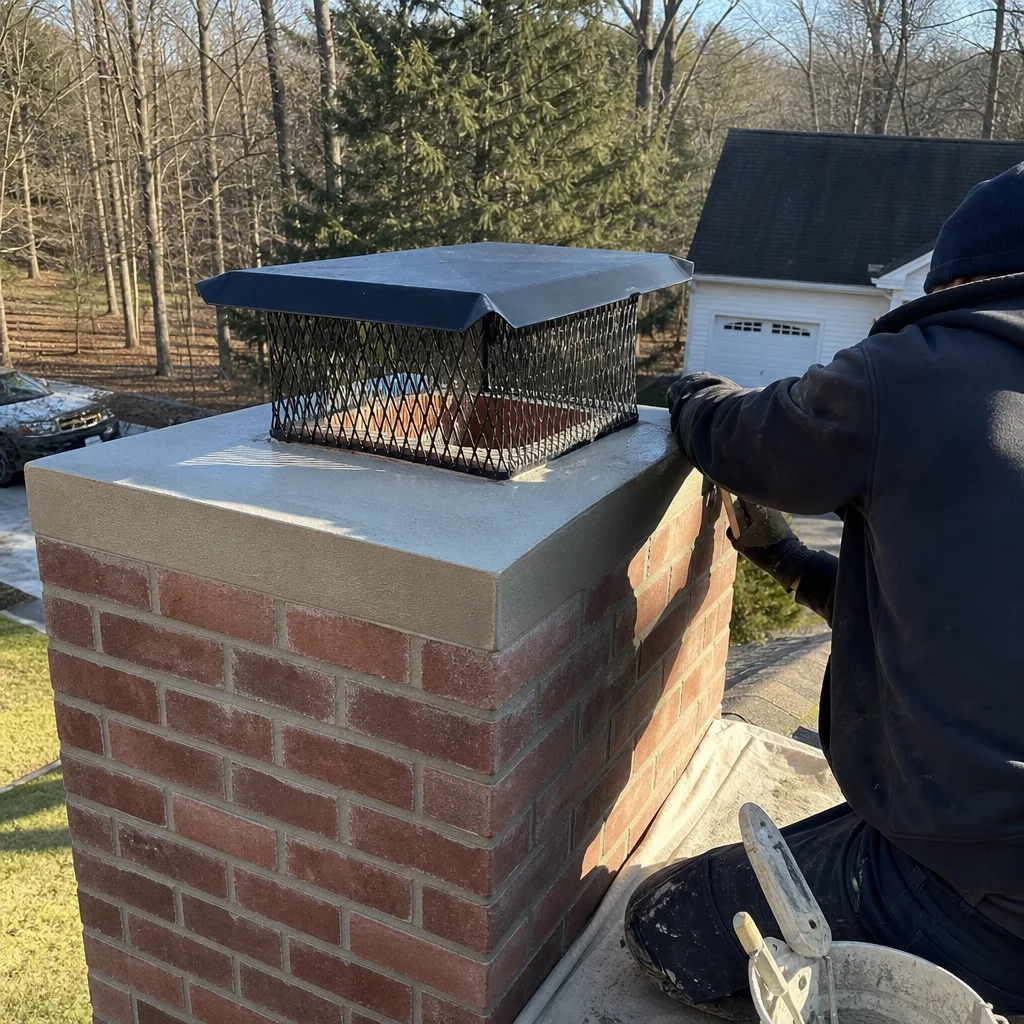 After
AfterThe Complete Guide to Chimney Cleaning in Smithtown
The Chimney Safety Institute of America estimates that 25% of house fires classified as “chimney fires” started in chimneys that had been cleaned - just not cleaned completely. A brush run up the flue misses two-thirds of the system that keeps your home safe. In Smithtown, where salt air from the Sound meets freeze-thaw winters and humid summers, chimneys deteriorate in patterns you won’t find inland. This guide - alongside our Seasonal Chimney Cleaning Care for Smithtown: Year-Round Homeowner’s Guide - maps the three distinct failure zones of every chimney system so you know exactly what a thorough sweep should touch before anyone picks up a brush. You’ll learn how Long Island’s coastal climate creates unique risks, how to read an inspection report like a professional, and why documentation matters for your insurance and your home’s resale value.
Quick Answer
Professional chimney cleaning in Smithtown, New York typically costs between $199 and $349 for a standard sweep with Level 1 inspection, and should include evaluation of three distinct zones: the firebox, the flue, and the crown/cap assembly. If you’re weighing whether to tackle this yourself, see our DIY vs Professional Chimney Cleaning: The Smithtown Homeowner’s Decision Guide. A complete job takes 45 to 90 minutes, produces photo documentation of all accessible areas, and ends with a written verdict you can keep for your records. In Suffolk County’s coastal climate, annual cleaning is the minimum; homes burning more than two cords of wood per season often need mid-season evaluation.
Table of Contents
- The Three Zones Your Sweep Must Evaluate
- How Smithtown’s Coastal Climate Damages Chimneys
- Level 1, 2, and 3 Inspections: Which One Do You Need?
- What Happens During a Professional Chimney Cleaning
- How to Read a Sweep’s Written Verdict
- Chimney Cleaning Costs in Smithtown
- Why Photo Documentation Beats Verbal Reports
- How Often Should You Clean Your Chimney?
The Three Zones Your Sweep Must Evaluate
Most homeowners in Smithtown think chimney cleaning means running a brush up the flue until soot stops falling. That addresses one zone. A complete evaluation covers three, and each has its own failure modes, inspection methods, and maintenance needs.
Zone One: The Firebox
The firebox is where combustion happens - the visible hearth, sidewalls, back wall, and floor that take direct flame. In our 42 years of service, we’ve seen more firebox failures in Smithtown’s older homes than anywhere else in Suffolk County. The reason is straightforward: many homes built between 1950 and 1980 have fireboxes constructed with standard mortar instead of refractory cement. Standard mortar degrades at 600°F. A wood fire burns at 1,100°F. The math catches up eventually.
What a thorough sweep checks in Zone One:
- Cracked or missing mortar joints between firebricks
- Spalling or flaking of refractory surfaces
- Proper clearance to combustible framing (often compromised in renovations)
- Condition of the damper assembly and throat
- Integrity of the smoke shelf and chamber
In the Nissequogue and St. James areas, we regularly find fireboxes where previous owners installed gas log sets without proper ventilation modifications. The logs look fine, but the chamber has been breathing moisture-laden exhaust for years. Zone One evaluation catches this before it becomes a structural problem.
Zone Two: The Flue
The flue is the vertical passage that carries exhaust gases from firebox to atmosphere. This is where creosote accumulates, and it’s where most sweeps spend their time. But not all flue cleaning is equal.
Smithtown’s coastal humidity creates a specific creosote profile. Moisture from fog and salt-laden air condenses on cooler flue surfaces, bonding with combustion byproducts to form glazed creosote - a hard, tar-like deposit that standard wire brushes won’t remove. We’ve found glazed deposits more than a quarter-inch thick in flues that were “cleaned” annually by budget operators using the same equipment they’d use in Arizona.
Proper flue evaluation includes:
- Visual inspection of the full flue length using a camera system (Level 2 standard)
- Measurement of creosote deposit thickness at multiple points
- Assessment of flue liner condition - clay tile, metal, or unlined masonry
- Documentation of any spalling, cracking, or displacement
- Evaluation of draft performance under operating conditions
The flue is where carbon monoxide risk lives. A compromised liner or blocked passage can force exhaust into living spaces without warning. No smoke detector catches CO. This is why we document every flue with photos the homeowner can see.
Zone Three: The Crown, Cap, and Exterior Masonry
This is the zone most sweeps skip entirely. It’s also where Smithtown’s climate does its worst damage.
The crown is the concrete or mortar slab that seals the top of your chimney, sloped to shed water. The cap is the metal cover that keeps rain, animals, and debris out of the flue. Together with the exterior brick or stone, they form your chimney’s weather defense.
Long Island’s freeze-thaw cycle is brutal on crowns. Water infiltrates hairline cracks, expands when it freezes, and widens those cracks with every cycle. A crown that looks sound in October can be crumbling by March. In Smithtown’s waterfront neighborhoods - Kings Park, Fort Salonga, the Sound-front sections - salt spray accelerates the deterioration. We’ve replaced crowns that were less than five years old because the original installer used standard mortar mix instead of a proper crown-specific formulation with air-entrainment for freeze-thaw resistance.
Zone Three evaluation should include:
- Crown integrity, slope, and overhang beyond the chimney face
- Cap fit, screen condition, and spark arrestor function
- Flashing where the chimney meets the roof plane
- Exterior masonry for spalling, efflorescence, or mortar joint failure
- Evidence of water staining inside the firebox or on adjacent ceilings
A sweep who doesn’t go to the roof or use a pole camera to examine Zone Three is doing half a job. In our experience, 40% of the chimneys we evaluate in Smithtown have active water intrusion that the homeowner never suspected because the firebox and flue were “fine.”
How Smithtown’s Coastal Climate Damages Chimneys
Chimneys in Smithtown fail differently than chimneys in Albany or Buffalo. Understanding your local climate helps you ask better questions and spot incomplete work.
Salt Air and Metal Components
Stainless steel chimney liners and caps are standard recommendations, but not all stainless steel is equal. In Smithtown, within five miles of the Long Island Sound, we specify 316Ti stainless or higher for liner installations. The titanium stabilization resists salt-air corrosion that standard 304 stainless cannot. We’ve removed 304 liners that failed in less than eight years in Fort Salonga, while 316Ti installations from the same era remain sound.
Cap hardware - screws, clamps, and screening - corrodes faster here too. We use Gelco and Famco caps with marine-grade fasteners for coastal installations. A cap that blows off in a nor’easter is usually a cap whose fasteners rusted through.
Freeze-Thaw Cycling
Suffolk County averages 20 to 30 freeze-thaw cycles per winter, with temperature swings of 30°F or more in 24 hours. Each cycle pumps water through masonry pores, expanding cracks and delaminating surfaces. Chimneys with absorbed moisture from summer humidity enter winter pre-loaded for damage.
The pattern we see in Smithtown: exterior spalling accelerates in February and March, after months of cycling. Homeowners notice pieces of brick on the roof or ground, or they call because their sweep “found something” during a routine cleaning. By then, the damage is rarely superficial.
Humidity and Creosote Formation
Smithtown’s summer relative humidity averages 70%, and coastal fog is common year-round. When a flue cools between fires, humid air condenses on its interior surface. This moisture layer captures combustion particles that would otherwise exit, creating a sticky base for creosote accumulation. The result is faster buildup and harder deposits than in drier climates.
Homes in wooded sections of Smithtown - near Blydenburgh County Park, for instance - often burn softer woods like pine for ambiance. Soft woods produce more creosote to begin with. Combined with humidity, these flues need more frequent attention than the annual minimum.
Wind-Driven Rain
The prevailing northeast storm track sends rain horizontally at Smithtown chimneys. A cap with inadequate overhang, or a crown without proper drip edge, will admit water even when the storm isn’t “severe” by general standards. We’ve documented water entry during 25-mph sustained winds - common conditions, not exceptional ones.
This is why our chimney repair in Smithtown evaluations always include cap and crown assessment, even when the call was for “just a cleaning.” The three zones are interconnected. Water from a failed crown damages the flue liner. A damaged liner leaks exhaust that degrades mortar in the smoke chamber. Zone Three problems become Zone One problems if you wait long enough.
Level 1, 2, and 3 Inspections: Which One Do You Need?
The National Fire Protection Association defines three inspection levels in NFPA 211, the standard that governs chimney safety. Most homeowners don’t know which level applies to their situation, and some sweeps exploit that confusion. Here’s the plain breakdown.
Level 1 Inspection
A Level 1 is a visual examination of readily accessible portions of the chimney exterior, interior, and connecting appliances. No tools are used to open or dismantle anything. The sweep looks, documents what they see, and reports.
When you need it: Annual maintenance when no changes have been made to the system and no problems are suspected.
Limitations: A Level 1 cannot evaluate concealed portions of the flue, cannot assess liner condition beyond what is visible from top or bottom, and cannot identify many water intrusion paths. In Smithtown’s climate, we consider Level 1 adequate only for systems that were fully evaluated with Level 2 within the past three years and have shown no signs of distress.
Level 2 Inspection
A Level 2 includes everything in Level 1 plus examination with video scanning equipment of internal surfaces, inspection of accessible attics and crawl spaces, and evaluation of clearances to combustibles. It is required by NFPA 211 upon sale or transfer of property, after chimney fire or operational malfunction, and after any change to the system (new appliance, new liner, etc.).
This is our standard for every new customer in Smithtown, and for any system that has gone more than two years without professional evaluation. The camera reveals what eyes cannot: cracked tile liners, gaps between liner sections, mortar displacement, and creosote buildup patterns that indicate drafting problems.
Our Level 2 inspections end with photos you can see and a plain-English verdict. No jargon, no scare tactics, just what we found and what it means for your safety and your budget. We document like engineers because that’s what your insurance company and your home buyer will want.
Level 3 Inspection
A Level 3 is invasive. It involves dismantling portions of the chimney or building structure to gain access to concealed areas. It is performed only when a Level 1 or 2 inspection indicates a hazard that cannot be fully evaluated otherwise.
When you need it: Suspected hidden fire damage, structural compromise, or ongoing water intrusion with no visible source.
We perform Level 3 inspections only after explaining exactly why it’s necessary, what will be opened, and what restoration is included. No surprises on the bill. The number on the estimate is the number on the invoice.
| Inspection Level | What It Includes | Typical Cost in Smithtown | When Required |
|---|---|---|---|
| Level 1 | Visual exam of accessible areas | $199-$249 | Annual maintenance, no changes |
| Level 2 | Level 1 + video scan + attic/crawl space | $299-$379 | Home sale, fire, malfunction, new appliance |
| Level 3 | Invasive inspection of concealed areas | $500+ (estimate required) | Hidden hazard suspected |
What Happens During a Professional Chimney Cleaning
Knowing what should happen helps you recognize what shouldn’t. Here’s the sequence we follow for every cleaning in Smithtown, whether it’s a routine maintenance call or the first visit to a home that’s been neglected. For help selecting the right company, read our How to Hire a Chimney Cleaning Contractor in Smithtown: A Step-by-Step Guide.
Before We Arrive
Our office calls to confirm your appointment window and remind you to avoid fires for 24 hours prior. A hot flue cannot be safely cleaned, and hot ashes are a burn and fire risk. We ask about your burning habits - fuel type, frequency, any changes - so our technician arrives informed.
Arrival and Setup
Our technician arrives in a marked vehicle, in uniform, with photo ID. We lay protective coverings from the entry to the work area. We’ve been in homes in Smithtown where the floors are original wide-plank pine from the 1800s. We treat them accordingly.
Step-by-Step Cleaning Protocol
- Exterior evaluation. We examine the chimney from ground level and roof (or using a pole camera when roof access is unsafe). Crown, cap, flashing, and masonry condition are documented with photos.
- Interior firebox inspection. Damper operation, brick and mortar condition, clearance to combustibles, and smoke chamber integrity are evaluated before any cleaning begins.
- Flue cleaning. We select brushes and rods matched to your flue diameter and liner material. For clay tile liners, polypropylene brushes avoid tile damage. For metal liners, wire brushes appropriate to the alloy. Rotary cleaning with powered whips handles glazed creosote that manual brushing won’t touch.
- Debris removal. Soot and creosote are collected with HEPA vacuum systems. We do not blow debris into your home or leave residue in the firebox.
- Level 2 video inspection. A high-resolution camera scans the full flue length. The technician narrates findings in real time; you watch if you choose. Images are captured at points of interest.
- Smoke chamber and damper cleaning. Often skipped by budget operators, this area collects highly combustible soot and must be manually cleaned and inspected.
- Final documentation. Photos are compiled with findings and recommendations into a written report, delivered by email or printed copy before we leave.
Most cleanings take 60 to 90 minutes. Complex systems, heavy creosote, or needed repairs extend this. We schedule accordingly and communicate if your situation requires more time.
What We Don’t Do
We don’t sell you a liner you don’t need. We don’t recommend masonry repair without photo evidence you can see for yourself. We don’t leave you with a verbal “everything looks good” that evaporates when you need documentation for a home sale or insurance claim. Done right - and we stand behind it.
How to Read a Sweep’s Written Verdict
The inspection report is where trustworthy sweeps separate from the rest. A proper verdict is specific, photographic, and actionable. Vague language is a red flag, and certain phrases should prompt immediate questions.
Green Flags: What Good Reports Contain
- Date, technician name, and company contact information
- Specific measurements (creosote thickness in fractions of an inch, crack dimensions, clearances in inches)
- Photo documentation with annotations
- Clear classification of findings: immediate hazard, repair needed, monitor, or satisfactory
- Reference to applicable code (NFPA 211, local building code) when deficiencies are noted
- Prioritized recommendations with rationale, not just a list of upsells
Red Flags: Language That Should Concern You
“Chimney is unsafe for use.” Without specific findings and photos, this is unprofessional fear-selling. Every unsafe determination should cite the exact defect, the code violated, and the consequences of continued use.
“Recommend liner replacement.” Why? Is the existing liner damaged, absent, or improperly sized? What type is recommended, and why that type? In Smithtown’s salt air, we specify chimney repair materials like HeatShield for cerfractory resurfacing or Olympia Chimney stainless systems when full replacement is warranted - and we explain which applies to your situation.
“Water damage observed.” Where? To what component? From what source? Water in the firebox suggests crown or flashing failure. Water in the attic suggests chimney penetration leaks. Water staining on exterior masonry suggests cap or crown problems. Generalities help no one.
“Annual cleaning recommended.” Based on what? A home that burns two cords of oak needs different attention than one with occasional Duraflame log use. The CSIA recommendation is inspection annually, cleaning as needed. A sweep who recommends cleaning without justifying frequency based on your actual use is following a calendar, not your chimney.
“Estimate attached.” For what, specifically? Line items should describe the work, the materials (brand and specification), and the warranty. Our estimates specify DuraFlex, HeatShield, Gelco, Olympia Chimney, Famco, or Copperfield materials when applicable - never “comparable substitute” language that lets a contractor downgrade.
The Question to Ask Every Sweep
“If I call you back in a year with a problem in an area you inspected today, can you show me what that area looked like then?”
If the answer is no, you have no protection against gradual failure, no documentation for insurance, and no evidence if workmanship is substandard. We keep inspection records indefinitely. In 42 years, we’ve had customers return after a decade with questions about work we performed. We pull the file, show them the photos, and answer directly. That’s how a company acts when it plans to be in town in thirty more years.
Chimney Cleaning Costs in Smithtown
Pricing transparency matters, especially for homeowners who’ve been burned by contractors before. Here’s what chimney cleaning costs in the Smithtown market, with the variables that move the number.
Standard Cleaning and Inspection
| Service | Price Range | What’s Included |
|---|---|---|
| Level 1 cleaning and inspection | $199-$249 | Visual exam, standard sweep, basic debris removal |
| Level 2 cleaning and inspection | $299-$379 | Video scan, full documentation, written report with photos |
| Glazed creosote removal (additional) | $150-$300 | Rotary cleaning, chemical treatment if needed |
| Smoke chamber parge coating | $400-$700 | Resurfacing with HeatShield or equivalent refractory material |
| Crown repair or rebuild | $350-$1,200 | Depends on extent; full rebuild with proper slope and overhang |
What Affects Your Price
- Flue accessibility. Chimneys with offsets, tight cleanout doors, or unusual construction take longer.
- Creosote severity. Stage 3 glazed creosote requires mechanical or chemical removal beyond standard brushing.
- System type. Fireplace inserts, wood stoves, and pellet systems have additional components to evaluate and clean.
- Height and roof access. Three-story chimneys or steep pitches require additional safety equipment and time.
- Repairs needed. We separate cleaning from repair estimates so you can make informed decisions. Nothing is bundled or pressured.
Our standing offers apply: $50 off any repair over $250, free second opinion on any written estimate, $89 seasonal tune-up, and permanent 5% senior and veteran discount. No-hassle upfront pricing means the number on the estimate is the number on the invoice.
Call (631) 814-2057 for an exact quote - estimates are free, and a live person answers every call, 24 hours a day, 7 days a week.
Why Photo Documentation Beats Verbal Reports
A verbal “looks good” is worth the paper it’s printed on. Photo documentation serves three purposes that matter to Smithtown homeowners, especially those in the 55-to-75 demographic who’ve owned their homes for decades and plan to stay - or to sell with full disclosure.
Purpose One: Verification
You cannot verify what you cannot see. When a sweep tells you your liner is cracked, you have two choices: trust or verify. Photos let you verify. They also let you get a second opinion without paying for another inspection. Our free second opinion offer exists because we believe informed customers make better decisions, and better decisions lead to safer homes.
Purpose Two: Insurance Claims
After a chimney fire, your insurer will ask for maintenance records. A photo-documented inspection report with date stamp and technician identification satisfies this requirement. A verbal assurance does not. We’ve assisted Smithtown homeowners with claims where our documentation made the difference between coverage and denial.
Purpose Three: Real Estate Transactions
Suffolk County home sales increasingly require Level 2 inspection reports. Buyers’ inspectors flag chimneys routinely. A pre-listing inspection with full documentation lets you address issues on your timeline, with your choice of contractor, rather than in the compressed contingency period when buyers leverage findings for price reduction.
In the fireplace services market, homes in Smithtown’s established neighborhoods - Head of the Harbor, Village of the Branch, historic sections near the bull - often have multiple fireplaces that were converted, abandoned, or modified over decades. Photo documentation reveals which are functional, which need restoration, and which are decorative only. This matters for accurate listing representation and buyer expectation.
What Proper Documentation Looks Like
Our reports include: date and time stamped photos of all three zones, technician identification, equipment used, findings with measurements, recommendations with priority classification, and clear statement of limitations (areas that could not be accessed and why). You receive a PDF by email and a printed copy on request. We retain records indefinitely.
How Often Should You Clean Your Chimney?
The CSIA recommendation is inspection annually, cleaning as needed. “As needed” depends on your specific situation. Here’s how to think about it for your Smithtown home.
Wood-Burning Fireplaces and Stoves
One cord of seasoned hardwood produces approximately enough creosote to warrant cleaning, depending on burn efficiency and wood moisture. If you burn two cords per season, you likely need annual cleaning. If you burn four or more, mid-season evaluation is prudent, especially with softer woods like the pine common in Suffolk County’s managed woodlots.
Signs you need cleaning before your scheduled appointment:
- Smoke entering the room when you open the damper to start a fire
- Strong, acrid odors from the fireplace when not in use
- Visible black deposits on the damper or firebox walls exceeding 1/8 inch
- Reduced draft, difficulty starting or maintaining fires
- Carbon buildup on glass doors (for stoves and inserts)
Gas Fireplaces and Inserts
Gas burns cleaner than wood, but annual inspection remains essential. Debris accumulation, moisture damage to log sets, and venting system integrity are the primary concerns. In Smithtown’s humid climate, we’ve found deteriorated faux logs that obstruct proper flame pattern, and corroded vent terminals that restrict exhaust flow. These are safety issues, not maintenance preferences.
Oil and Gas Furnace Flues
Furnace flues are often neglected because the appliance “works fine.” But furnace exhaust contains sulfur compounds that condense in cool flues, forming sulfuric acid that attacks masonry and metal liners. Annual inspection catches this before the flue fails and exhaust enters the home. In our experience, furnace flue failures in Smithtown outnumber fireplace flue failures in homes where the fireplace gets attention and the furnace does not.
The Calendar vs. The Condition
We don’t sell calendar-based maintenance contracts. We inspect, we document, we recommend based on what we find. Some Smithtown customers need cleaning every 18 months. Some need it every 9. The condition of your system, your burning habits, and your local climate determine the interval - not a pre-printed schedule.
Common Mistakes to Avoid
- Hiring based on price alone. The lowest bid in Smithtown often means no roof access, no camera inspection, no documentation. You save $80 and lose the evidence you need when something fails.
- Assuming a clean flue means a safe system. Zone Two can be spotless while Zone Three admits water that destroys the liner from outside. All three zones matter.
- Ignoring the smell. A strong odor from your fireplace in summer usually means creosote deposits are reacting with humidity. It’s not “just how chimneys smell.” It’s a warning.
- DIY cleaning without proper equipment. Homeowner brush kits cannot reach the full flue length in most Smithtown chimneys, cannot evaluate liner condition, and cannot document findings. Worse, improper technique can damage clay tile liners or lodge brushes in offsets.
- Skipping inspection after a chimney fire. Even a “small” fire can crack liners, displace mortar, and create hidden pathways for exhaust. NFPA 211 requires Level 2 inspection after any fire event. Insurance may require it too.
- Accepting verbal estimates for repair work. Every repair estimate should be written, line-itemed, and include material specifications. “About fifteen hundred” is not an estimate. It’s a guess that becomes a surprise.
- Neglecting the furnace flue. Your fireplace gets aesthetic attention. Your furnace runs unseen. The flue serves both, and furnace exhaust is more corrosive than wood smoke.
When to Call a Professional
Call a sweep when you notice any change in performance, any odor, any visible damage, or when your last inspection exceeds 12 months. Call before burning season begins, not after the first cold snap when every sweep in Suffolk County is booked two weeks out.
Specific scenarios that warrant immediate professional evaluation: smoke spillage into living spaces, visible cracks in firebox brick or mortar, pieces of brick or mortar on the roof or ground, water in the firebox, rust stains on exterior masonry, or any event you suspect was a chimney fire (loud roaring, dense smoke, flames visible from the top).
Hearthstone Chimney Co. offers free estimates in Smithtown. Our phones are staffed by a live person 24 hours a day, 7 days a week - no voicemail, no callback queue. Call (631) 814-2057 to schedule your inspection or to discuss any concerns about your chimney system. We’ve served local communities for over 42 years, and we plan to be here when you need us again.
Frequently Asked Questions
A professional chimney sweep in Smithtown typically costs between $199 and $379, depending on whether you need a Level 1 visual inspection or a Level 2 inspection with video scanning and full documentation. Homes with glazed creosote, complex flue designs, or needed repairs will fall at the higher end or require additional services. Call (631) 814-2057 for an exact quote - estimates are free.
You need a new liner only if your existing liner is damaged, absent, or improperly sized for your appliance - and only if that condition is documented with photos you can see. We do not recommend liner replacement without camera evidence of failure, and we explain whether resurfacing with HeatShield or full replacement with an Olympia Chimney stainless system is appropriate for your specific situation. If a sweep recommends replacement without showing you why, get a second opinion.
Chimneys in Smithtown should be inspected annually and cleaned as needed, with “as needed” determined by fuel type, burn frequency, and local conditions. Wood-burning systems used regularly need annual cleaning; gas systems need annual inspection with cleaning every 2-3 years unless debris or moisture issues appear. The coastal humidity and freeze-thaw cycles in Suffolk County accelerate certain deterioration patterns, making consistent documentation more important than rigid calendar intervals.
Skipped cleaning allows creosote accumulation that increases fire risk, permits moisture and acid damage that degrades liners and masonry, and masks developing problems until they become expensive emergencies. In Smithtown’s climate, water intrusion from neglected crown or cap maintenance can destroy a chimney structure in five to ten years. The cost of prevention is always lower than the cost of reconstruction.
A sweep is the physical cleaning of soot and creosote deposits. An inspection is the evaluation of system condition. They are often performed together but are distinct services. A sweep without inspection is maintenance without diagnosis. An inspection without cleaning is evaluation without addressing the immediate hazard of combustible deposits. Our standard service combines both, with documentation.
Homeowners can perform basic firebox cleaning and ash removal, but flue cleaning requires equipment most homeowners don’t own, training most haven’t received, and roof access that carries genuine fall risk. More importantly, DIY cleaning cannot include video inspection of liner condition or documentation for insurance and resale purposes. For the three-zone evaluation this guide describes, professional service is the practical choice. We do not provide step-by-step DIY instructions for flue work because the injury and liability risks are real.
The Bottom Line
Chimney cleaning in Smithtown is not a commodity service. The same brush pass can be thorough or superficial, documented or forgotten, explained or obscured. The three-zone approach - firebox, flue, and crown/cap - ensures nothing is assumed safe because something else looked fine. Long Island’s coastal climate creates specific risks that inland sweeps may not recognize: salt-air corrosion, humidity-driven creosote, and freeze-thaw masonry damage. Photo documentation protects your insurance position, your real estate value, and your peace of mind. And a written verdict in plain English, backed by photos you can see, is the only inspection worth paying for.
At Hearthstone Chimney Co., we’ve built our practice on the K.E.Y.S. code: Krafted right, Every time, Your home first, Standing behind it. The 90-Day Done Right Promise is in writing, with no arguing. Our technicians are background-checked, uniformed, and trained to complete most jobs in a single visit. We’ve answered the phone with a live person for over 42 years, and we plan to be here when you need us again.
Call (631) 814-2057 for your free estimate. A live person answers every call, 24 hours a day, 7 days a week.
Written by Russell Haines, Owner at Hearthstone Chimney Co., serving Smithtown since 2014.