
Last updated September 10, 2026
Level 1 sweep and inspection to the NFPA 211 annual standard - flue, crown, cap, and flashing checked and photographed
Chimney sweep logs do not sweep chimneys. They loosen some creosote - which then falls where a brush and vacuum still have to collect it.
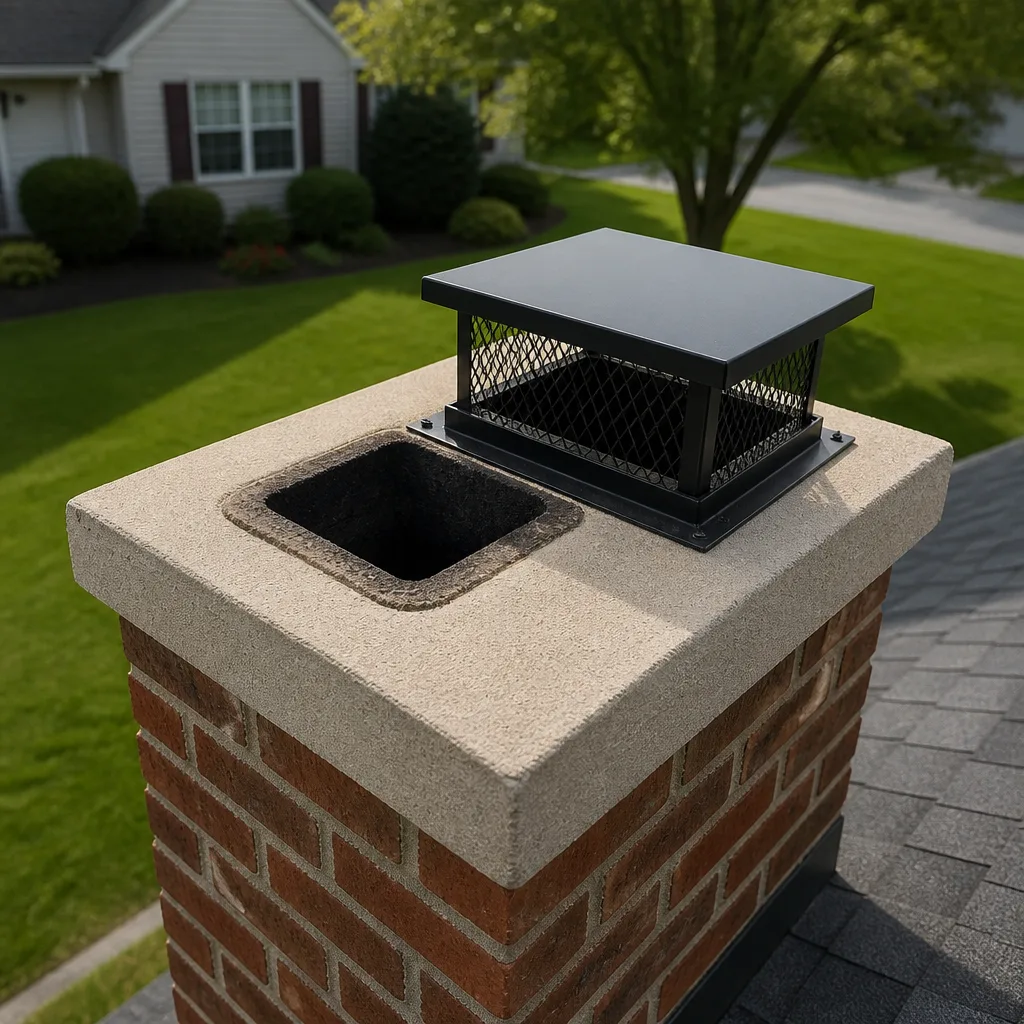
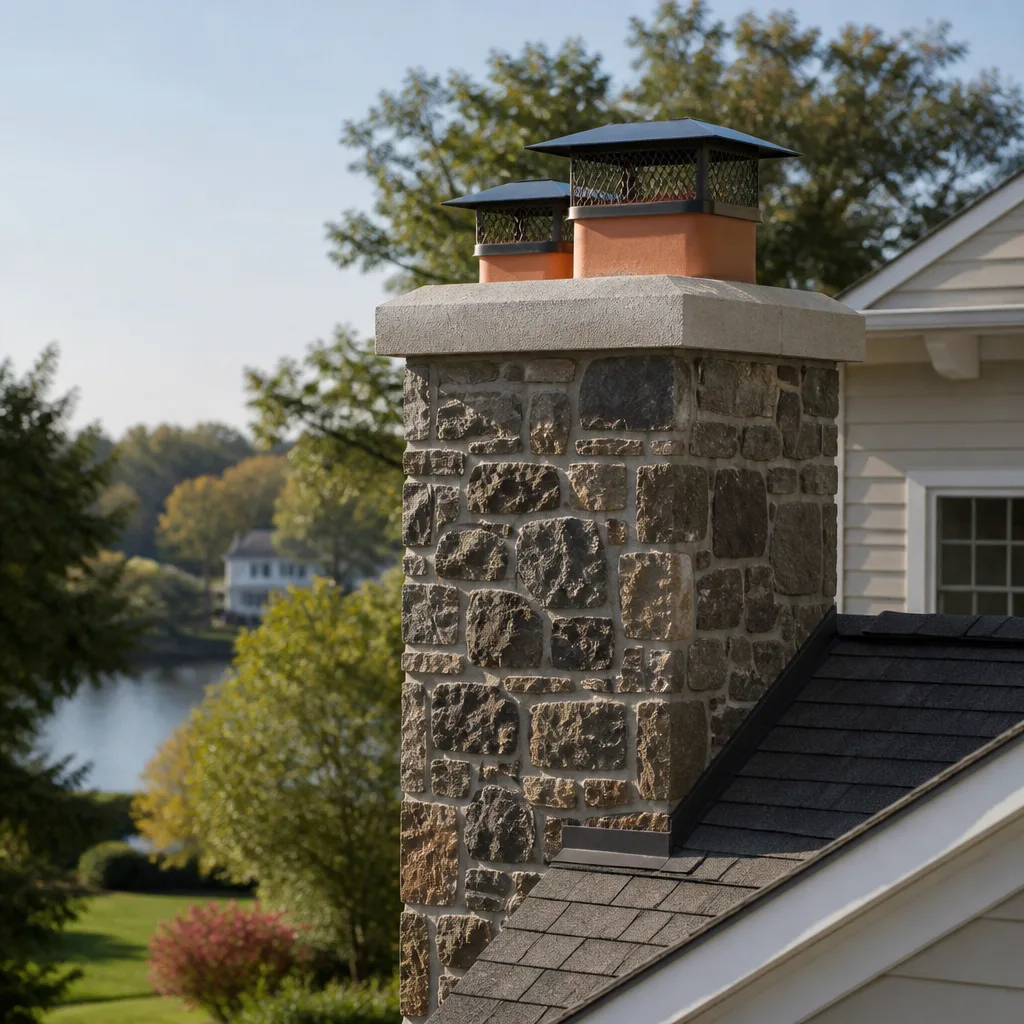
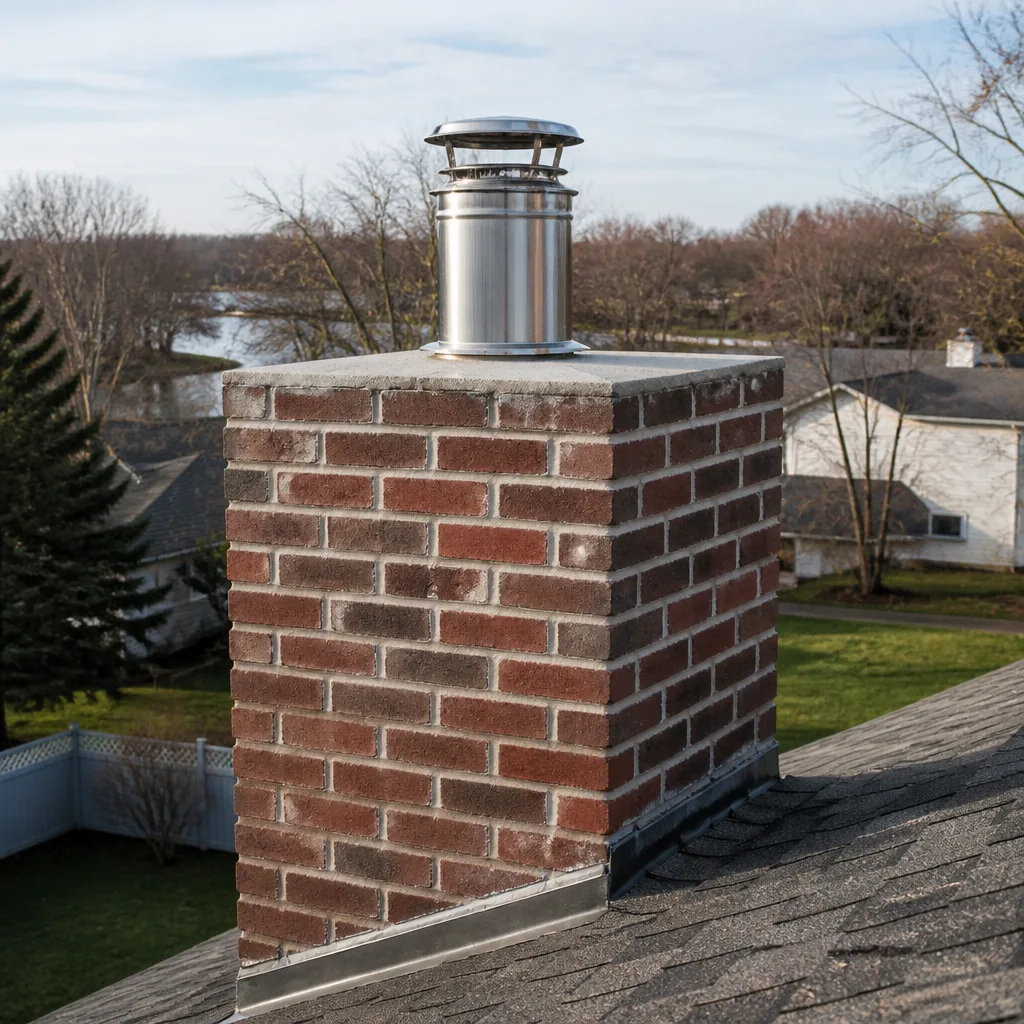
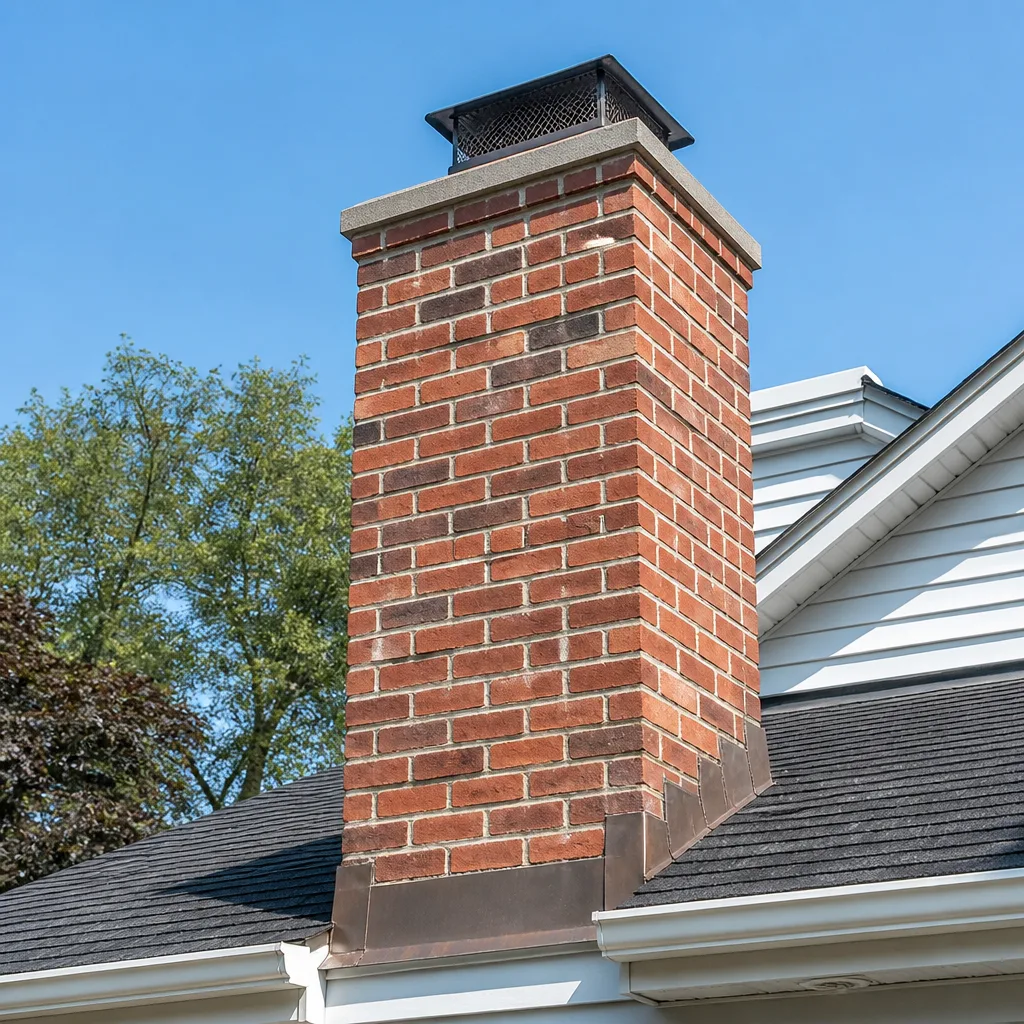
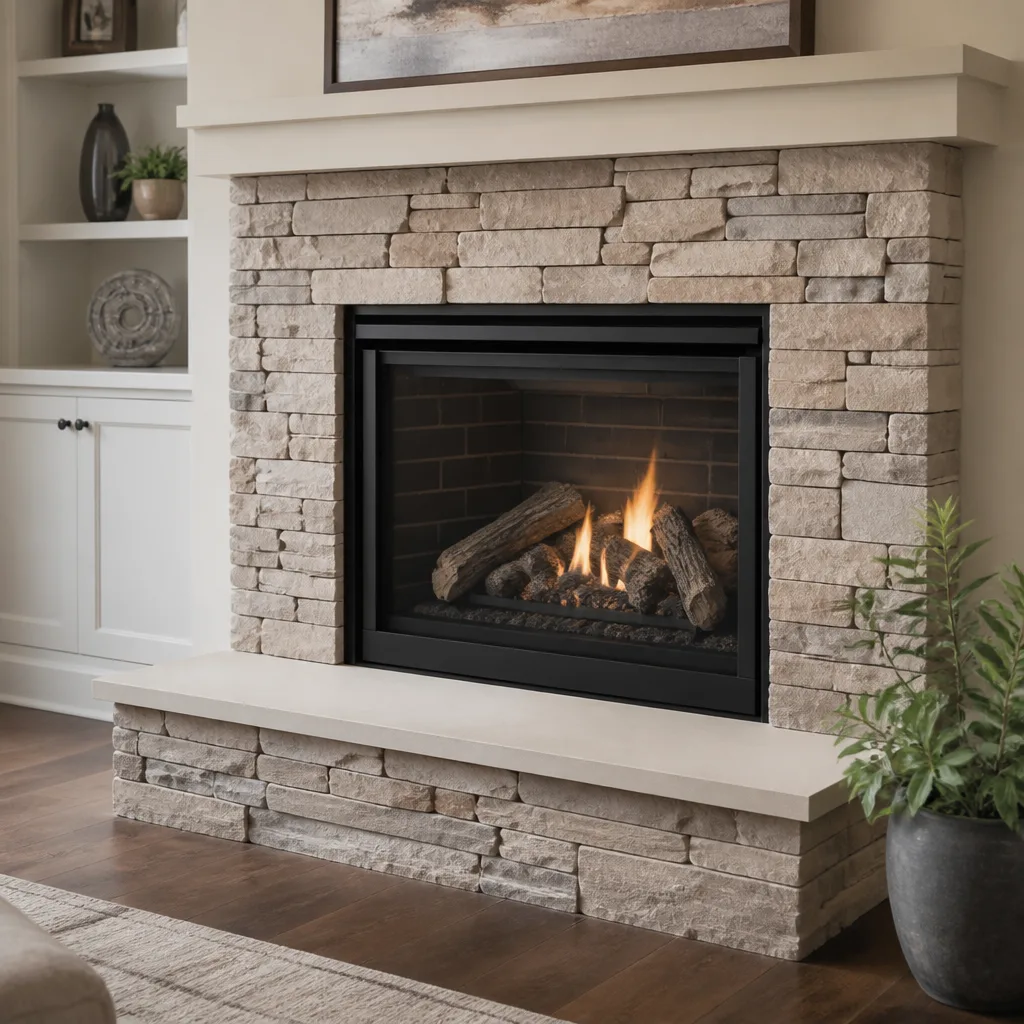
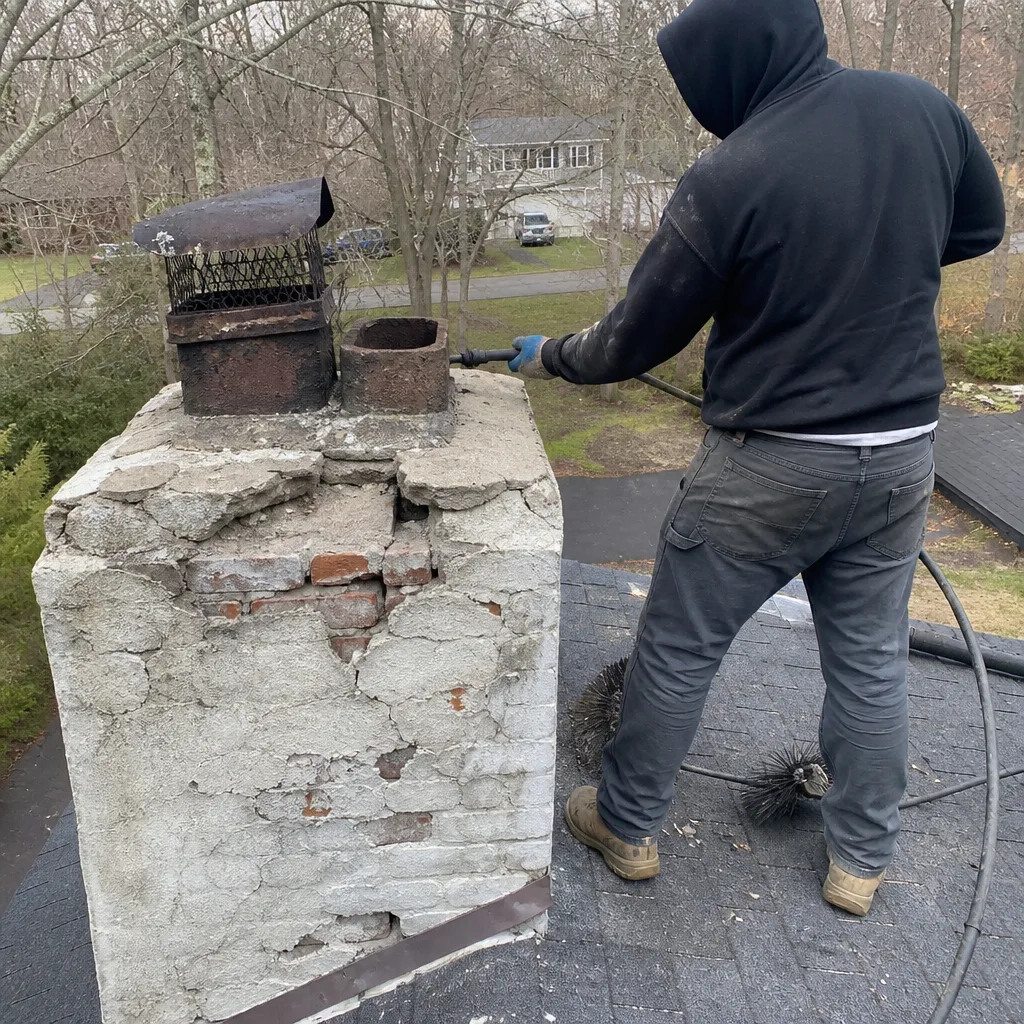 Before
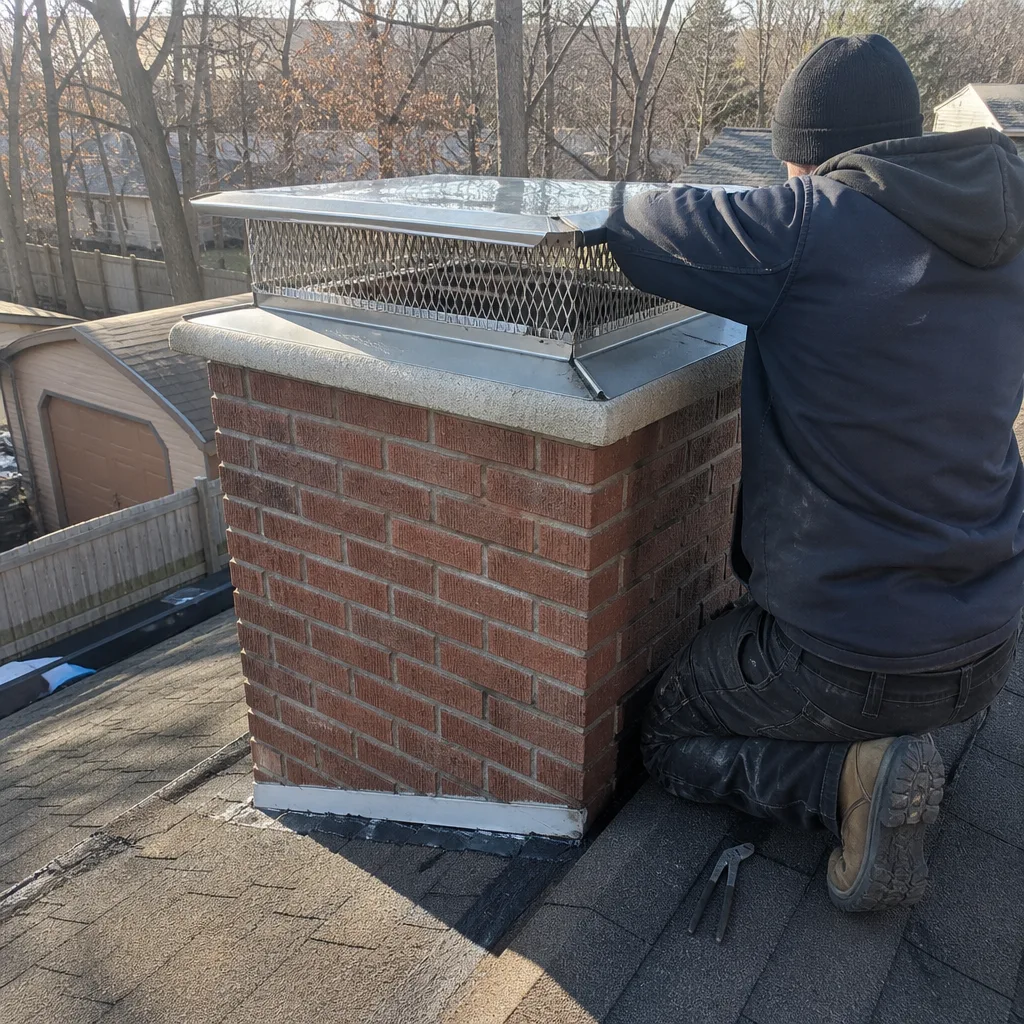 After
After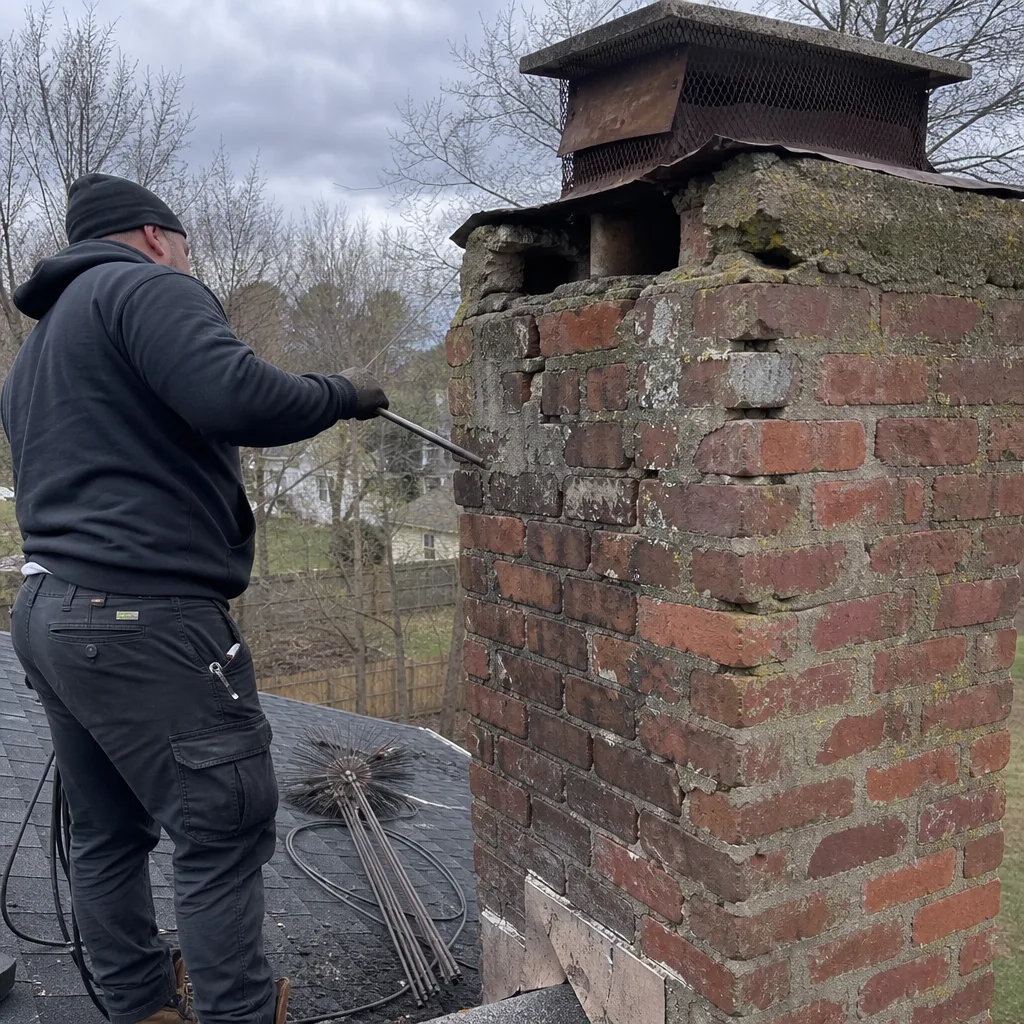 Before
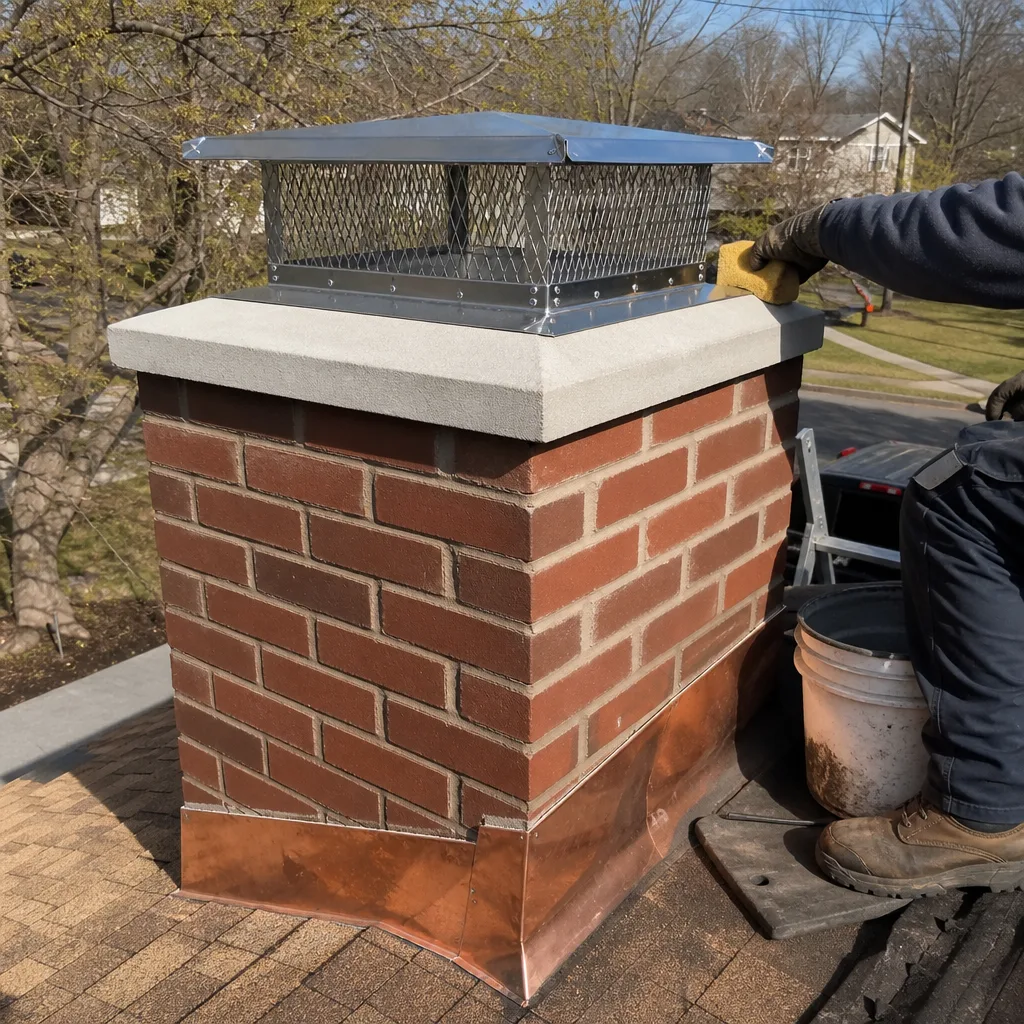 After
After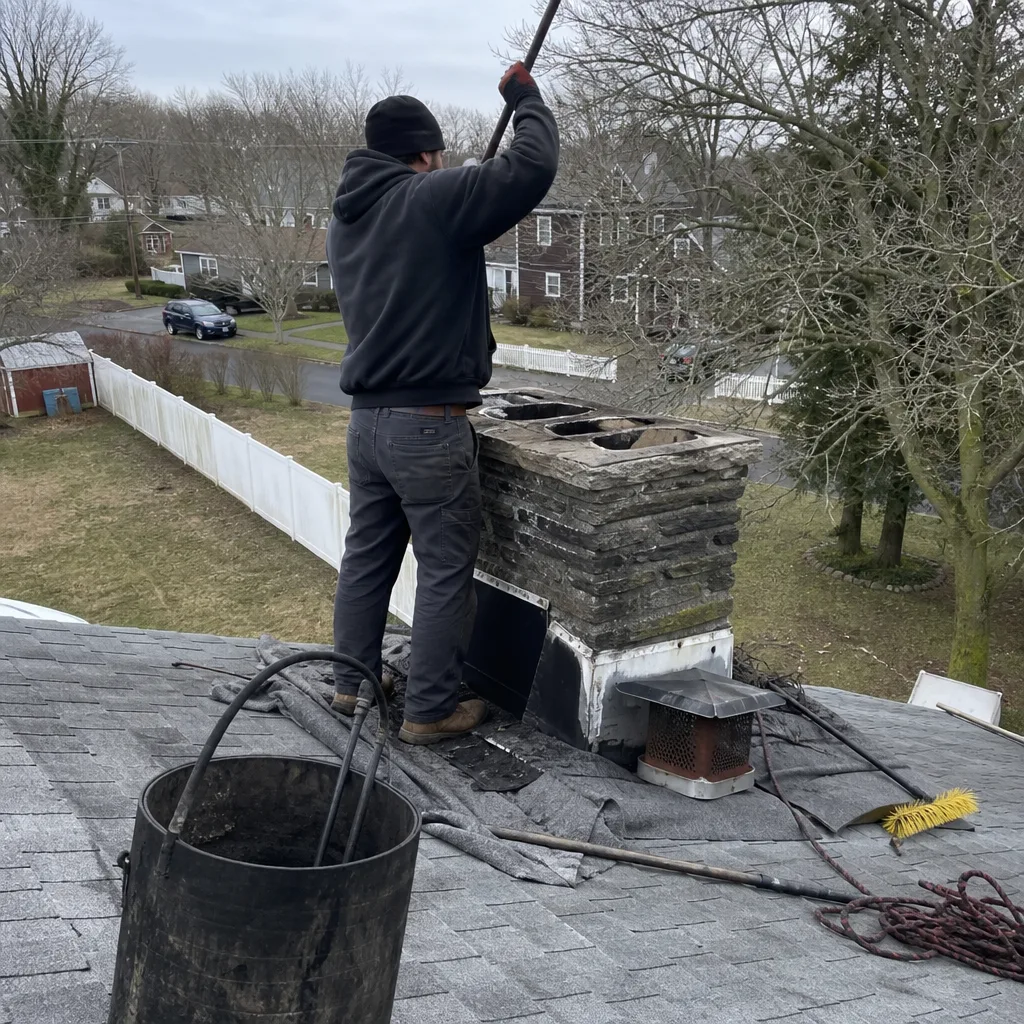 Before
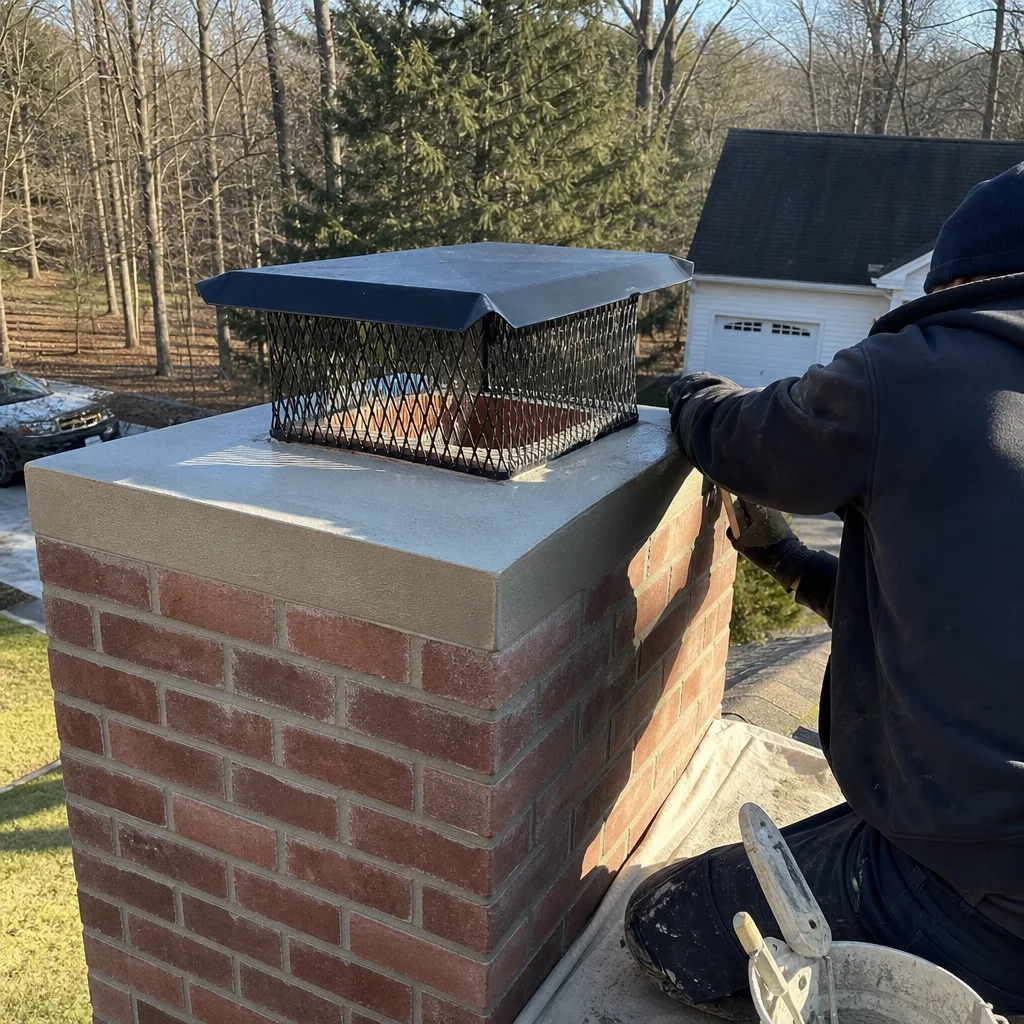 After
AfterHow to Hire a Chimney Cleaning Contractor in Smithtown: A Step-by-Step Guide
In New York State, anyone with a van and a set of brushes can legally call themselves a chimney sweep tomorrow. There is no state license requirement for chimney cleaning - which shifts the entire burden of qualification onto the homeowner asking the right questions. This guide gives Smithtown homeowners a repeatable vetting process built around verifiable facts, not sales pitches, with more guides & resources available on our blog. You’ll learn the four questions that separate qualified professionals from dangerous amateurs, how to verify insurance independently, and why a written scope with photo documentation is the only protection against inflated repair bills.
Quick Answer
To hire a chimney cleaning contractor in Smithtown, verify CSIA or NFI certification, request a current certificate of liability insurance and confirm it directly with the insurer, demand a written scope of work with itemized pricing before any work begins, and insist on photo documentation of all findings. Skip any contractor who resists these four steps.
Table of Contents
- Why Chimney Sweep Qualification Matters More in New York
- The Four Questions to Ask Before Scheduling - and the Answers That Disqualify
- How to Verify Insurance Without Accepting a Photocopy
- What a Written Scope of Work Must Include
- The Difference Between a Guarantee and a Written Warranty
- How to Spot Scare Tactics and Legitimate Repair Recommendations
- Smithtown-Specific Considerations: Climate, Codes, and Common Issues
- Common Mistakes to Avoid
- When to Call a Professional
- Frequently Asked Questions
- The Bottom Line
Why Chimney Sweep Qualification Matters More in New York
New York is one of the states with the lightest regulatory touch on chimney services. There is no state-level license, no continuing education mandate, no inspection of tools or vehicles. A contractor can print business cards this morning and be in your Smithtown driveway this afternoon. The consumer protection falls to county and municipal levels, and in Suffolk County, that protection is thin.
This matters because chimney work carries real risk. A damaged flue liner can vent carbon monoxide into living spaces. Creosote buildup exceeding one-eighth inch can ignite at 451 degrees Fahrenheit. A chimney fire in a Smithtown colonial on a January night can spread to attic framing before the homeowner smells smoke. The stakes are structural and medical, yet the barrier to entry is nearly zero.
We’ve seen the aftermath. In our 42 years serving Suffolk County, Hearthstone Chimney Co. has been called to correct work done by operators who left flue obstructions in place, who installed incompatible liner materials, who swept from the bottom only and never inspected the crown. The homeowner saved $80 on the sweep and spent $4,200 on the repair. Some discovered the problem when smoke backed up into the nursery. Others found it when a home inspector flagged it during a sale, forcing a rushed repair with no time to vet a second contractor.
The absence of state licensing means your vetting process is the only quality control. The steps below are not excessive. They are the minimum due diligence that replaces a regulatory framework other trades take for granted. Plumbers in New York carry state licenses. Electricians do. Chimney sweeps do not. What follows is how you protect yourself in that gap.
The Four Questions to Ask Before Scheduling - and the Answers That Disqualify
Every contractor conversation should cover these four areas. A qualified professional answers without hesitation. A disqualified one deflects, delays, or responds with hostility. Record the answers. Compare them.
Question 1: Are you certified by CSIA, NFI, or an equivalent body?
The Chimney Safety Institute of America (CSIA) and the National Fireplace Institute (NFI) are the two credentialing bodies with rigorous examination and continuing education requirements. CSIA certification requires passing a 100-question exam on codes, clearances, and combustion science, plus annual continuing education units. NFI certification specializes in gas and pellet appliance venting. Either credential demonstrates that the technician has been tested on knowledge, not merely observed in practice.
Disqualifying answer: “I’ve been doing this twenty years, I don’t need a piece of paper.” Experience without tested knowledge is not credentialing. Building codes change. Liner materials evolve. Combustion science advances. A technician who has not sat for examination in two decades may be working from obsolete understanding.
How to verify: Ask for the certification number. CSIA maintains a public verification tool at csia.org. NFI verification is available through nficertified.org. Check it while the contractor is on the phone. A legitimate credential takes sixty seconds to confirm.
Question 2: Will you provide a current certificate of liability insurance?
General liability insurance protects you if a technician damages your roof, your interior, or a neighbor’s property. Workers’ compensation insurance protects you if a technician is injured on your property. In New York, a homeowner can be held liable for uninsured worker injuries under certain circumstances.
Disqualifying answer: “I’m fully insured, don’t worry about it.” Or: “I’ll bring it on the day of the job.” Insurance verification must happen before scheduling. The certificate should name the contractor’s business exactly as it appears on their estimate, show coverage dates that include your scheduled service, and list coverage limits of at least $1 million per occurrence.
Question 3: Will you provide a written scope of work with itemized pricing before beginning?
Verbal quotes create disputes. “You said $200” meets “I said $200 for the sweep, $400 for the inspection” with no resolution. A written scope prevents this. It also prevents scope creep, where a simple sweep expands mid-job into unplanned repairs.
Disqualifying answer: “I can’t tell you until I see it.” A contractor can estimate a standard sweep and inspection with reasonable accuracy. Conditional pricing for discovered issues is fine - “If the flue liner is cracked, repair would be $X additional” - but the baseline must be fixed in writing.
Question 4: Will you document all findings with photos and provide a written report?
Photo documentation is your protection against upselling. A crack in a flue liner, spalling brick, or deteriorated crown should be photographed and shown to you. The report should explain what was found, what it means for safety and function, and what options exist for correction.
Disqualifying answer: “Trust me, it needs to be done.” Any finding that justifies additional expense must be visible. A technician who cannot or will not show you the problem is asking for faith that the trade does not earn by default.
At Hearthstone Chimney Co., our chimney cleaning and sweep service in Smithtown includes Level-2 camera inspection with photos the homeowner can see and a plain-English verdict. We’ve found that documentation ends disputes before they start. A homeowner who sees a cracked flue tile understands the recommendation. A homeowner told to trust a stranger’s word rightfully resists.
How to Verify Insurance Without Accepting a Photocopy
A certificate of insurance is a document, and documents can be altered, backdated, or forged. The only reliable verification comes from the insurer itself. Here’s how to do it in five minutes.
- Request the certificate directly from the contractor. Ask for a PDF or faxed copy sent to you, not shown on a phone screen. The certificate should show the insurer’s name, policy number, named insured (the contractor’s exact business name), coverage types and limits, and effective and expiration dates.
- Call the insurer’s certificate holder verification line. Major insurers maintain dedicated phone lines for this purpose. The number appears on the certificate. Have the policy number and named insured ready. Ask: “Is this policy currently in force? Does it include general liability and workers’ compensation? What are the coverage limits?”
- Request that you be named as certificate holder. This costs the contractor nothing and generates a fresh certificate directly from the insurer to your address or email. It eliminates any question of document integrity. A contractor who refuses this simple step is hiding something.
- Check coverage dates against your service date. Policies lapse. A certificate valid through March does not cover work scheduled for April. Verify that coverage extends through your appointment window.
- Confirm the named insured matches the business name on your estimate. A certificate in a personal name rather than a business name, or in a different business name than appears on the truck, is a red flag. It may indicate the contractor is operating under someone else’s policy, which creates coverage disputes if a claim arises.
In Suffolk County, we’ve encountered contractors using certificates from out-of-state insurers with no New York claims presence. We’ve seen certificates with coverage limits of $100,000 - inadequate for a chimney fire that spreads to a roof. We’ve seen expired certificates presented as current. The five-minute verification call prevents all of this.
If a contractor becomes irritated by your verification request, that irritation is information. Qualified professionals expect this question. They maintain current certificates precisely because homeowners should ask. The contractor who treats verification as an insult has something to protect, and it is not your interests.
What a Written Scope of Work Must Include
A proper scope of work is a contract element that prevents the most common disputes in chimney service: what was included, what was extra, and what the total cost would be. Before any technician touches your chimney in Smithtown, you should have a document containing these elements.
- Exact service description. “Chimney sweep and Level-2 inspection” is specific. “Annual service” is not. The scope should state whether the service includes fireplace, furnace, or both flues; whether it includes interior and exterior inspection; and whether it includes debris removal and area protection.
- Itemized pricing with line items. Each service should carry its own price. Sweep: $X. Inspection: $Y. If applicable, cap installation: $Z. This prevents the common tactic of bundling a questionable charge into a single opaque number.
- Conditional pricing for likely additional work. “If flue liner repair is needed: $X-$Y depending on length and diameter.” This sets expectations and prevents sticker shock. It also allows you to research whether the price is market-appropriate.
- Payment terms. When payment is due, what forms are accepted, and whether a deposit is required. For standard sweeps, payment on completion is standard. For larger repairs, a structured payment schedule is normal.
- Cancellation and rescheduling policy. Weather in Smithtown can turn. A scope should address how rescheduling works and whether fees apply.
- Warranty or guarantee terms in writing. See the next section for why this matters and how to demand it.
Verbal quotes fail in three predictable ways. First, the homeowner remembers $250 and the contractor remembers $350. Second, the contractor discovers “additional problems” mid-job and the homeowner has no baseline to evaluate whether the add-on is legitimate. Third, the completed invoice bears no resemblance to the phone conversation, and the homeowner pays under pressure to get the technician off the property.
A written scope with itemized line items solves all three. At Hearthstone Chimney Co., our no-hassle upfront pricing means the number on the estimate is the number on the invoice. We put it in writing before we schedule because we have no interest in disputes after the fact. A square deal: no surprises on the bill.
The Difference Between a Guarantee and a Written Warranty
These terms sound interchangeable. They are not. Understanding the distinction protects you from hollow promises.
A satisfaction guarantee is a marketing phrase with no legal definition. It means, in practice, “call us if you’re unhappy and we’ll discuss it.” It has no time limit, no specific remedy, and no enforcement mechanism. A contractor offering a satisfaction guarantee has made a commitment to conversation, not to correction.
A written, time-bound warranty is a contractual obligation. It specifies: what is covered, for how long, what the contractor will do if the condition recurs, and how to invoke it. “Our liner installations are warranted against defects in materials and workmanship for 20 years. If a DuraFlex liner fails due to manufacturing defect or improper installation, we will repair or replace at no charge. Invoke by calling our office with your invoice number.”
The difference is structural. A warranty creates accountability. A guarantee creates goodwill without obligation.
When evaluating a chimney contractor in Smithtown, ask these specific questions:
- “What exactly does your warranty cover - materials, labor, or both?”
- “What is the duration - one year, five years, lifetime?”
- “What do I do if I believe a warranted condition has occurred?”
- “Will you provide this in writing on company letterhead before work begins?”
A contractor who answers clearly and provides written terms is demonstrating accountability. A contractor who speaks of “standing behind our work” without specifics is offering sentiment in place of structure.
Hearthstone Chimney Co.’s chimney repair work in Smithtown is covered by the 90-Day Done Right Promise - the Keystone Standard - in writing with no arguing. If it’s not done right, we make it right. The terms are specific: ninety days from invoice date, any defect in workmanship, we return and correct at no charge. No paperwork to find, no manager to escalate, no argument about whether the issue is “covered.” Krafted right, Every time, Your home first, Standing behind it. That’s the K.E.Y.S. code, and it’s how we’ve operated since 1984.
How to Spot Scare Tactics and Legitimate Repair Recommendations
The chimney trade has a reputation for upselling, earned by operators who use carbon monoxide and chimney fire risk to pressure homeowners into immediate, expensive work. Distinguishing legitimate safety concerns from manufactured urgency requires understanding what findings actually mean.
Legitimate findings that require action
- Cracked or missing flue tiles visible on camera inspection. These allow heat and combustion gases to reach combustible framing. Repair or relining is necessary before use.
- Creosote glazing exceeding one-eighth inch. Glazed creosote is concentrated fuel. It cannot be removed by standard brushing and requires chemical treatment followed by mechanical removal.
- Deteriorated mortar joints in the smoke chamber. This condition allows heat transfer to framing members and requires parging with approved refractory material.
- Spalling brick with exposed interior surface. Water infiltration has compromised the masonry. Left unaddressed, it accelerates and can require partial rebuild.
Red flags that suggest scare tactics
- Urgency without documentation. “Your chimney is a fire hazard and you can’t use it tonight” should be accompanied by photos, a clear explanation of the specific defect, and a written scope with time to consider. Immediate pressure to decide is a sales technique, not a safety protocol.
- Recommendations without inspection access. A contractor who has not run a camera the full length of the flue cannot diagnose liner condition. A contractor who has not accessed the roof cannot evaluate crown condition. Recommendations without access are guesses sold as certainty.
- Bundle pricing that obscures line items. “The whole system needs to be rebuilt for $8,500” without breakdown of labor, materials, and individual components prevents you from comparing or questioning.
- Claims that insurance or the town requires immediate work. Verify any such claim independently. Smithtown Building Department does not dispatch chimney contractors. Your insurance company communicates directly with you, not through a sweep.
The non-negotiable protection is photo documentation. Every finding that justifies expense must be visible to you. At Hearthstone, our Level-2 camera inspections end with photos you can see and a plain-English verdict. We explain what we found, what it means, what options exist, and what can safely wait. Some conditions require immediate attention. Others can be monitored annually. The difference matters, and we document it so you can decide with full information.
Smithtown-Specific Considerations: Climate, Codes, and Common Issues
Smithtown’s location on the North Shore of Long Island creates specific conditions that affect chimney performance and contractor selection, as detailed in our Seasonal Chimney Cleaning Care for Smithtown: Year-Round Homeowner’s Guide. Understanding these local factors helps you evaluate whether a contractor understands your home’s environment.
Marine climate and freeze-thaw cycles. Smithtown experiences humid summers and cold, wet winters with frequent freeze-thaw cycles. Water absorbed into brick and mortar expands when frozen, accelerating spalling and mortar deterioration. Chimneys in neighborhoods near the water - Nissequogue, St. James, the Landing - see this more severely than inland areas. A contractor who does not ask about your home’s proximity to the water or its exposure to prevailing winds may not understand your maintenance needs.
Older housing stock. Much of Smithtown was built between 1950 and 1985. Chimneys from this era often have unlined flues or clay tile liners that have deteriorated with age. Homes in the historic districts near Main Street may have original masonry from the early 20th century, requiring specialized repointing with compatible lime mortar rather than modern Portland cement. A contractor who applies one solution to all ages of construction is applying ignorance.
Suffolk County fuel conversion history. Many Smithtown homes converted from oil to natural gas in the 1990s and 2000s. Gas combustion produces water vapor that condenses in cooler flues, accelerating liner deterioration. A flue sized for oil may be oversized for gas, causing condensation and draft problems. Contractors should inspect for this condition and understand the sizing requirements for your current appliance.
Local permit requirements. Chimney liner replacement and structural repairs in Smithtown require permits from the Smithtown Building Department; for broader context, see Chimney Cleaning Permits, Codes & Inspections in NY: What You Need to Know. A contractor who suggests working without permits is exposing you to liability and potential sale complications. Verify permit status before work begins.
Seasonal timing. The optimal sweep window in Smithtown is spring through early fall, before the burning season begins. Fall appointments book quickly. A contractor who is unavailable until November may be legitimate and simply busy, but waiting until peak season limits your ability to get second opinions on recommended repairs.
We’ve served Smithtown since 2014, and Russell Haines has inspected chimneys in every neighborhood from Kings Park to Nesconset. The conditions vary block by block, and a local understanding matters for accurate diagnosis.
Common Mistakes to Avoid
- Hiring based on lowest price alone. In Smithtown, sweep prices range widely. The lowest bid often excludes inspection, omits debris protection, or uses unverified subcontractors. The $129 sweep that discovers $3,400 in “required” repairs was never $129.
- Accepting verbal estimates for repair work. A contractor who will not put scope and price in writing before beginning has no intention of honoring the number discussed. Written estimates are standard protection, not an imposition.
- Neglecting to verify insurance independently. Photocopied certificates sit in glove compartments for years past expiration. The five-minute phone call to the insurer is the only verification that matters.
- Scheduling during burning season without contingency time. If your October sweep reveals liner damage, repair scheduling in peak season can delay use for weeks. Book early, or maintain a backup heating plan.
- Failing to ask about the technician who will actually arrive. Some companies send different technicians for estimates and work. Ask: “Will the person who evaluates my chimney also perform the service?” Continuity prevents miscommunication.
- Ignoring the condition of the chimney exterior. Homeowners focus on the firebox and flue, but crown deterioration and flashing gaps cause water damage that destroys chimneys from the top down. A proper inspection includes exterior evaluation.
- Assuming all certifications are equal. “Certified chimney sweep” from an online course with no proctored examination is not equivalent to CSIA or NFI. Ask which body issued the credential and verify it.
When to Call a Professional
Certain conditions require immediate professional evaluation, not scheduled maintenance. Call a qualified chimney contractor if you notice smoke entering your living space, a strong odor of creosote or burning material when the fireplace is not in use, visible cracks in interior firebrick, white staining (efflorescence) on exterior masonry indicating water saturation, or debris or animal nesting sounds from the flue. These conditions can indicate blockages, structural compromise, or active water damage that worsens with delay.
For routine maintenance, the National Fire Protection Association recommends annual inspection and cleaning as needed based on use. In Smithtown, where many homeowners burn seasonally from November through March, scheduling in September or October allows time to address findings before cold weather arrives.
Hearthstone Chimney Co. offers free estimates in Smithtown. Our fireplace services in Smithtown include inspection, sweep, and repair with documented findings and no-hassle upfront pricing. Call (631) 814-2057 to schedule. A live person answers every call, 24 hours a day, 7 days a week.
Frequently Asked Questions
A standard chimney sweep and Level-2 inspection in Smithtown typically ranges from $200 to $350, depending on flue count, accessibility, and whether the service includes interior and exterior evaluation - see our Chimney Cleaning Cost Breakdown: The Smithtown Homeowner’s Reference for 2026 for full pricing factors. Prices below $150 often exclude meaningful inspection or use unverified technicians. Call (631) 814-2057 for an exact quote - estimates are free.
You need a new liner if the existing liner is cracked, missing sections, or improperly sized for your current heating appliance - conditions documented by camera inspection, not assumed. Some liners can be repaired with HeatShield refractory sealant if damage is limited. Others require full replacement with stainless steel or DuraFlex lining systems. The determination requires visual evidence you can see yourself. Call (631) 814-2057 for an inspection with photo documentation.
The National Fire Protection Association recommends annual inspection for all chimneys, with cleaning frequency based on creosote accumulation. For wood-burning fireplaces used regularly during Smithtown’s heating season, annual sweeping is typical. Gas and oil systems require less frequent cleaning but still need annual inspection for venting integrity and condensation damage. Call (631) 814-2057 to schedule your annual service.
Skipped maintenance leads to creosote accumulation that increases fire risk, undetected liner damage that can vent carbon monoxide into living spaces, water infiltration that destroys masonry from the top down, and minor conditions that become major repairs. In Smithtown’s freeze-thaw climate, water damage accelerates rapidly. The cost of prevention is consistently lower than the cost of repair. Call (631) 814-2057 for a free estimate.
Verify CSIA or NFI certification directly with the issuing body, confirm liability insurance with the insurer rather than accepting a photocopy, demand a written scope with itemized pricing, and insist on photo documentation of all findings. New York has no state license for chimney work, so these four steps are your only protection. Call (631) 814-2057 to speak with a verified, insured contractor.
Basic brush cleaning from the bottom is possible for straightforward fireplace flues, but it does not replace professional inspection with camera documentation. Most Smithtown homes have multiple bends, offset flues, or heating appliance connections that require specialized equipment. More importantly, DIY cleaning provides no documentation for insurance, home sale, or warranty purposes. For safe, documented service, call (631) 814-2057.
The Bottom Line
Hiring a chimney cleaning contractor in Smithtown requires active verification because New York provides no regulatory shortcut. The four questions - certification, insurance verification, written scope, and photo documentation - separate qualified professionals from dangerous amateurs. Insurance confirmed directly with the insurer, not from a photocopy. Pricing itemized in writing, not delivered verbally. Findings shown, not merely described. These standards are not excessive. They are the minimum that replaces a licensing framework other trades provide automatically.
The contractor who meets these standards without resistance is demonstrating the transparency that characterizes legitimate craft. The contractor who resists, deflects, or pressures is providing information just as valuable - information about who to avoid.
Done right - and we stand behind it. That’s the standard we’ve maintained for over 42 years.
Written by Russell Haines, Owner at Hearthstone Chimney Co., serving Smithtown since 2014.