
Level 1 sweep and inspection to the NFPA 211 annual standard - flue, crown, cap, and flashing checked and photographed
Chimney sweep logs do not sweep chimneys. They loosen some creosote - which then falls where a brush and vacuum still have to collect it.
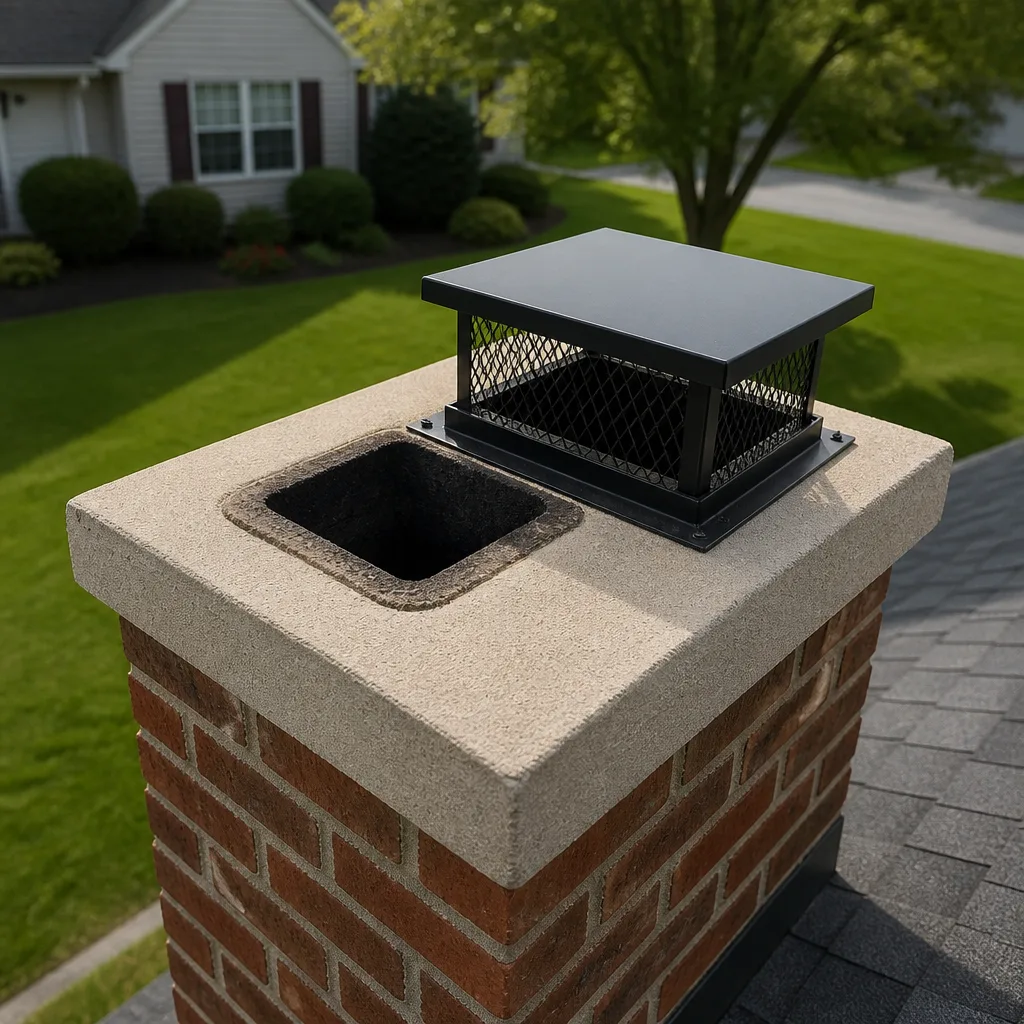
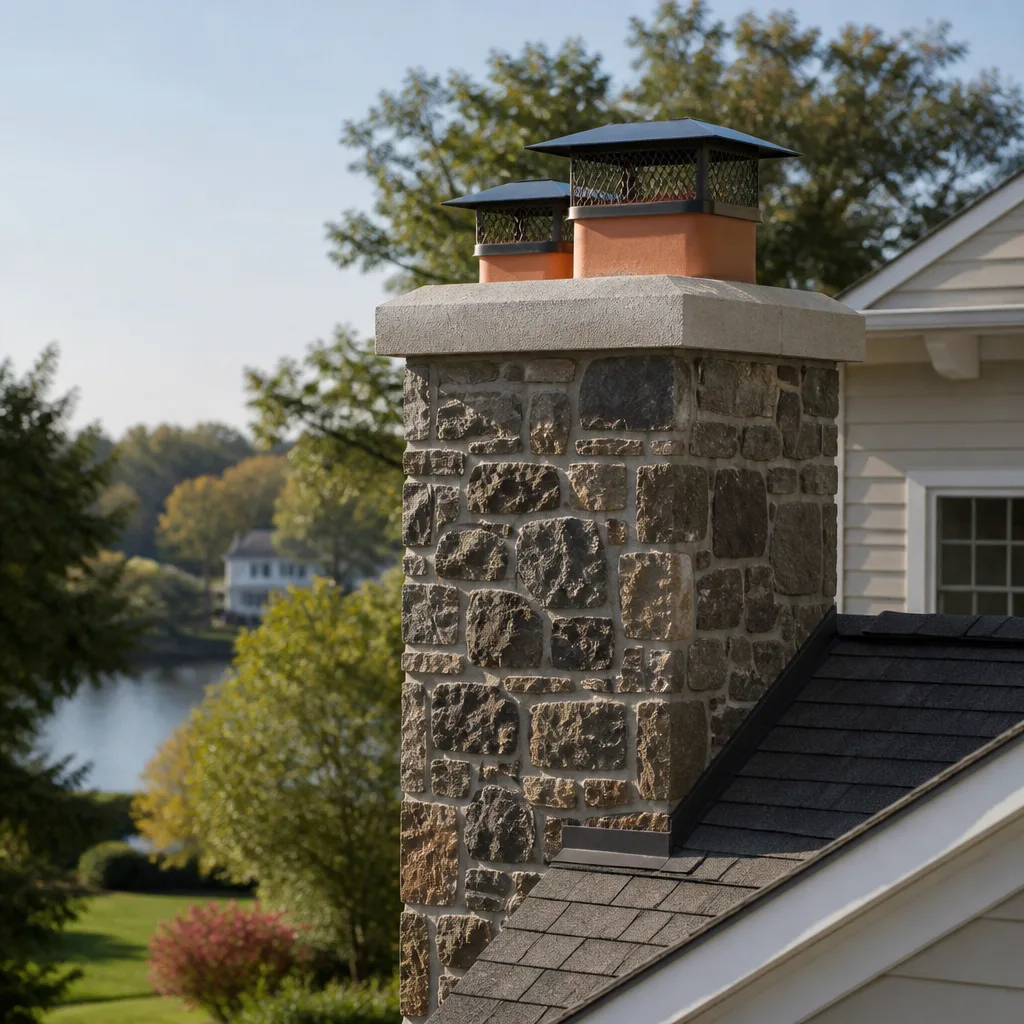
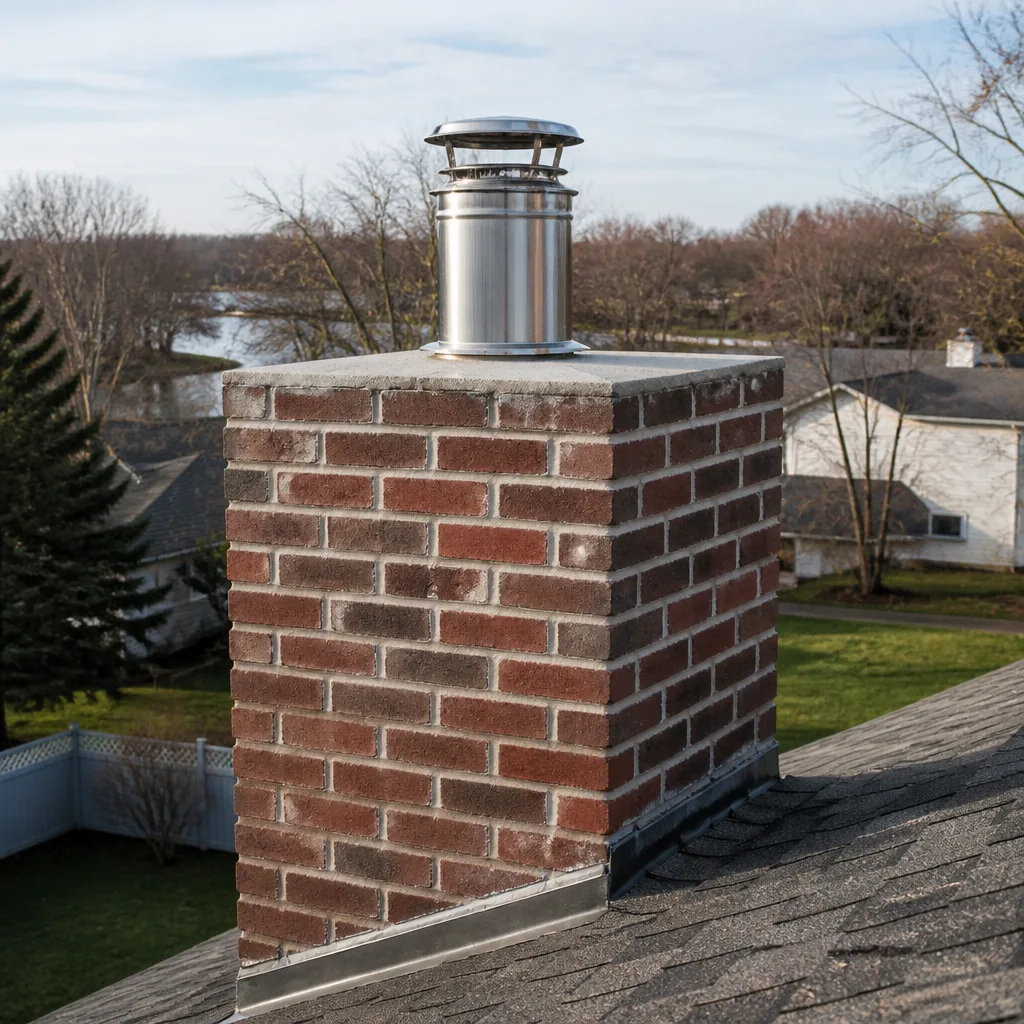
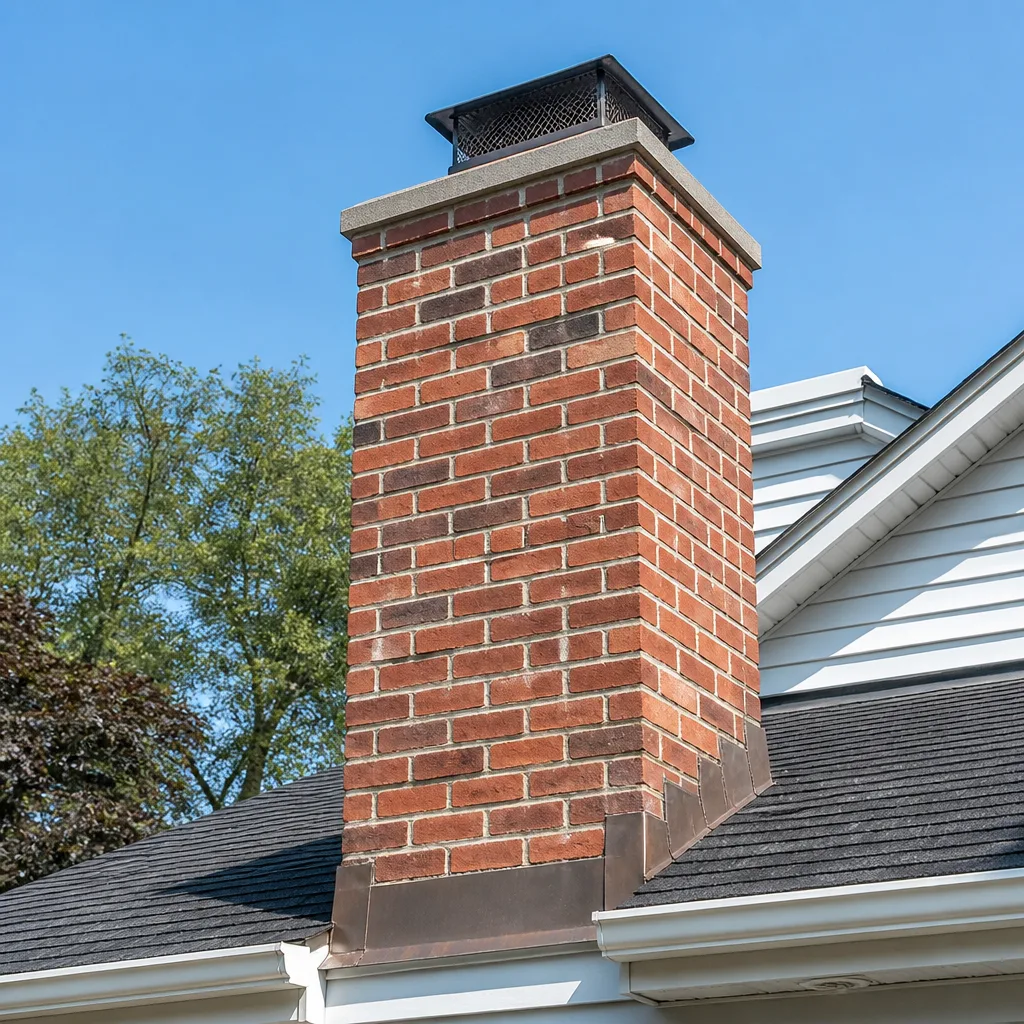
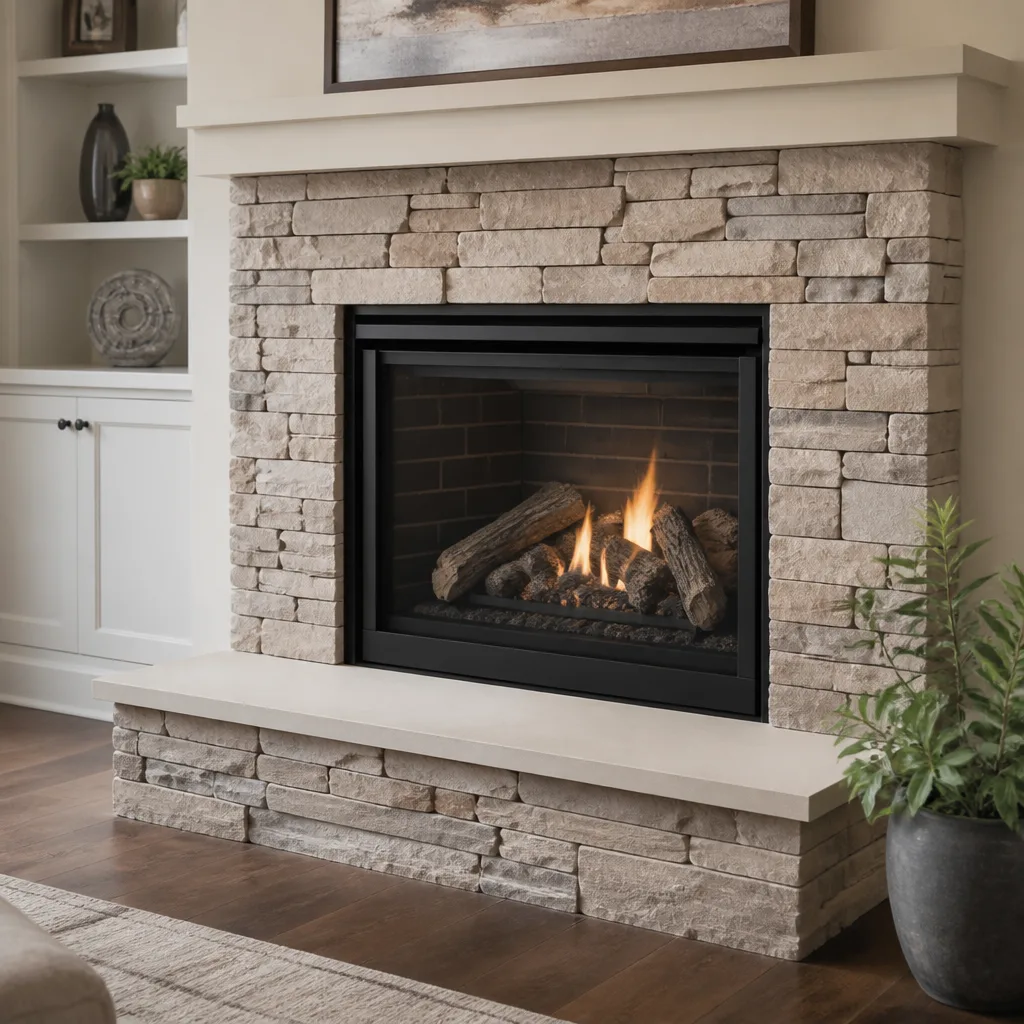
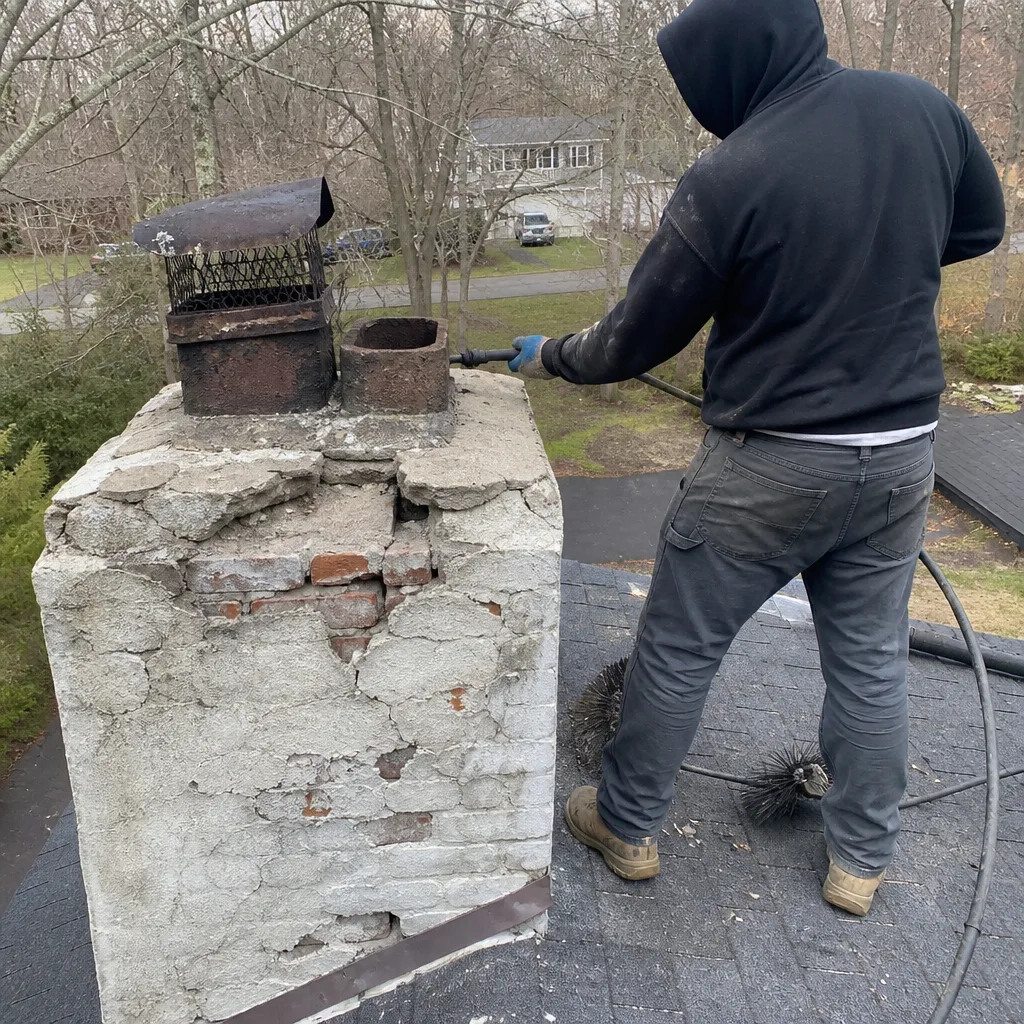 Before
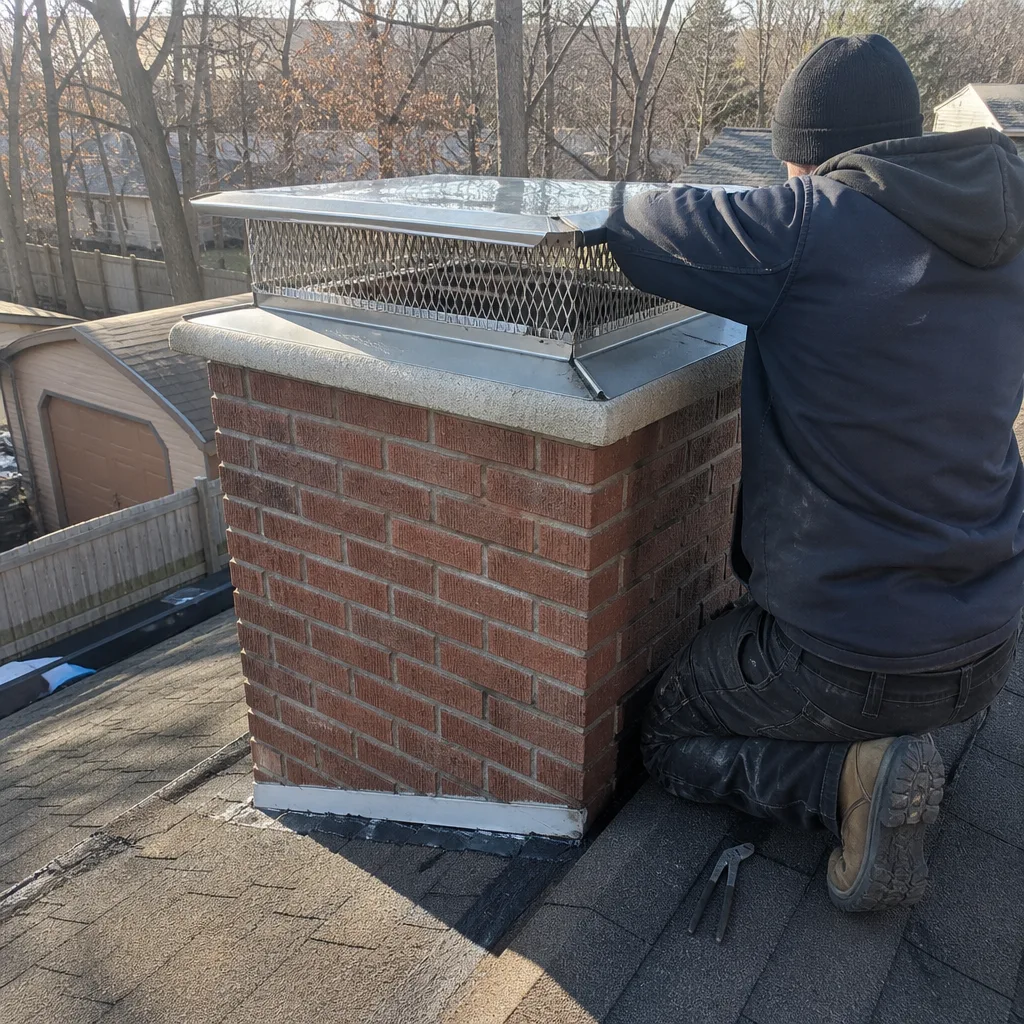 After
After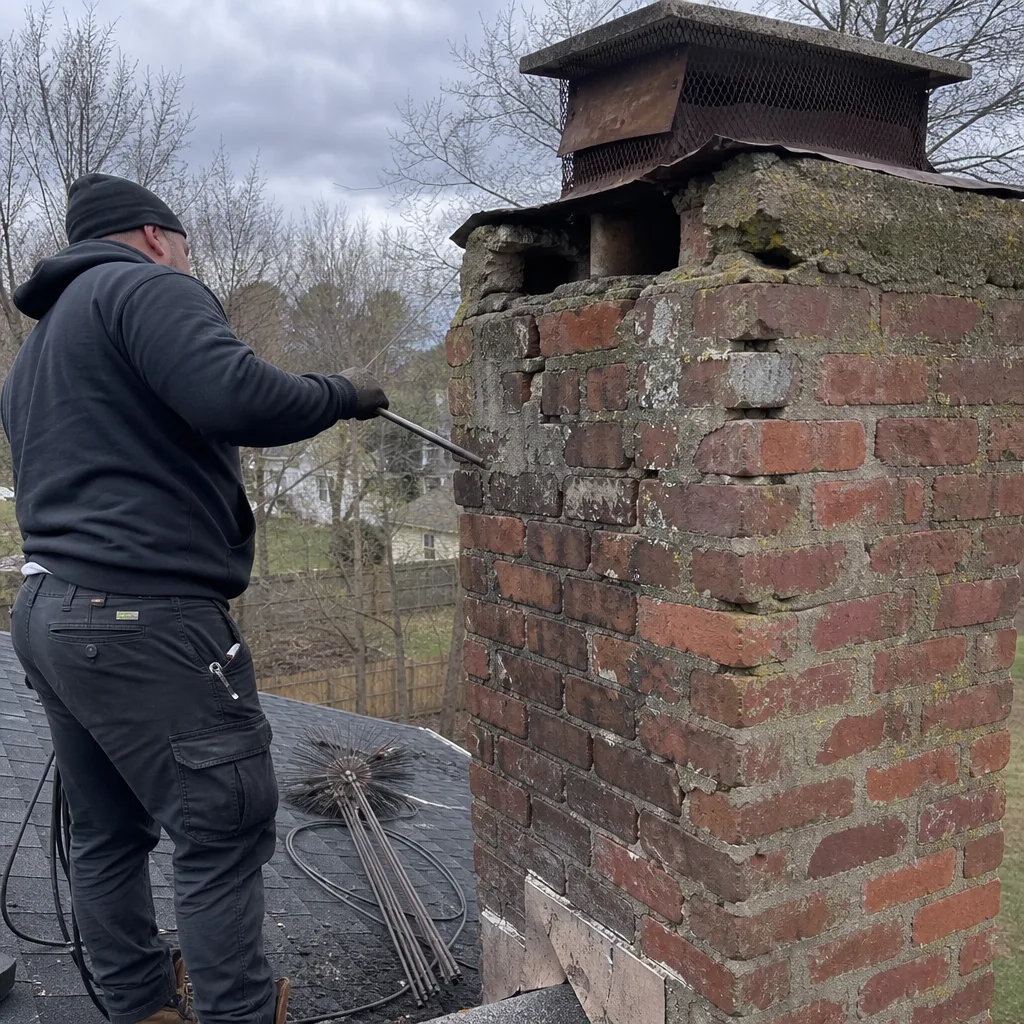 Before
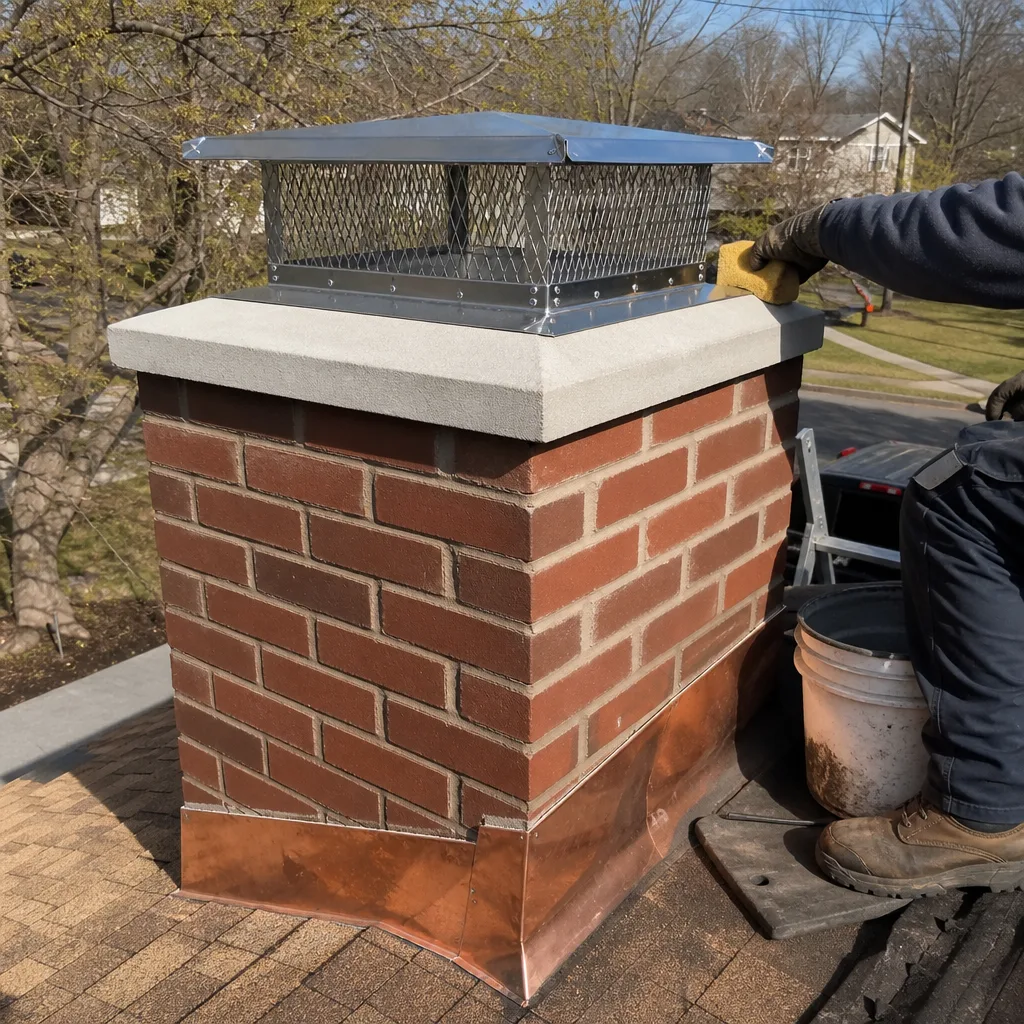 After
After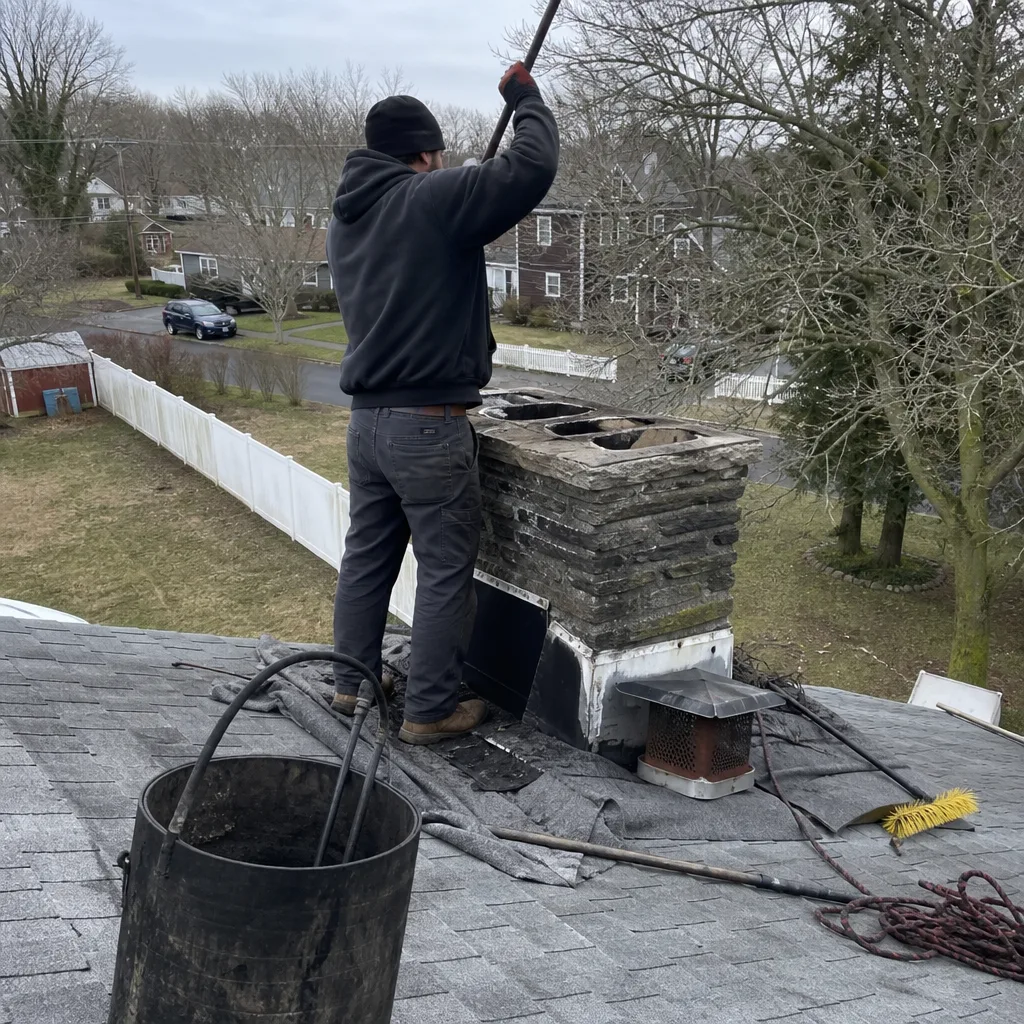 Before
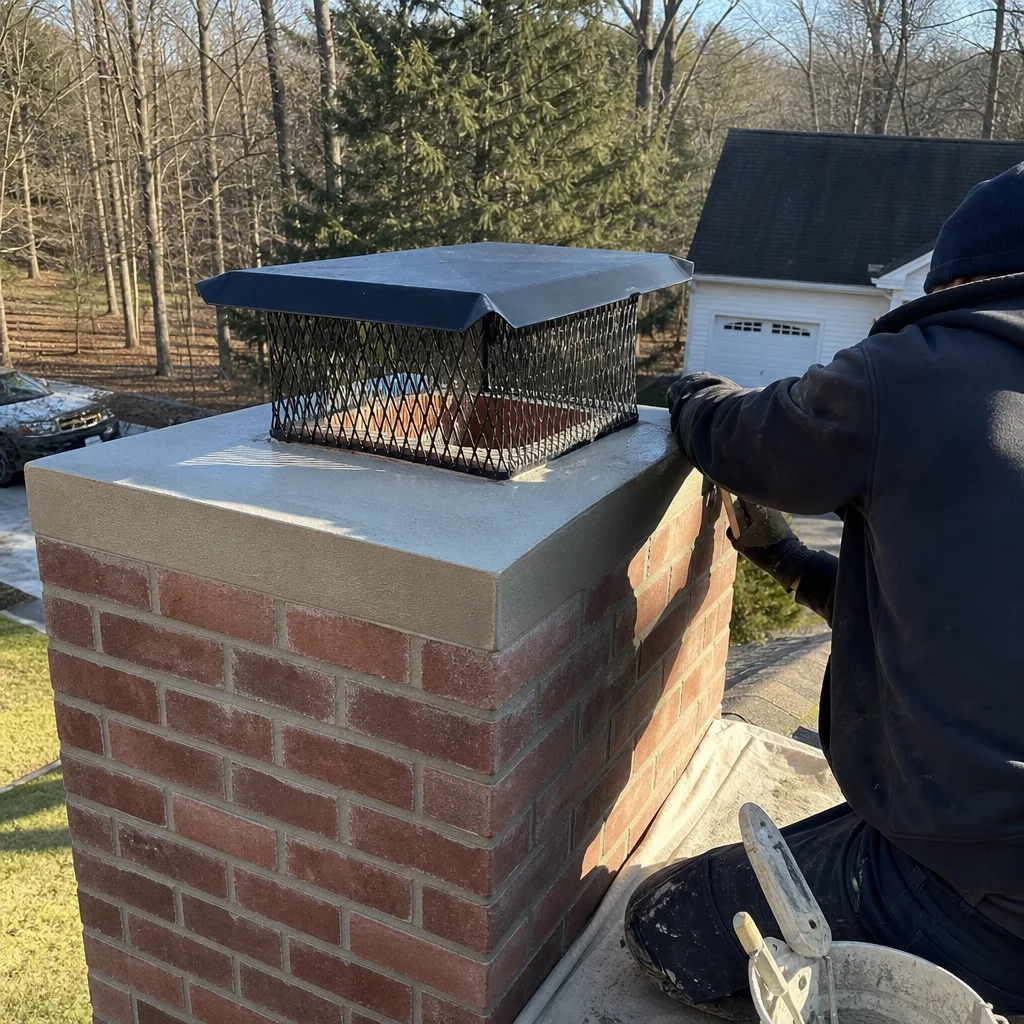 After
AfterSoot Removal in Smithtown, NY
How Much Does Chimney Cleaning & Sweep Cost? (2026 Price Guide) - Smithtown, NY shows that soot removal in Smithtown typically runs between $149 and $349, depending on how much buildup is present and whether your flue needs a full Level-2 camera inspection afterward. Most jobs are finished in a single visit, and our technicians leave your firebox and surrounding area clean before they go.
Soot is the fine, powdery black carbon that settles on every interior surface of your chimney system every time you burn a fire. Unlike creosote, which bonds hard to the flue liner and demands chemical treatment, soot is more loosely packed – but don’t let that fool you. Left alone through a Smithtown winter, soot accumulates into a dense, acidic layer that corrodes mortar joints, blocks airflow, and turns a healthy chimney into a smoke problem. We’ve been removing it from Long Island homes since 1984, and the ones that avoid expensive repairs are almost always the ones that got this handled first.
Our Chimney Cleaning & Sweep in Smithtown service covers the full system – firebox, smoke chamber, damper, and flue – but when soot is the primary issue, we target it directly with professional-grade equipment and Copperfield brushes and rods that are built for this work, not borrowed from a hardware store. Call (631) 814-2057 and a live person will pick up, day or night.
When You Need Soot Removal
Most Smithtown homeowners don’t think about soot until they notice something wrong. By then, a season or two of buildup is already working against them. Here are the situations where soot removal stops being optional:
- Your fireplace smokes back into the room. Soot buildup narrows the flue opening and disrupts the draft that pulls combustion gases up and out. If smoke curls into your living room when you open the damper, restricted airflow from soot accumulation is one of the first things we check.
- You smell something off – even when the fireplace is cold. A sour, stale, or acrid odor during humid Suffolk County summers is often soot and moisture reacting inside the flue. Smithtown’s proximity to Long Island Sound means humidity levels stay high well into October, which accelerates this process.
- You haven’t had the chimney cleaned in more than a year. The National Fire Protection Association recommends an annual inspection and cleaning. One cord of wood burned through a Smithtown winter is enough to leave a meaningful soot layer behind.
- You’re seeing black staining on the firebox walls or the fireplace surround. Surface staining outside the firebox indicates that soot is migrating – which means the flue has more than it can contain during normal use.
- You’re about to fire up the fireplace for the first time after summer. Soot left sitting through a warm, humid Long Island summer absorbs moisture and forms a mildly acidic paste that begins attacking the mortar behind the liner. Cleaning it before the first fall fire is the right order of operations.
- A new owner, a new tenant, or a home purchase. We see this regularly in older Smithtown and Hauppauge neighborhoods – homes that change hands without a chimney inspection. The previous owner’s burning habits are unknown, and soot from years of use can be waiting inside.
Our Soot Removal Process
We don’t show up with a brush and call it done. Every soot removal visit follows a defined sequence, because soot that gets stirred but not fully captured ends up on your furniture and your lungs instead of our bags.
- Firebox and fireplace prep. Before anything is disturbed, we lay drop cloths across your hearth and seal the firebox opening with a dust barrier. Your living room stays clean. This is not a small detail – soot is fine enough to travel through a room on a draft, and we treat your home the way we’d want a tradesman to treat ours.
- Top-down inspection before cleaning begins. Our technician photographs the flue cap, crown, and visible portions of the liner from the roofline before any brush passes through. If there’s something structural to know about – cracked liner sections, mortar joint erosion, deteriorated flashing – you’ll see it in photos before we do anything else. That’s the plain-English verdict we promise every customer.
- Mechanical soot removal with professional-grade equipment. We work from the top of the flue down using Copperfield brushes sized to your specific liner diameter. Soot is loosened, captured, and directed into our HEPA-filtered vacuum system below. Nothing escapes into the room.
- Smoke chamber and smoke shelf cleaning. The smoke shelf sits directly above the damper and collects a surprising amount of soot, debris, and the occasional nest brought in by birds or squirrels – both common in the wooded Nissequogue and Head of the Harbor areas of Smithtown. We clean this shelf thoroughly because neglecting it makes everything below it worse.
- Post-cleaning Level-2 camera inspection (when warranted). If the preliminary photographs or the cleaning itself reveals anything that raises a question – heavy staining in one section, an unexpected obstruction, liner surface concerns – we run a Level-2 camera inspection so you can see exactly what’s there. You get the photos. You get a plain explanation. You decide what to do next, with full information.
- Cleanup and close-out walk-through. We pack out everything we brought in. Before we leave, the technician walks you through what was found, what was done, and whether anything needs attention on a future visit. Upfront pricing means the number we quoted is the number on the invoice – no additions at the door.
Soot Removal Pricing in Smithtown
Soot removal in Smithtown costs between $149 and $349 for most residential fireplace systems. Here’s what moves the number up or down:
| Situation | Typical Range |
|---|---|
| Single-flue fireplace, light to moderate soot | $149 – $199 |
| Single-flue fireplace, heavy soot or long-neglected system | $200 – $279 |
| Soot removal with Level-2 camera inspection included | $249 – $349 |
| Multi-flue systems (common in larger older homes in St. James and Commack) | Quoted per flue |
Three factors account for most price variation. First, the depth of the soot layer – a chimney that’s gone two or three seasons without cleaning takes more time and more passes to clear properly. Second, access: rooflines with steep pitch or complex cap configurations require more setup. Third, whether structural issues discovered during the visit call for a camera inspection that wasn’t anticipated upfront.
If you already have a written estimate from another company, we’ll give you a free second opinion at no charge – not to undercut, but to make sure what you’ve been told is accurate and fair. And if you’re 65 or older or a veteran, a permanent 5% discount applies to every visit, no paperwork required.
Call (631) 814-2057 for a free estimate. There’s no trip charge for the estimate, and the number we give you is the number on the bill.
What Soot Actually Does to Your Chimney Over Time
Soot is primarily carbon, but it also carries sulfur compounds and trace acids from combustion gases. When those acids sit against your mortar joints through a Smithtown winter and a humid Long Island summer – cycling through freeze and thaw cycles that Suffolk County delivers reliably every year – they accelerate the breakdown of the mortar that holds your liner and firebox together.
We’ve seen it in Smithtown’s older housing stock, the colonials and cape cods built in the 1960s and 1970s with standard clay tile liners: a decade of annual cleanings and the liner is in good shape; a decade of skipped cleanings and the mortar joints behind the tile have softened enough to let combustion gases migrate into the surrounding masonry. That’s not a soot cleaning job at that point. That’s a relining discussion.
The $149 cleaning now or the $2,000 liner repair in four years is an honest way to frame it. We don’t say it to pressure anyone. We say it because it’s what the numbers show after 42 years of work in this area.
All our soot removal work falls under the 90-Day Done Right Promise. If something doesn’t hold up – if a flue we cleaned starts presenting the same symptoms within ninety days – we come back and make it right. In writing, no arguing. That’s the standard Russell Haines built this company around when he started it in 1984, and it hasn’t changed.
Why Smithtown Homes Deal With Soot Differently Than Other Areas
Smithtown’s housing mix is worth understanding if you own a fireplace here. The township spans a wide range of home ages, from mid-century ranch homes in the Kings Park area to newer construction near Hauppauge, and the chimney conditions we encounter reflect that range. Older clay-tile-lined systems accumulate soot differently than stainless steel-lined systems, and the wood types burned on Long Island – primarily oak and cherry, often purchased from local roadside suppliers and not always properly seasoned – contribute to faster soot buildup than fully dried hardwood would.
Unseasoned or partially seasoned wood burns cooler. A cooler burn produces more soot per cord than a hot, clean fire from dry hardwood. We see this pattern consistently in the Nesconset and Hauppauge areas, where homeowners buy wood in bulk in the fall and burn it within weeks. There’s nothing wrong with the wood – it just needs more time before it’s ready to burn cleanly. In the meantime, the flue pays the price.
We’re not here to lecture anyone about firewood. We’re here to keep the chimney in front of you functioning the way it should. But understanding why Smithtown chimneys accumulate soot faster than some other areas helps explain why an Annual Sweep is more than a precaution here – it’s maintenance that earns its cost.
FAQs – Soot Removal
How often does a Smithtown fireplace need soot removed?
Once a year is the right interval for a fireplace used regularly through the heating season. If you’re burning more than a cord of wood between October and March – which is common in older Smithtown homes without supplemental heat – twice a year is a reasonable schedule. The NFPA recommends at least one annual inspection and cleaning regardless of usage. Call (631) 814-2057 and we can help you figure out the right schedule based on how you actually use your fireplace.
Is soot dangerous? Can it cause a fire?
Soot itself is a fire risk when it accumulates in sufficient depth inside the flue or smoke chamber. As it builds up, it narrows the effective flue diameter, which raises flue temperatures and reduces the draft that carries heat safely upward. Thick soot deposits can ignite during a hot fire. Beyond the fire risk, soot’s acidic compounds corrode mortar and metal components over time, which leads to structural damage that’s expensive to correct. A licensed sweep from Chimney Cleaning & Sweep Near Me in Smithtown, NY who clears soot before it reaches that depth is the right answer – this is not a job for a homeowner with a hardware store brush kit, particularly if the flue hasn’t been inspected first.
What’s the difference between soot and creosote?
Soot is fine, loosely packed carbon from incomplete combustion – dry and powdery. Creosote is a tar-based compound that forms when wood smoke condenses on cool flue surfaces, and it bonds hard to the liner in layers that require chemical treatment and specialized tools to remove safely. Most chimneys have both. A standard soot cleaning removes the loose carbon buildup; creosote at Stage 2 or Stage 3 requires a separate treatment protocol. Our technicians assess both during every cleaning visit and tell you plainly what you have.
Can I clean soot from my chimney myself?
You can clean surface soot from the firebox walls with a stiff brush and a HEPA vacuum – that’s reasonable upkeep. The flue itself is a different matter. Without proper sealing, professional-grade equipment, and experience reading what the brush encounters, a DIY flue cleaning typically disperses soot into the room and misses the sections that matter most. More importantly, it skips the inspection that tells you whether soot is the only issue or a symptom of something structural. For the flue and smoke chamber, call a trained sweep. The visit cost is modest, and the information you get is worth more than the cleaning itself.
Key Takeaways
- Soot removal in Smithtown runs $149 to $349 for most residential systems, depending on buildup depth and whether a camera inspection is needed.
- Annual cleaning is the right interval for fireplaces used regularly through a Long Island heating season – the humidity and freeze-thaw cycles here accelerate the damage soot causes to mortar joints.
- Every Hearthstone visit starts with a photo documentation of the flue before anything is disturbed, and ends with a plain-English explanation of what was found.
- All work is covered by the 90-Day Done Right Promise – in writing, no arguing.
- A live person answers the phone at (631) 814-2057 around the clock, every day of the year.
- Senior (65+) and veteran discounts of 5% apply permanently, and a free second opinion is available on any written estimate you’ve received from another company.
Schedule Your Soot Removal in Smithtown
If your fireplace has been sitting since last spring, or if you’ve noticed smoke coming back into the room or an odor you can’t quite place, it’s worth having someone take a look before the heating season is underway. Hearthstone Chimney Co. has provided Chimney Cleaning & Sweep services in Smithtown and across Suffolk County since 1984. Russell Haines built this company on the idea that a homeowner deserves a straight answer, a clean job, and a number on the bill that matches the number on the estimate – and that’s still how every visit works.
Call (631) 814-2057 to schedule a free estimate. A live person will pick up. We’ll tell you what we find, show you the photos, and explain your options in plain language. From there, the decision is yours.
Hearthstone Chimney Co. serves Smithtown, Hauppauge, Nesconset, Kings Park, St. James, Head of the Harbor, and communities throughout Suffolk County. To learn more about our full cleaning and sweep services, visit our home page or read about everything included in a Chimney Cleaning & Sweep in Smithtown.
Written by Russell Haines, Owner at Hearthstone Chimney Co., serving Smithtown since 1984.