
Level 1 sweep and inspection to the NFPA 211 annual standard - flue, crown, cap, and flashing checked and photographed
Chimney sweep logs do not sweep chimneys. They loosen some creosote - which then falls where a brush and vacuum still have to collect it.
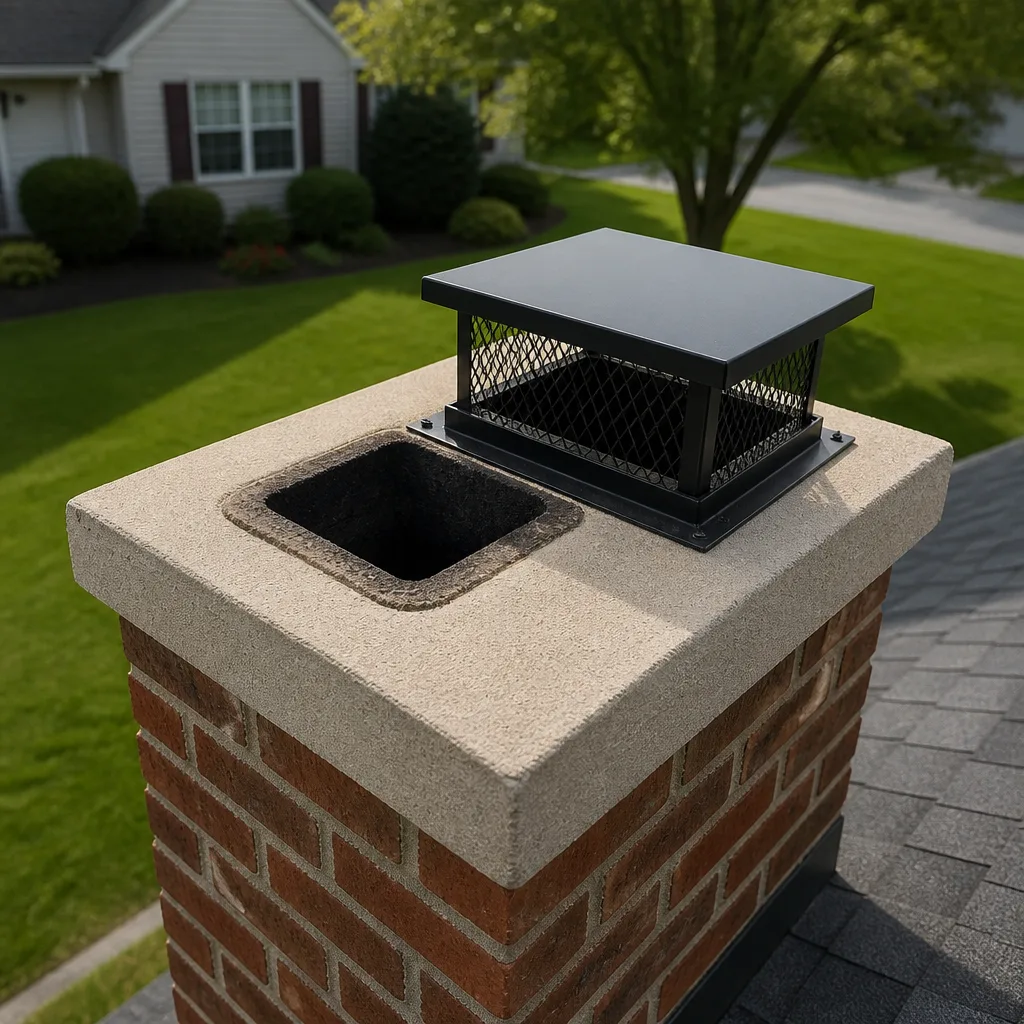
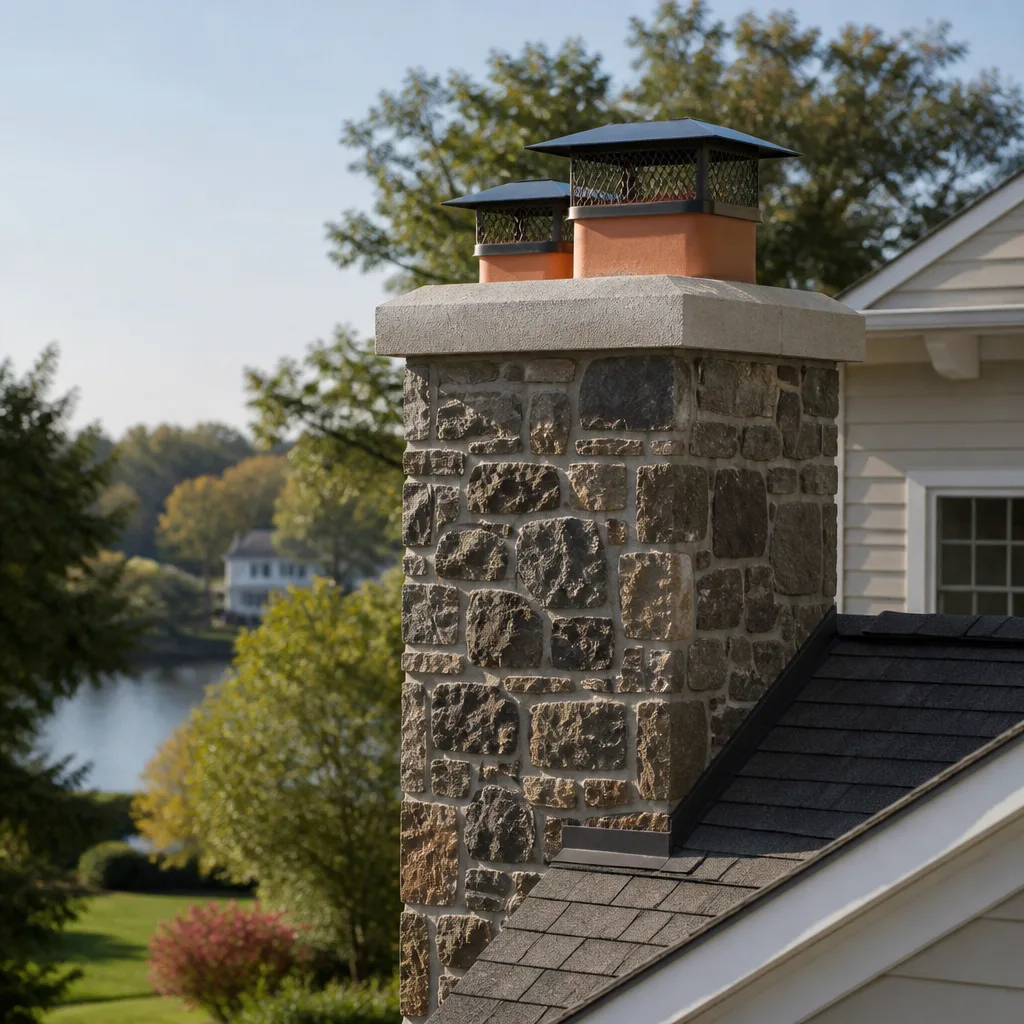
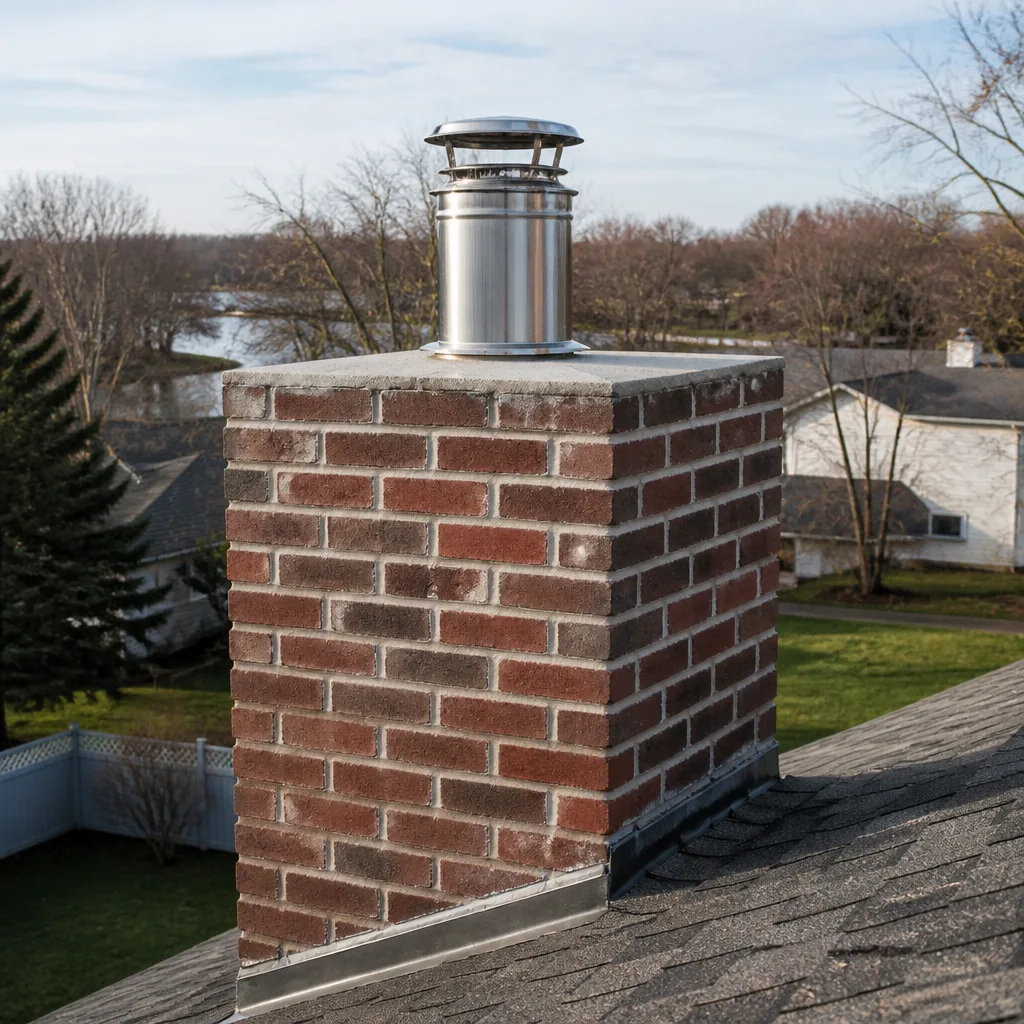
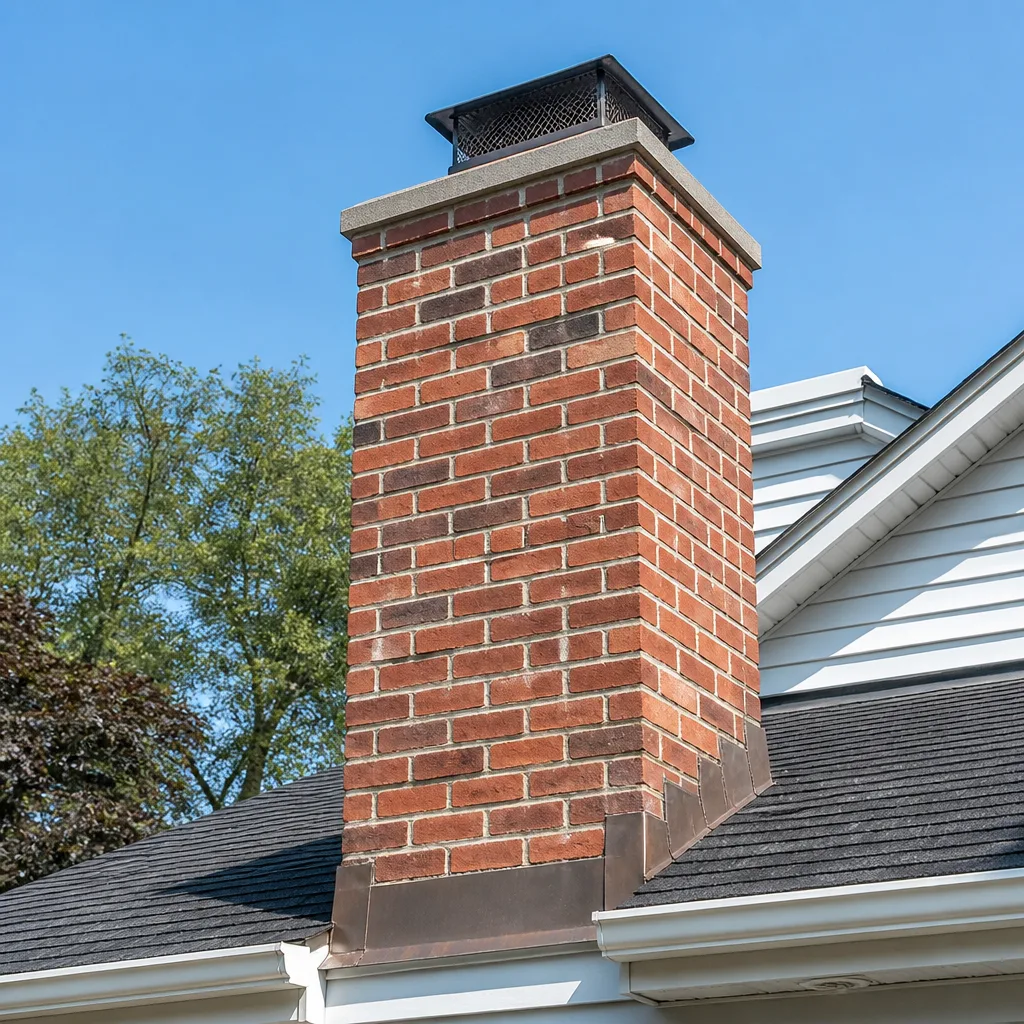
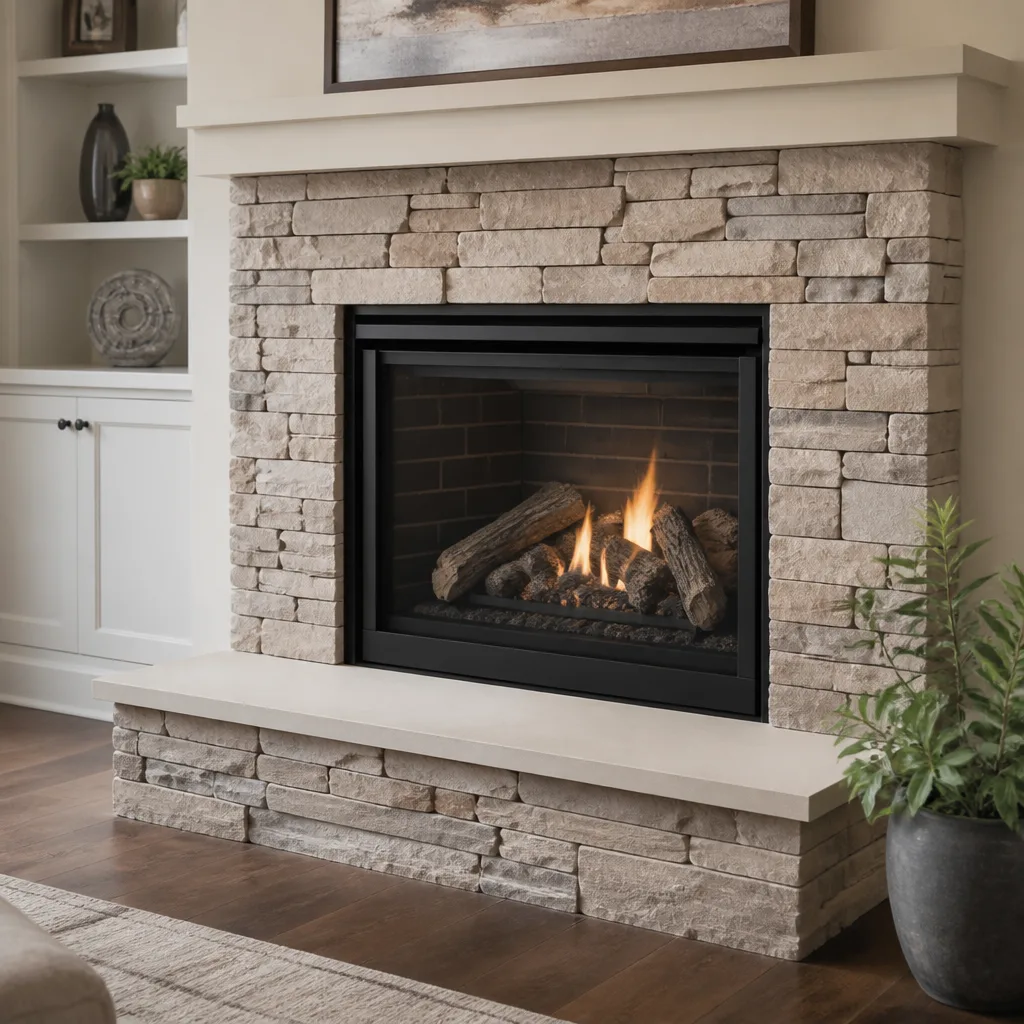
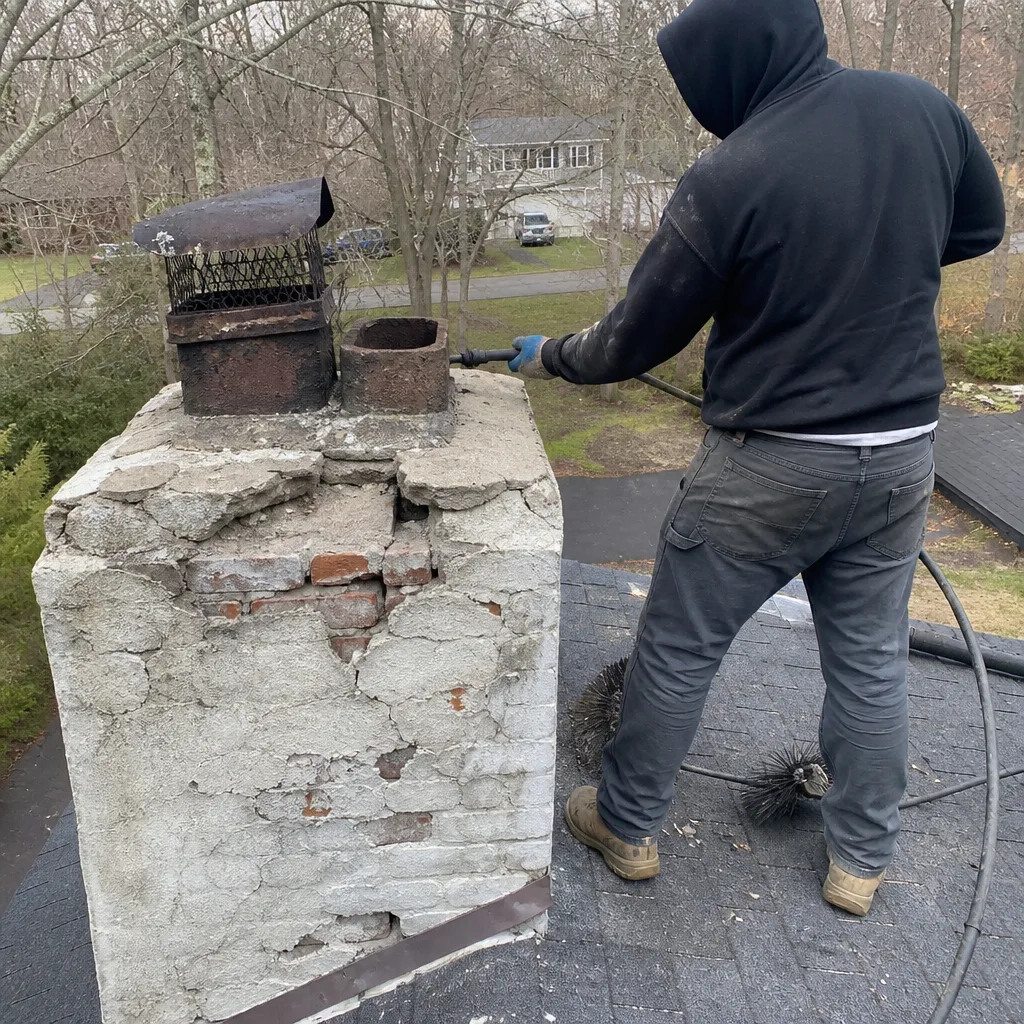 Before
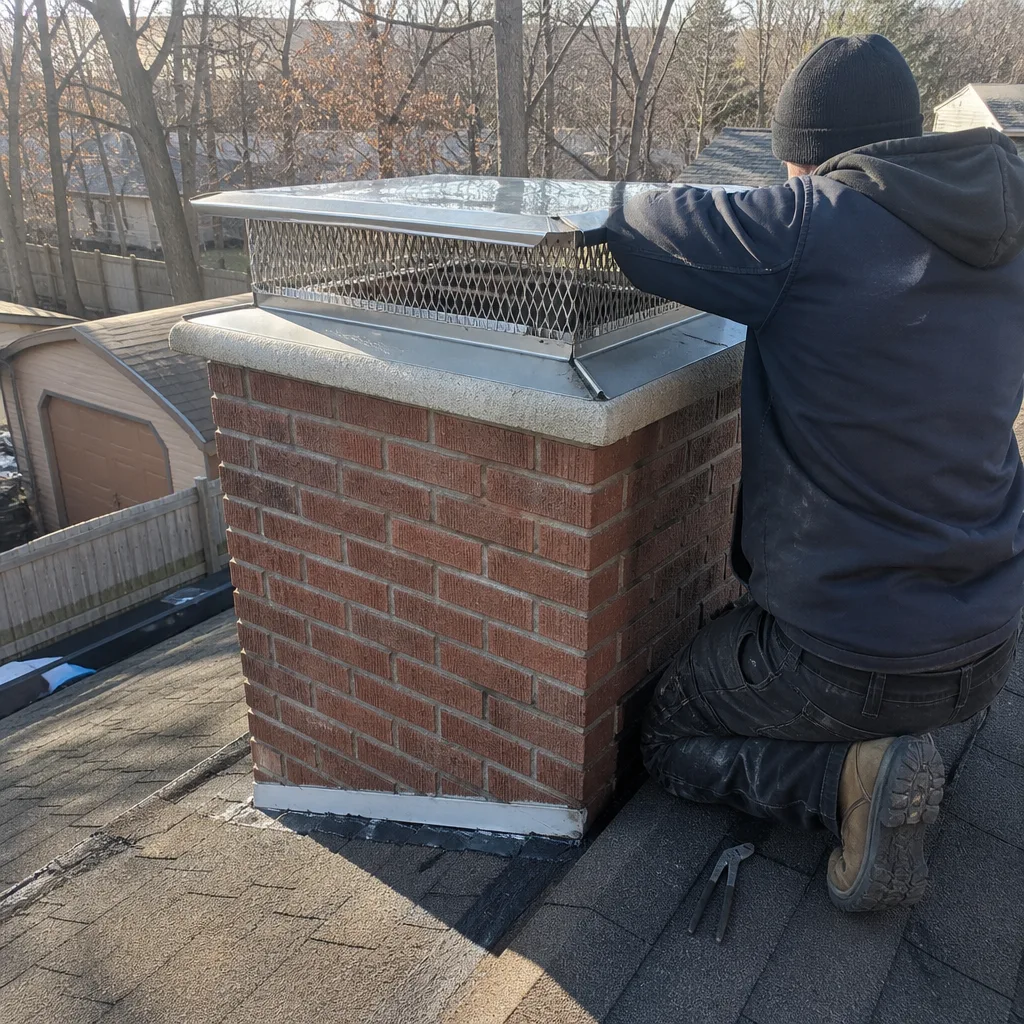 After
After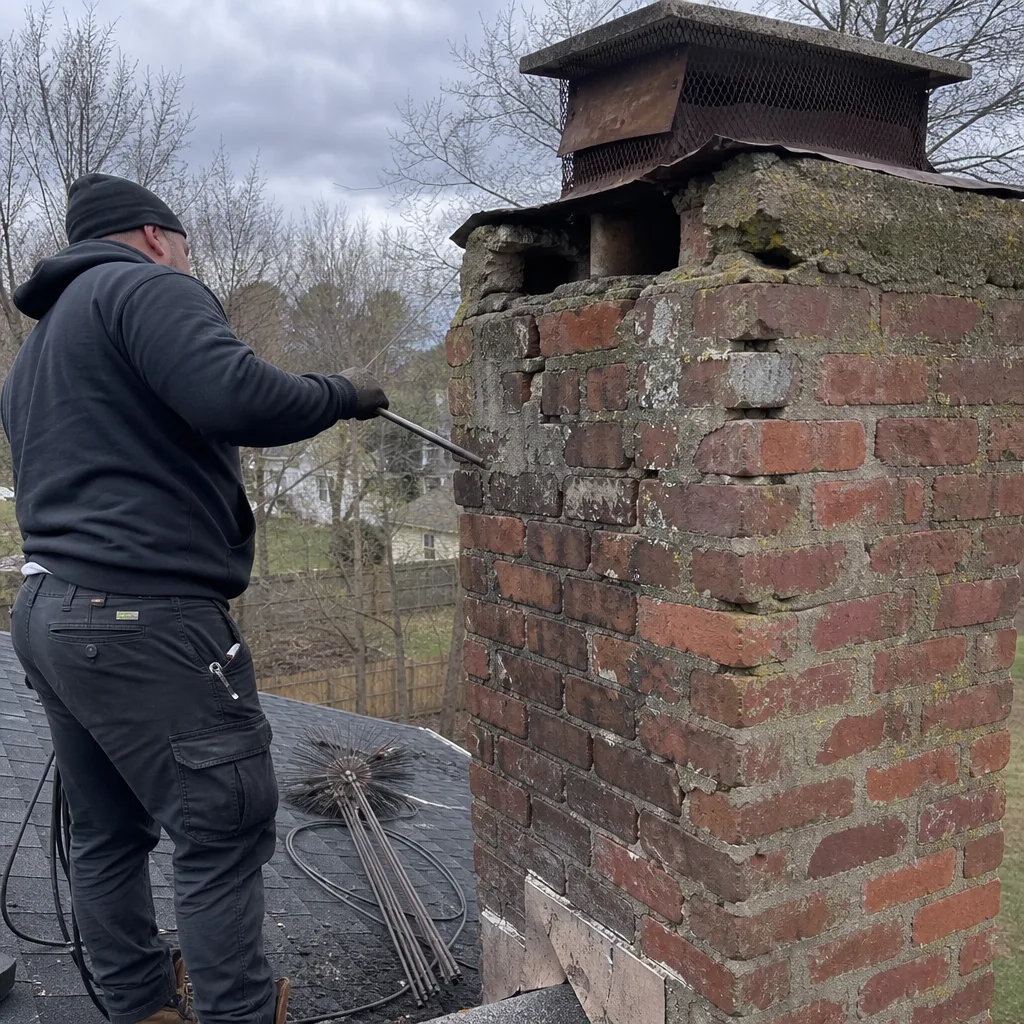 Before
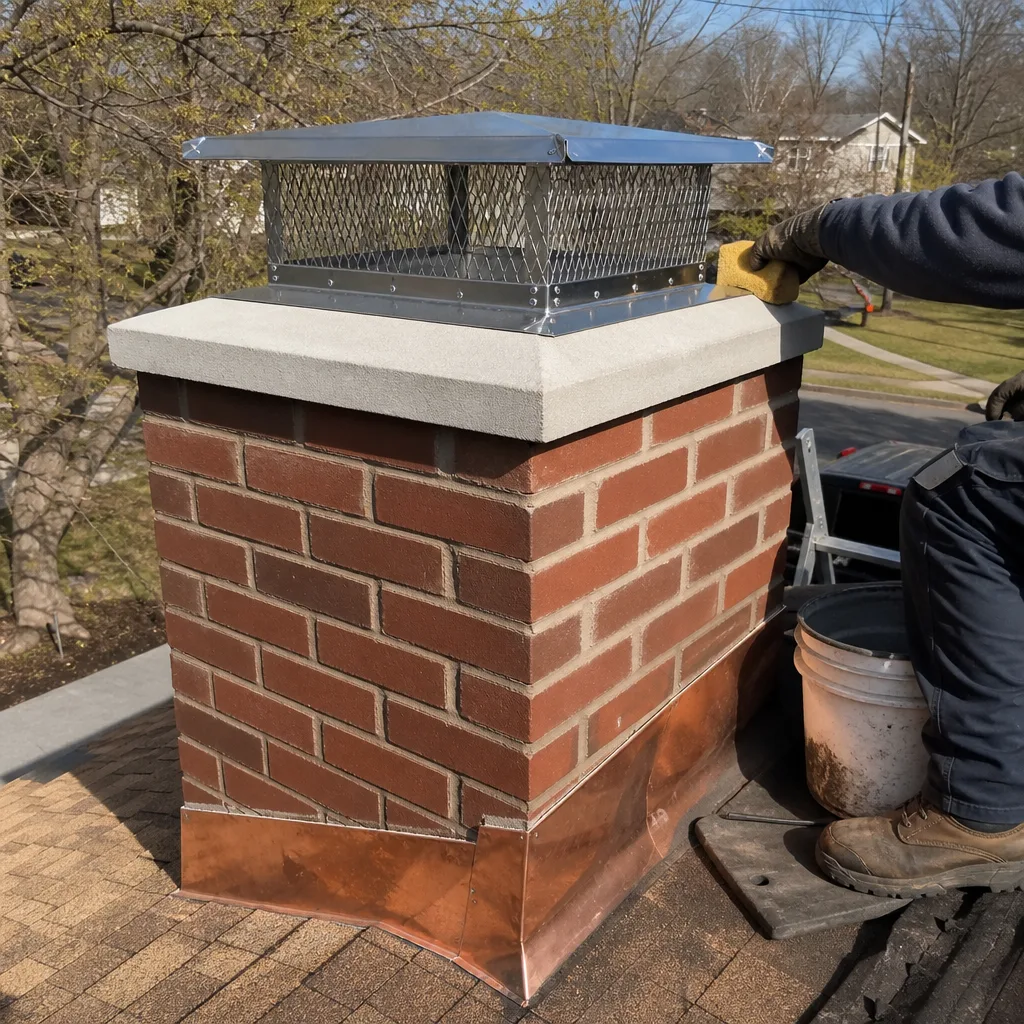 After
After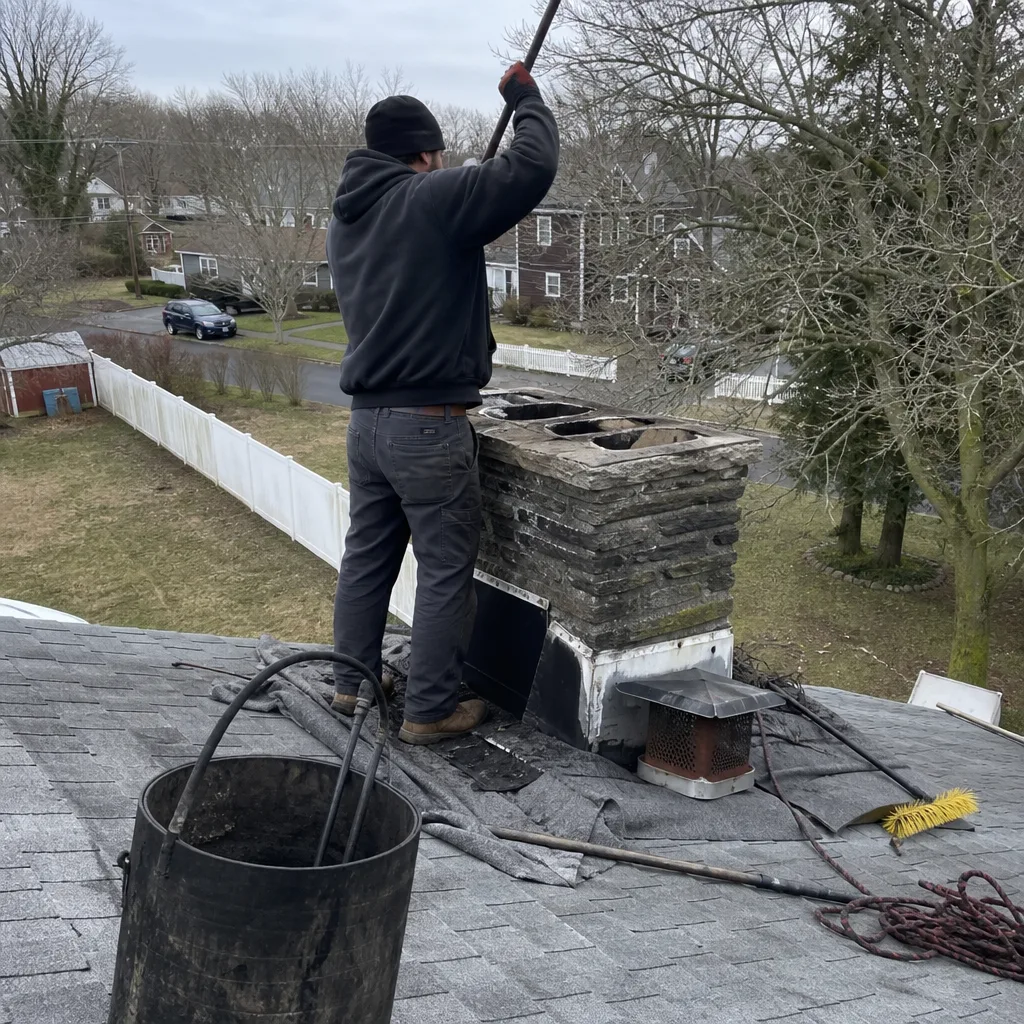 Before
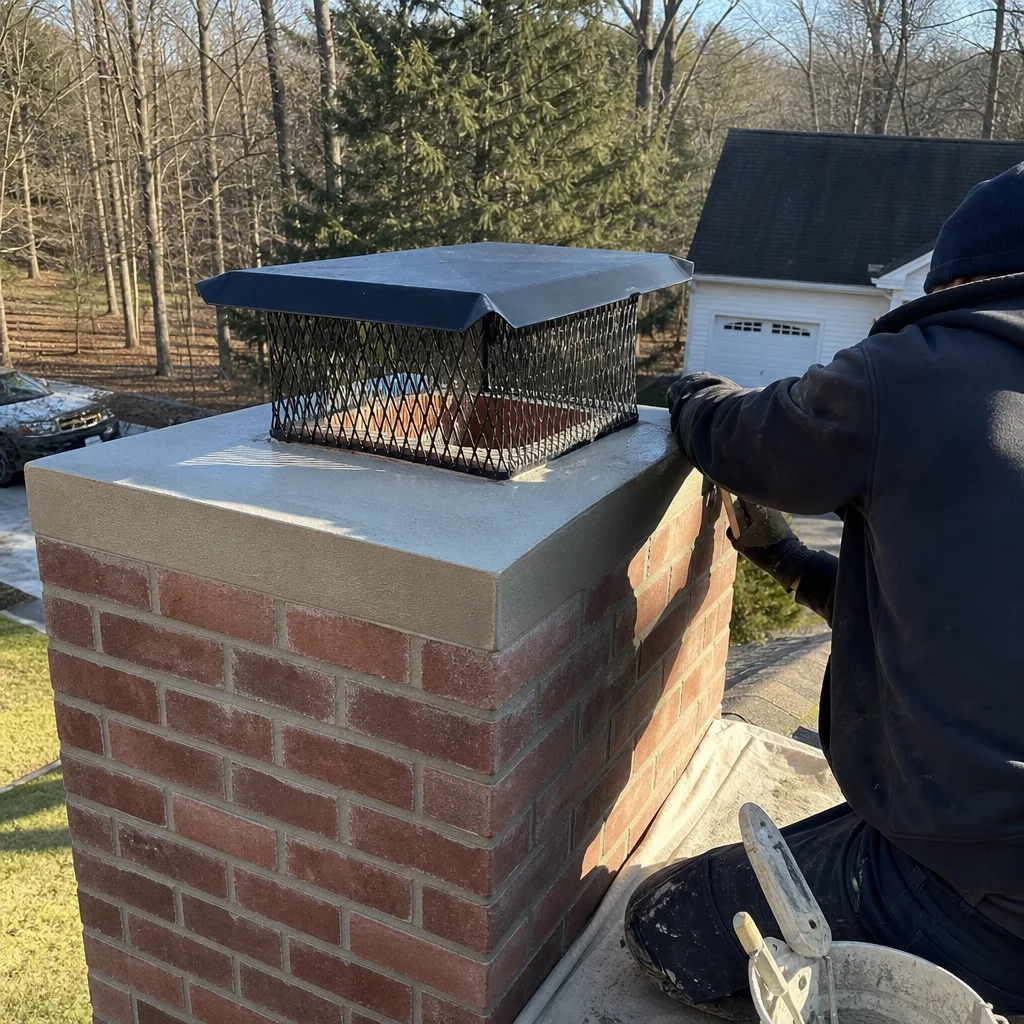 After
AfterGelco Flue Liner Replacement: The Smithtown Owner’s Guide
We stock and install Gelco-compatible flue liner replacement in Smithtown, with typical installed pricing running $1,800 to $3,400 depending on length, diameter, and whether the chase top needs rework. Most Gelco liner jobs we book are completed in a single visit because we carry the common diameters and termination caps on every truck. If your chimney is drafting poorly, you’re finding debris in the firebox, or a Level-2 inspection turned up spalling or gaps in the existing liner, this page covers exactly what you’re facing.
Most Smithtown homeowners discover their Gelco flue liner is failing during a routine sweep or after a smoking episode that won’t clear. The older colonials near Caleb Smith State Park Preserve, many with original masonry chimneys retrofitted with stainless liners in the 1990s or 2000s, are hitting the age where those liners show their years.
Which Gelco Models This Applies To
Gelco flue liners fall into several series, and matching the right replacement means reading what’s there now. The Gelco UltraPro and Gelco Pro series are the two we encounter most in Suffolk County. UltraPro carries a .006-inch wall thickness in 316Ti stainless, while the Pro line steps up to .010-inch for heavier-duty applications. If you’re reading a part number off an existing label, it typically starts with the diameter and series code, something like “UP-6” for a 6-inch UltraPro or “PRO-8” for an 8-inch Pro.
Here’s where owners get tripped up: Gelco’s original termination caps and connector collars were sized to their own specs, and not every aftermarket collar seats cleanly. We’ve seen homeowners in Smithtown order a “universal” 6-inch cap only to find the Gelco collar has a slightly different bead profile. We carry both OEM Gelco termination assemblies and precision-matched aftermarket equivalents from Olympia Chimney and Copperfield. The aftermarket route saves roughly $80 to $140 on parts without compromising fit, but we won’t substitute without showing you both options and the physical difference.
To identify what you have, check the top of the chimney chase for a stamped metal label, or have us drop a camera and measure the internal diameter at the thimble. Russell Haines has been matching Gelco specs on Long Island long enough to spot the differences by eye, but we measure anyway. “Tell me what you see, and I will tell you what it means.”
Signs Your Gelco Flue Liner Replacement Is Failing
- White or gray powder staining the exterior brick. This is efflorescence from moisture migrating through gaps in the liner. Once the Gelco liner develops a split or the top seal fails, combustion moisture hits the masonry directly. In Smithtown’s freeze-thaw cycles, this accelerates quickly.
- Bits of metal or rust flakes in the firebox or cleanout. 316Ti stainless resists corrosion well, but if the original installer used a lower-grade connector or if the liner was damaged during a previous sweep, you’ll see degradation at joints first. The flakes are your warning before a full breach.
- Smoke rolling into the room on startup, especially in cold weather. A compromised Gelco liner loses its draft efficiency. Cold air sinks down a leaking liner and fights the rising column. We see this most in two-story Smithtown homes where the stack effect is already working against you.
- A strong, sharp odor during burning that wasn’t there before. This often means creosote is accumulating behind the liner, in the void between liner and masonry, because the liner has pulled away from the thimble or developed a hole. It’s a chimney fire risk and a carbon monoxide pathway.
- The liner has visible dents, kinks, or a “crushed” section visible from the top. Gelco liners are flexible for their diameter, but a heavy-handed installation or a later roofing project can deform the run. A deformed liner restricts draft and creates turbulence that deposits creosote unevenly.
Replacement Cost & What’s Included
| Component | Typical Range (Smithtown) |
|---|---|
| Gelco-compatible liner (materials only) | $900 - $1,800 |
| Labor: removal, installation, insulation pack | $700 - $1,200 |
| Termination cap / top plate replacement | $180 - $340 |
| Chase top or crown repair (if needed) | $280 - $560 |
| Total installed, most jobs | $1,800 - $3,400 |
What drives the range: liner length (a two-story colonial on Edgewood Avenue runs longer than a ranch near Landing Avenue), diameter (most Smithtown fireplaces need 6-inch; wood stoves and inserts often need 5-inch or smaller), and whether the existing liner can be extracted intact or has to be cut out in sections. We price every job upfront after a camera inspection. The number on the estimate is the number on the invoice.
Every Gelco flue liner replacement we install carries our 90-Day Done Right Promise in writing. If it’s not right, we come back. No paperwork, no arguing. We also document the full run with photos you keep, showing the before condition, the new liner seated at the thimble, and the termination from the roof.
DIY or Call Us?
There’s a safe middle ground here, and then there’s a hard stop. What you can do: verify your model from any label on the termination cap, check for obvious debris or animal nesting at the top, and confirm whether your smoke problem happens only on cold starts or every time. That information saves us time and saves you money.
What you should not attempt: pulling an existing liner, working on a steep roof to remove or seat a termination assembly, or trying to pack insulation around a new liner run. The old liner may be wedged tight with creosote buildup. The new one has to be measured, cut, and seated without kinking, with proper insulation to maintain UL listing. And any work above the roofline in Smithtown means dealing with pitches that were never friendly to homeowners, especially the older homes with slate or cedar shakes.
We’re not affiliated with Gelco, but we’ve installed and replaced enough of their product to know where the tolerances sit. Call (631) 814-2057 and we’ll walk through what you’re seeing. If it sounds like a liner issue, we’ll book a Level-2 camera inspection and give you a plain-English verdict with photos.
FAQs
A properly installed Gelco 316Ti stainless liner should last 15 to 25 years, but Suffolk County’s coastal moisture and freeze-thaw cycling can shorten that if the top seal was never quite right. We’ve replaced Gelco liners in Smithtown that failed at 12 years due to a botched termination, and others still sound at 22. Call (631) 814-2057 and we’ll camera yours to tell you where it stands.
Small, accessible gaps at the top can sometimes be addressed with a HeatShield cerfractory seal if the liner body is otherwise sound, but splits, widespread pitting, or separation at the thimble mean replacement. We never recommend patching without camera evidence you can see for yourself, and we’ll tell you straight when repair buys real time versus when it’s throwing good money after bad.
Most Gelco flue liner replacements we complete in a single day, start to finish. A straightforward 6-inch run on a one-story home might take four hours; a two-story with chase modifications or a stubborn extraction can stretch to six or seven. Our technicians arrive with the common diameters on the truck, so we’re not waiting on parts.
We stock Gelco-compatible diameters from 5-inch through 8-inch on every service vehicle, along with termination caps, top plates, and connector collars from Olympia Chimney and Copperfield. If your setup needs an unusual size or a custom length, we can typically have it within 48 hours. Most Smithtown homeowners never wait.
Written by Russell Haines, Owner, Hearthstone Chimney Co. at Hearthstone Chimney Co., serving Smithtown and nearby areas.