
Level 1 sweep and inspection to the NFPA 211 annual standard - flue, crown, cap, and flashing checked and photographed
Chimney sweep logs do not sweep chimneys. They loosen some creosote - which then falls where a brush and vacuum still have to collect it.
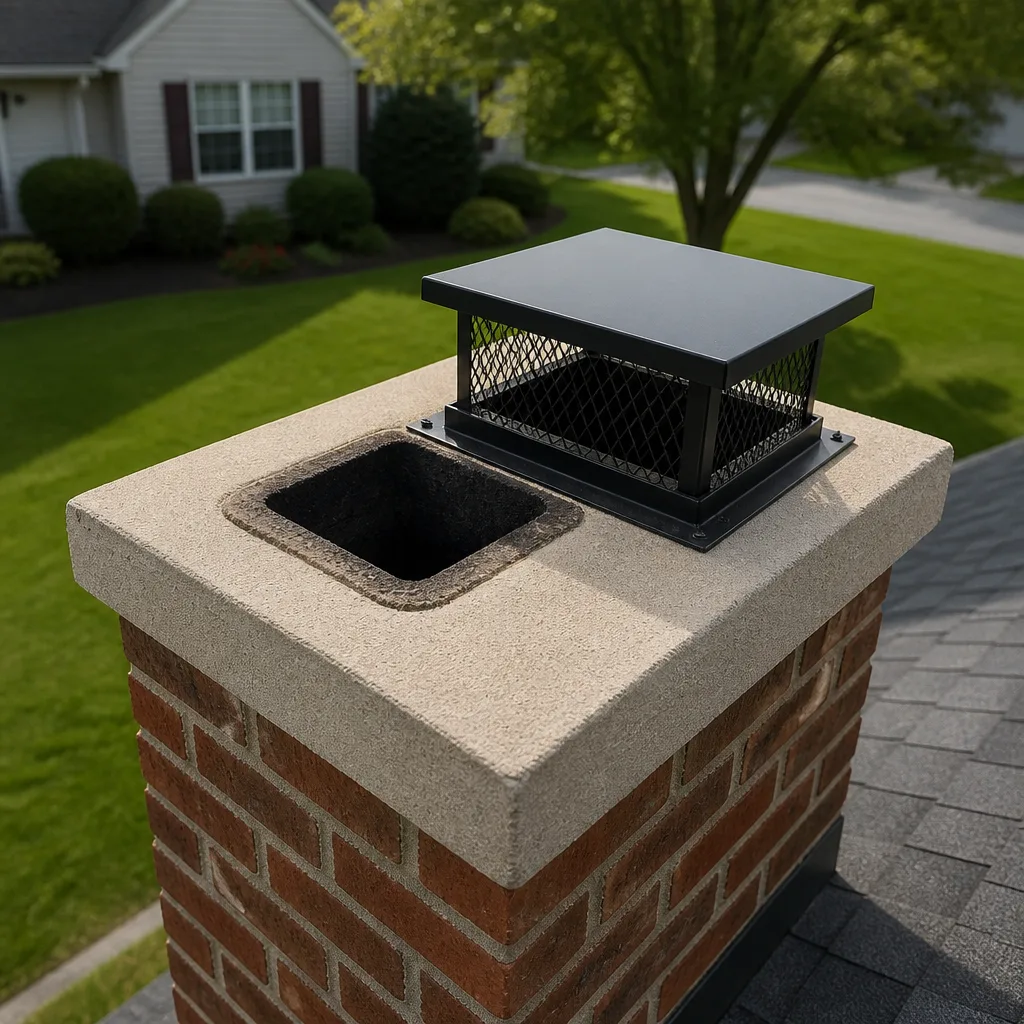
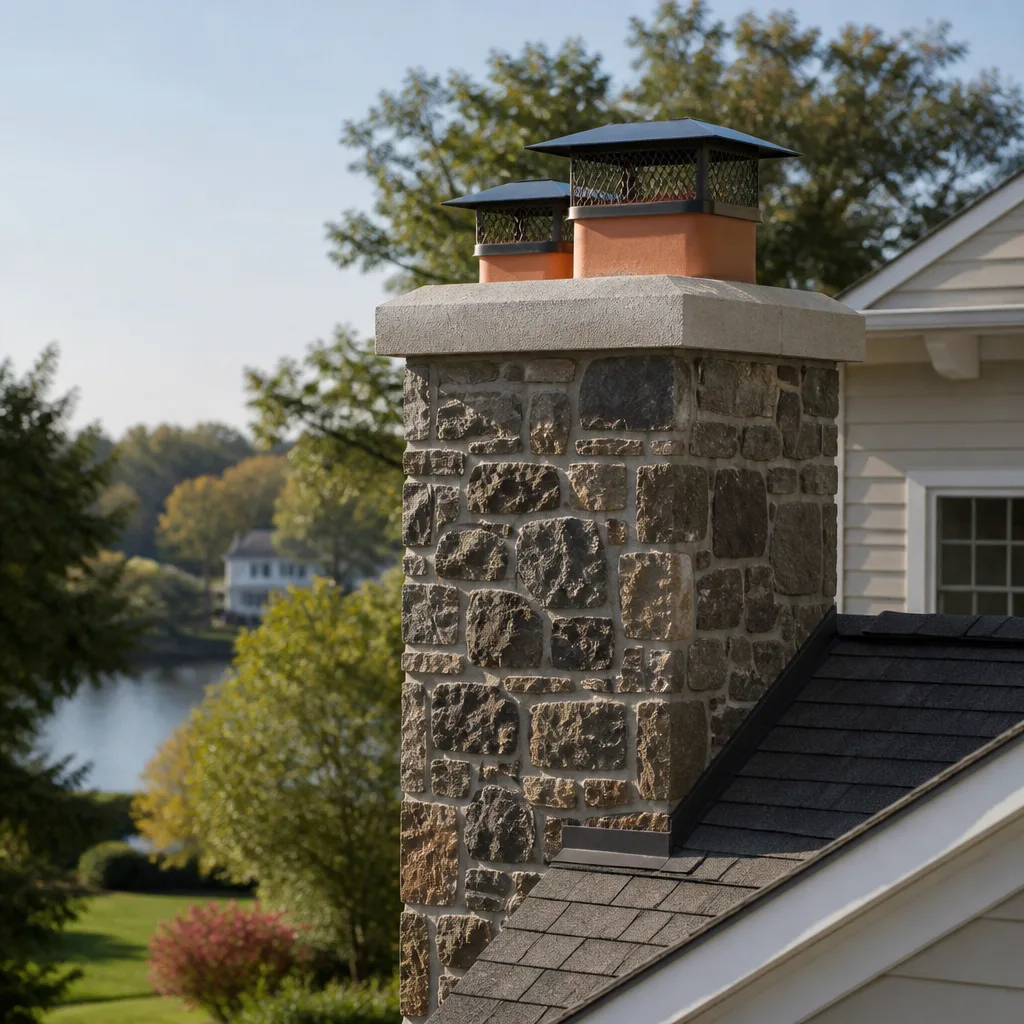
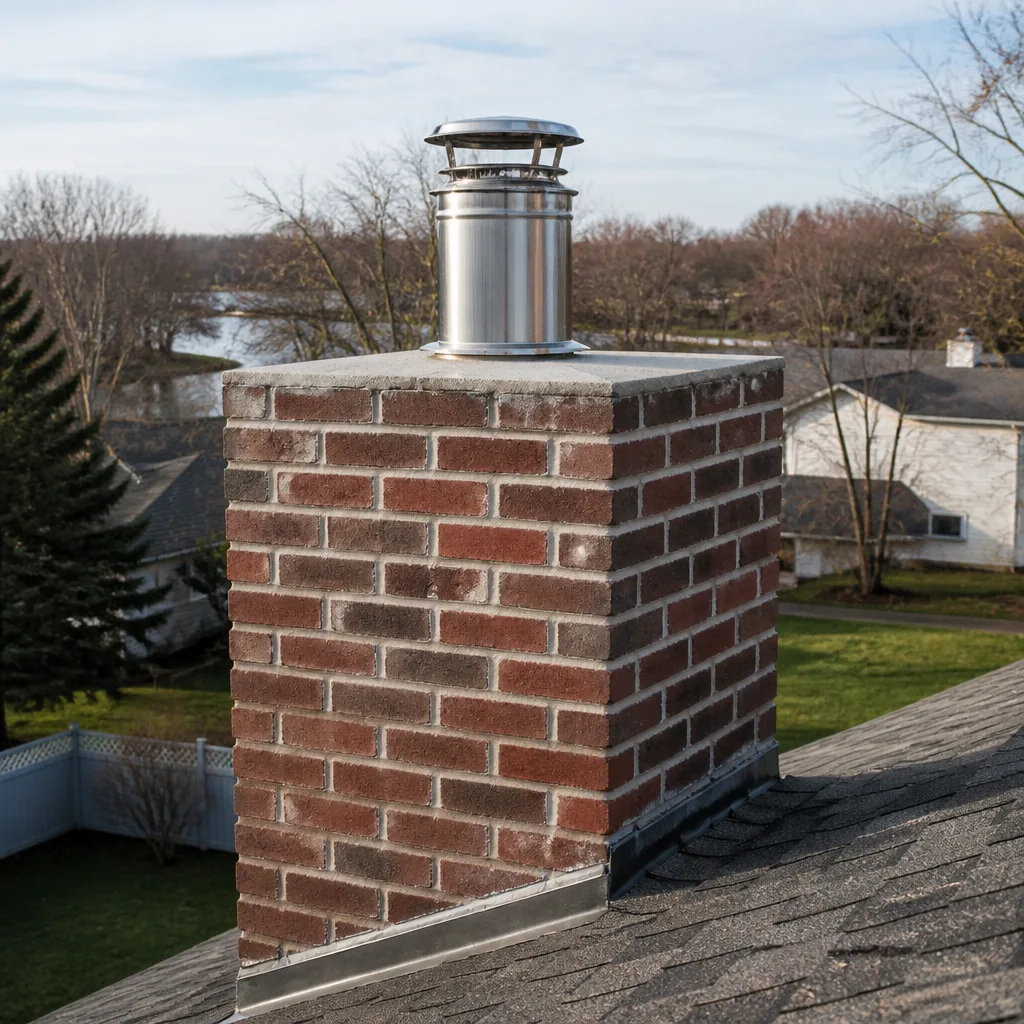
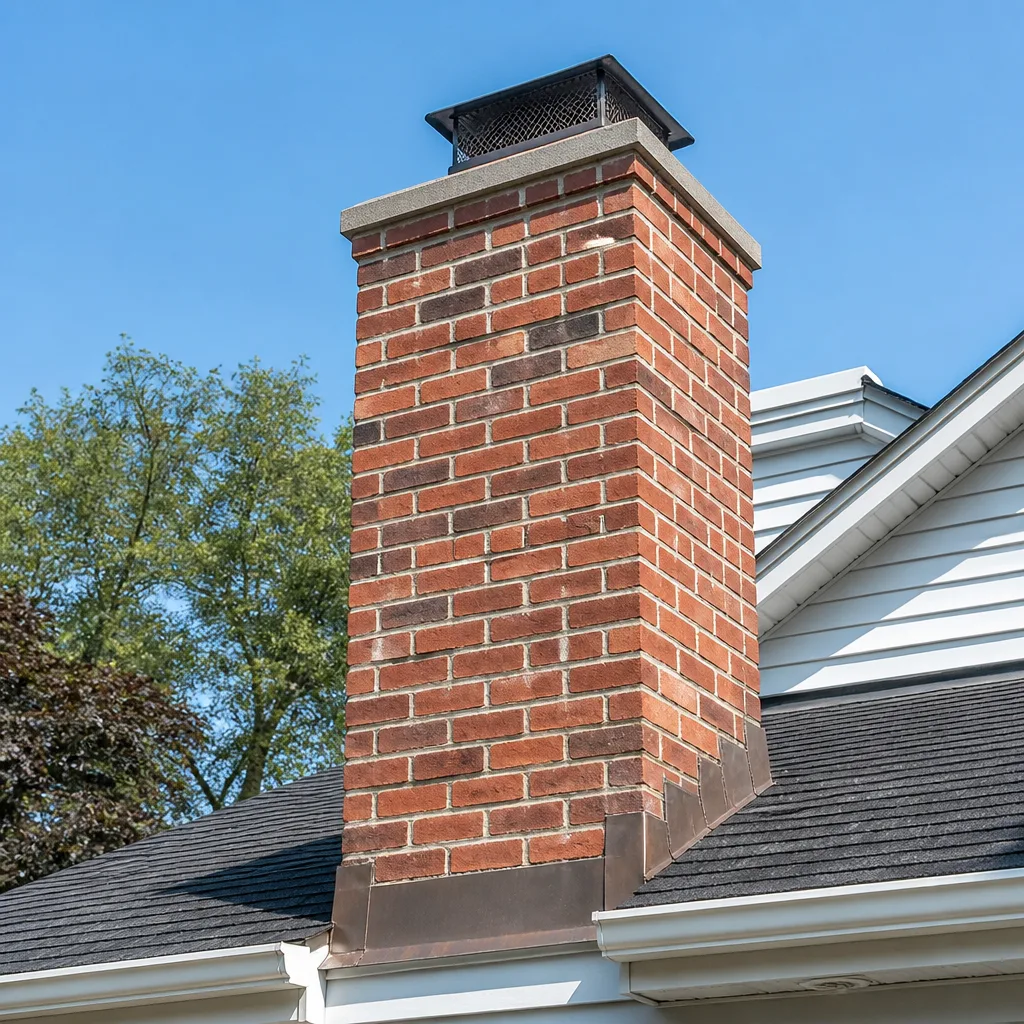
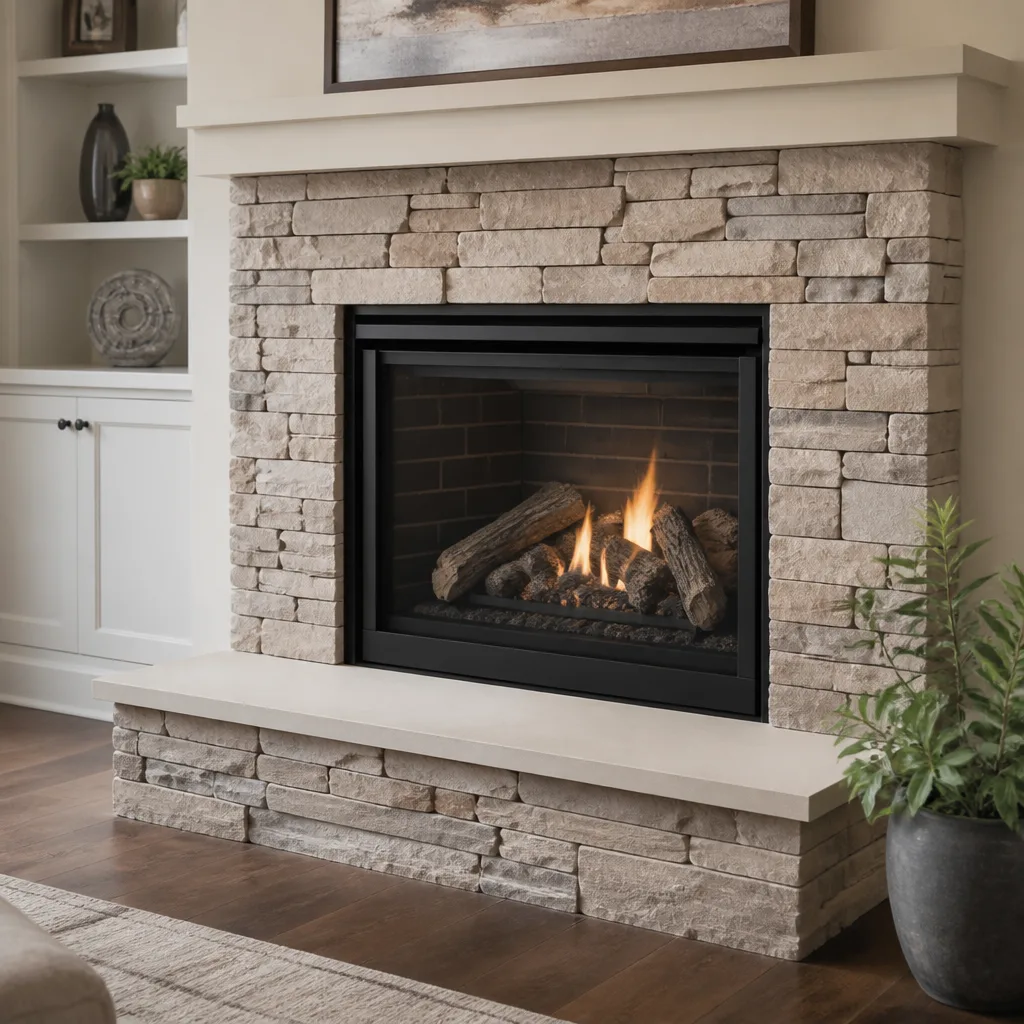
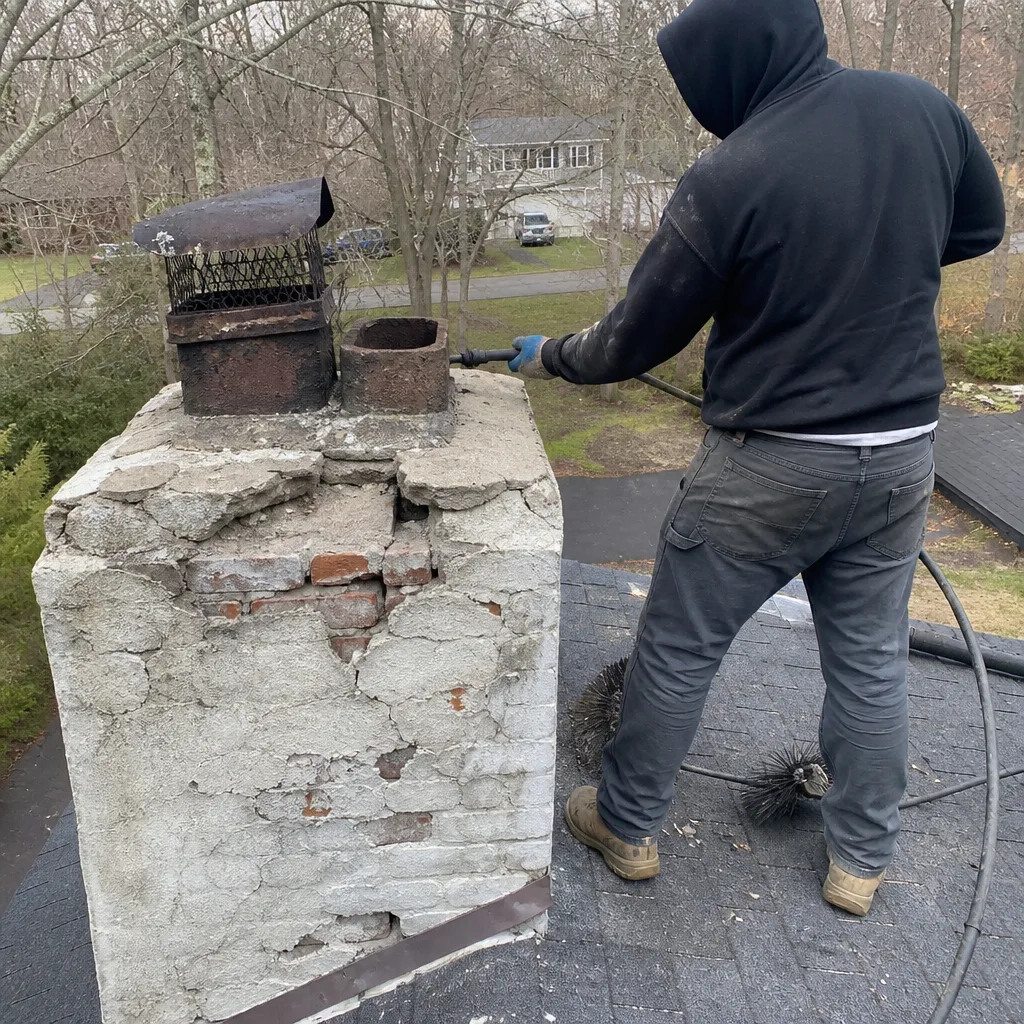 Before
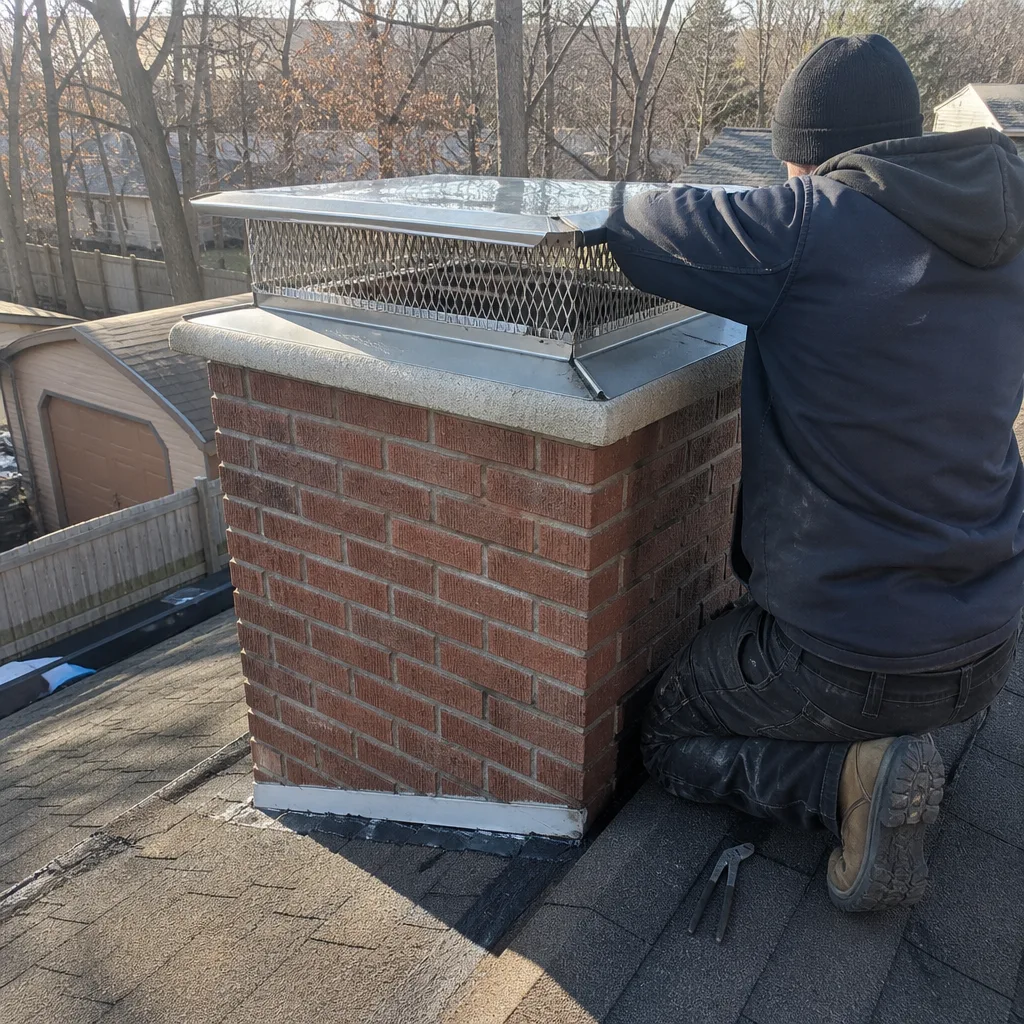 After
After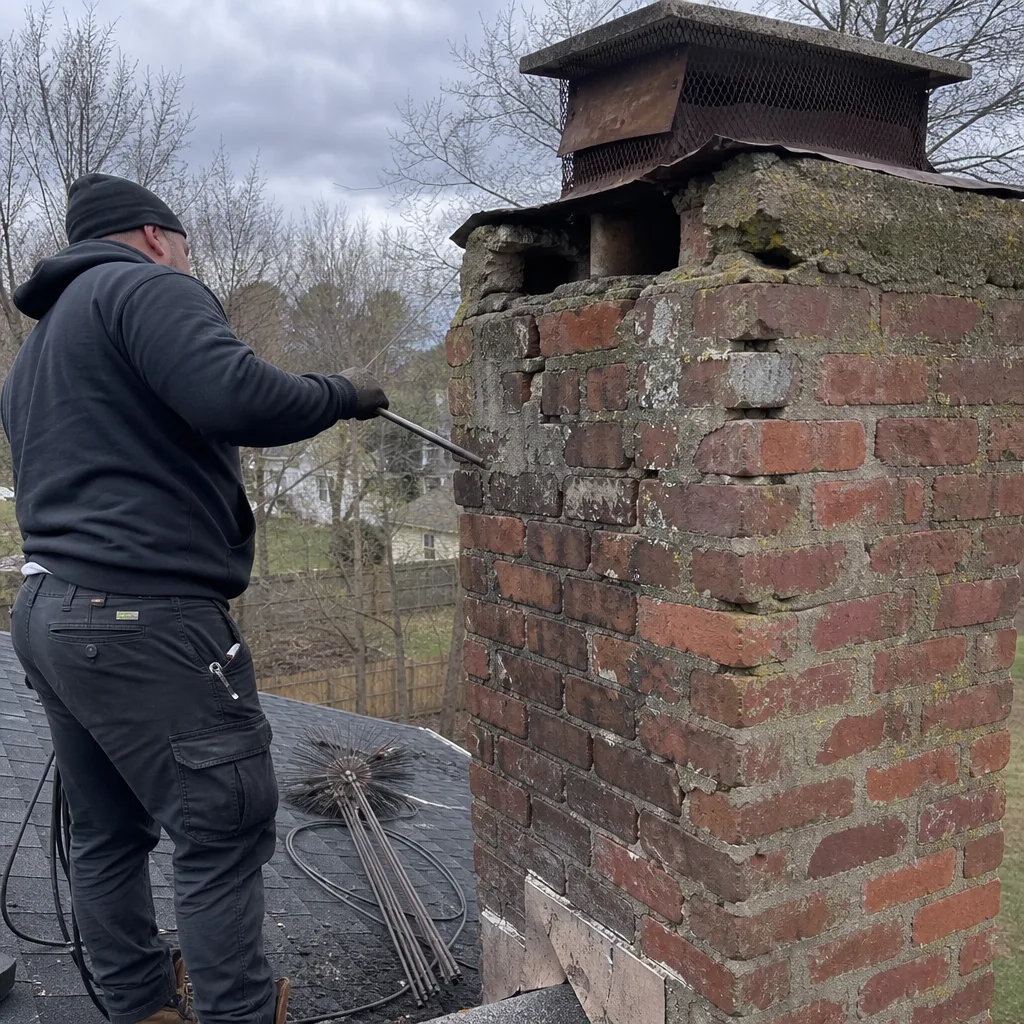 Before
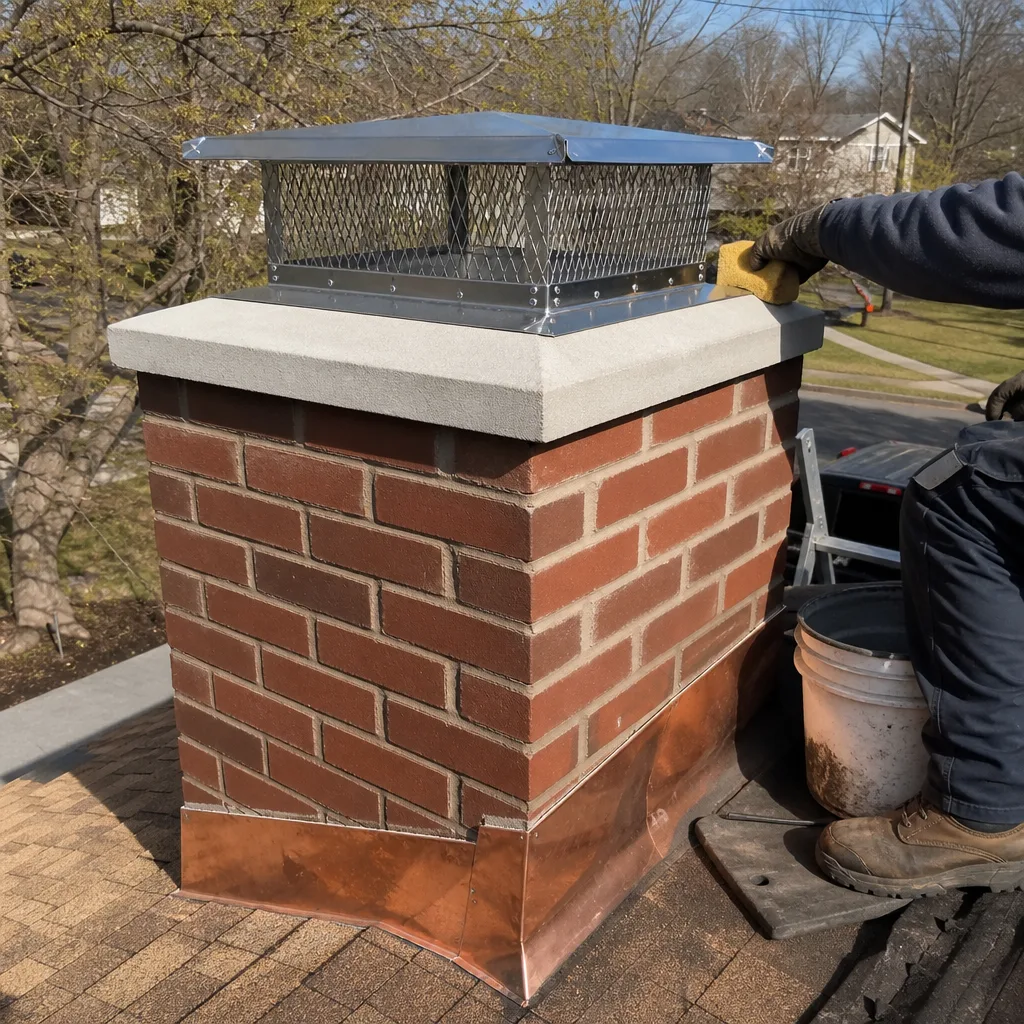 After
After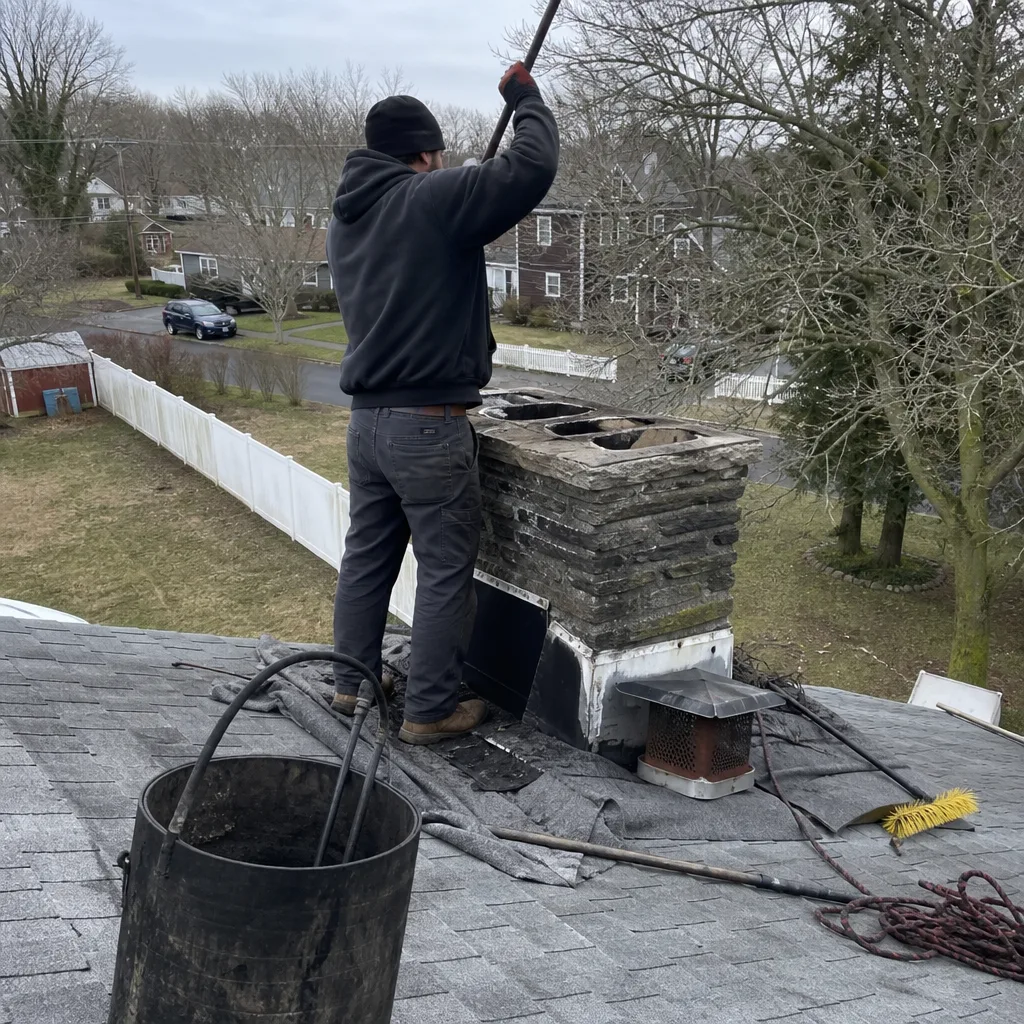 Before
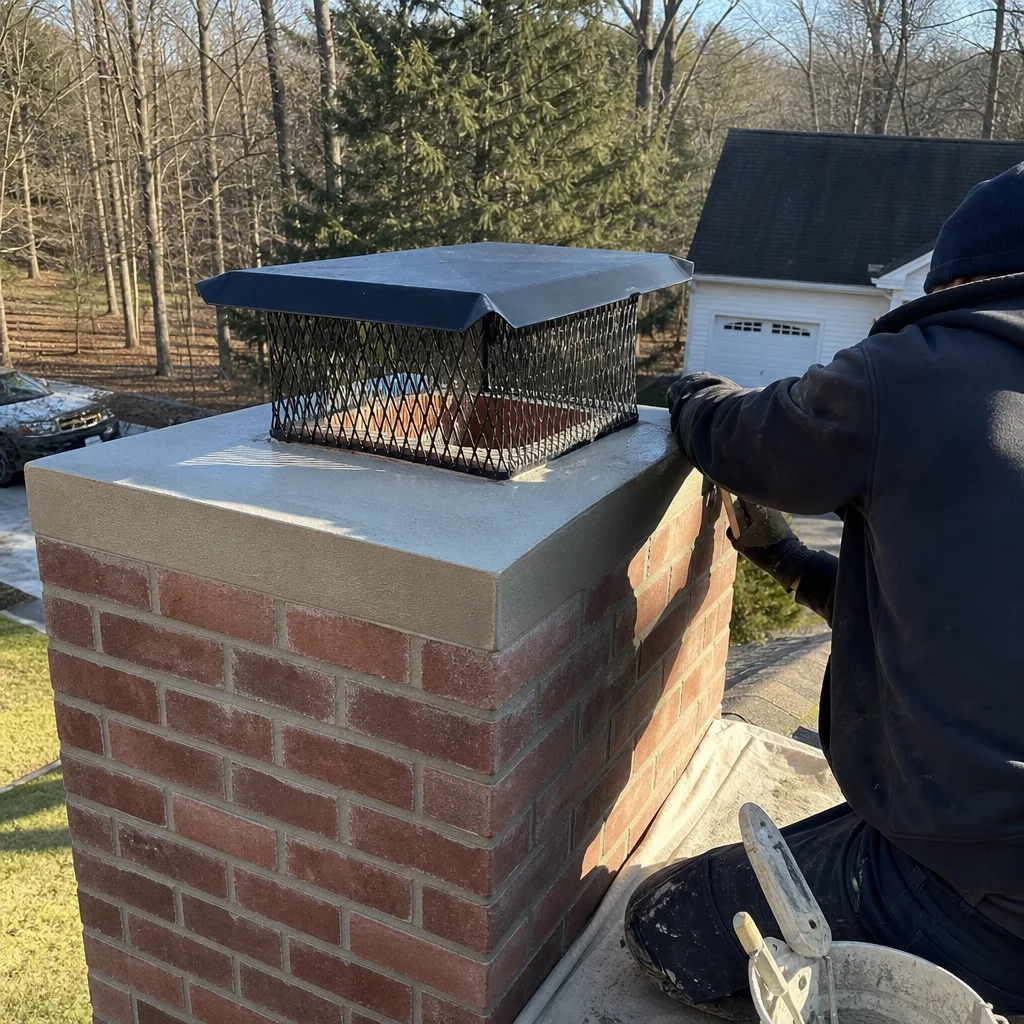 After
AfterHeatShield Flue Liner Replacement: The Smithtown Owner’s Guide
We stock and install HeatShield-compatible flue liner replacement in Smithtown for most residential fireplace and furnace flues, with typical installed pricing running $2,800-$4,500 depending on flue height, diameter, and access. Most HeatShield liner jobs we book in Smithtown are completed in a single visit once the inspection is done, and we carry common diameters on our trucks. Homeowners usually discover the problem during a routine sweep when our camera catches cracked ceramic, flaking terra cotta, or gaps at the mortar joints that let combustion gases leak into the chimney cavity.
Which HeatShield Models This Applies To
HeatShield manufactures two distinct systems for flue restoration: the Cerfractory Sealant spray-applied resurfacing system and the HeatShield Sleeve, a stainless steel liner used when the original clay flue is too far gone to resurface. In Smithtown’s older colonials, especially the homes near Caleb Smith State Park Preserve built in the 1960s and 70s, we see both. The sealant system works for clay flues with minor cracking and joint gaps; the sleeve is the replacement when spalling exceeds one-quarter inch depth or when the flue has shifted off its original axis.
To identify what you have, check for a metal tag on the damper frame or a stamped code on any previous service paperwork. HeatShield sealant jobs are coded by application date and technician; sleeve jobs carry a serial number on the top plate. If neither exists, we measure the flue’s inner dimensions with a caliper and run a video scan to determine compatibility. OEM HeatShield sealant is manufactured to a 2,100°F service rating; we use factory-specified Cerfractory material rather than generic refractory mixes, because the thermal expansion coefficient matters over repeated freeze-thaw cycles. For sleeves, we stock DuraFlex and HeatShield branded stainless in 6-inch and 8-inch diameters, the two sizes that cover roughly 90% of Smithtown’s residential chimney inventory. We are an independent service provider with no corporate affiliation to HeatShield.
Signs Your HeatShield Flue Liner Replacement Is Failing
- White efflorescence or powder on the firebox walls. This is moisture pulling soluble salts through the brick, and it means combustion gases are condensing in the flue instead of venting cleanly. In Smithtown, where winter temperature swings can hit 40 degrees in a single day, thermal shock accelerates the deterioration of any compromised liner surface.
- Bits of clay or ceramic in the firebox after burning. These shards are spalled terra cotta flaking off the original liner. Once the inner surface starts shedding material, the protective barrier thins rapidly, and the next heating cycle removes more mass.
- Smoke odor in upstairs rooms, especially on windy days. A failed liner lets draft pressure escape through wall gaps rather than drawing air up the flue. The Nissequogue River valley creates localized pressure differentials in Smithtown that make this symptom more pronounced in homes south of Jericho Turnpike.
- Carbon monoxide detector alerts near the chimney chase. This is the symptom that moves the timeline from “plan for next season” to “stop using the appliance now.” Any CO reading tied to fireplace operation means combustion products are entering the structure, and the liner is the first place we look.
- Visible gaps or missing mortar at flue joints visible from the roof. These gaps start small, often at the offset where the flue transitions through the smoke chamber. Water from coastal storms works into the opening, freezes, and widens the gap each cycle. By the time it is visible from above, the interior damage is typically worse than it appears.
Replacement Cost & What’s Included
| Scope | Price Range |
|---|---|
| HeatShield Cerfractory Sealant (resurfacing, standard 25-foot flue) | $2,800-$3,600 |
| HeatShield Sleeve (stainless replacement, 6″ or 8″ diameter, standard height) | $3,200-$4,500 |
| Additional flue extension or complex offset correction | Add $400-$800 |
| Level-2 camera inspection with photo report | Included |
What drives the range: flue height above 30 feet, diameter transitions, and whether the existing clay needs extraction before sleeve insertion. We price every job upfront after inspection, and the number on the estimate is the number on the invoice. Our 90-Day Done Right Promise covers the installation in writing with no arguing. If the sealant cures improperly or the sleeve settles, we return and make it right. Photos you can see, a plain-English verdict - documented like an engineer, explained like a craftsman.
DIY or Call Us?
There is no safe DIY path for flue liner replacement. The work involves working at height on a pitched roof, handling combustion-rated materials to exact specifications, and verifying gas-tight integrity with a pressure test or video inspection. A homeowner can check two things safely: whether the damper opens fully and whether debris is visible in the firebox. Beyond that, the risk is real. An improperly installed liner can channel carbon monoxide into living spaces or create a chimney fire hazard from creosote accumulation in gaps.
We carry common HeatShield sleeve diameters and sealant quantities on our trucks, and our technicians are background-checked, uniformed, and trained to factory specifications. Most liner replacements in Smithtown are completed in a single visit once materials are confirmed. Call (631) 814-2057 for a free estimate - we will show you exactly what the camera sees before any work is scheduled.
FAQs
A properly installed HeatShield Cerfractory Sealant application lasts 15-20 years in normal use; a stainless HeatShield Sleeve typically lasts 25 years or more. Smithtown’s coastal freeze-thaw cycles and occasional salt-air exposure from Long Island Sound can shorten sealant life at the flue’s exterior shoulder if the crown is not maintained. Annual inspection catches early wear before it becomes failure. Call (631) 814-2057 to schedule - estimates are free.
Sometimes. Isolated joint gaps and surface cracking under one-eighth inch deep can often be addressed with targeted Cerfractory Sealant patching. If the clay substrate has shifted, spalled deeper than one-quarter inch, or developed through-wall cracks, replacement is the only sound option. We do not recommend patchwork when the underlying structure is compromised - done right means doing it once. Call (631) 814-2057 and we will show you what the camera reveals.
Most HeatShield liner replacements are completed in four to six hours of on-site work for a standard single-flue chimney. The inspection and estimate visit is separate, typically 45 minutes to an hour. We schedule the installation once you have seen the photos and approved the scope. Most jobs are completed in a single visit.
Yes. We carry 6-inch and 8-inch HeatShield Sleeve sections, top plates, and termination collars on our trucks, along with Cerfractory Sealant in standard and high-build formulations. Less common diameters and custom offsets are available with a two-day order window. If your flue is non-standard, we will measure on the first visit and have materials ready before we return to install.
Written by Russell Haines, Owner, Hearthstone Chimney Co. at Hearthstone Chimney Co., serving Smithtown and nearby areas.