
Level 1 sweep and inspection to the NFPA 211 annual standard - flue, crown, cap, and flashing checked and photographed
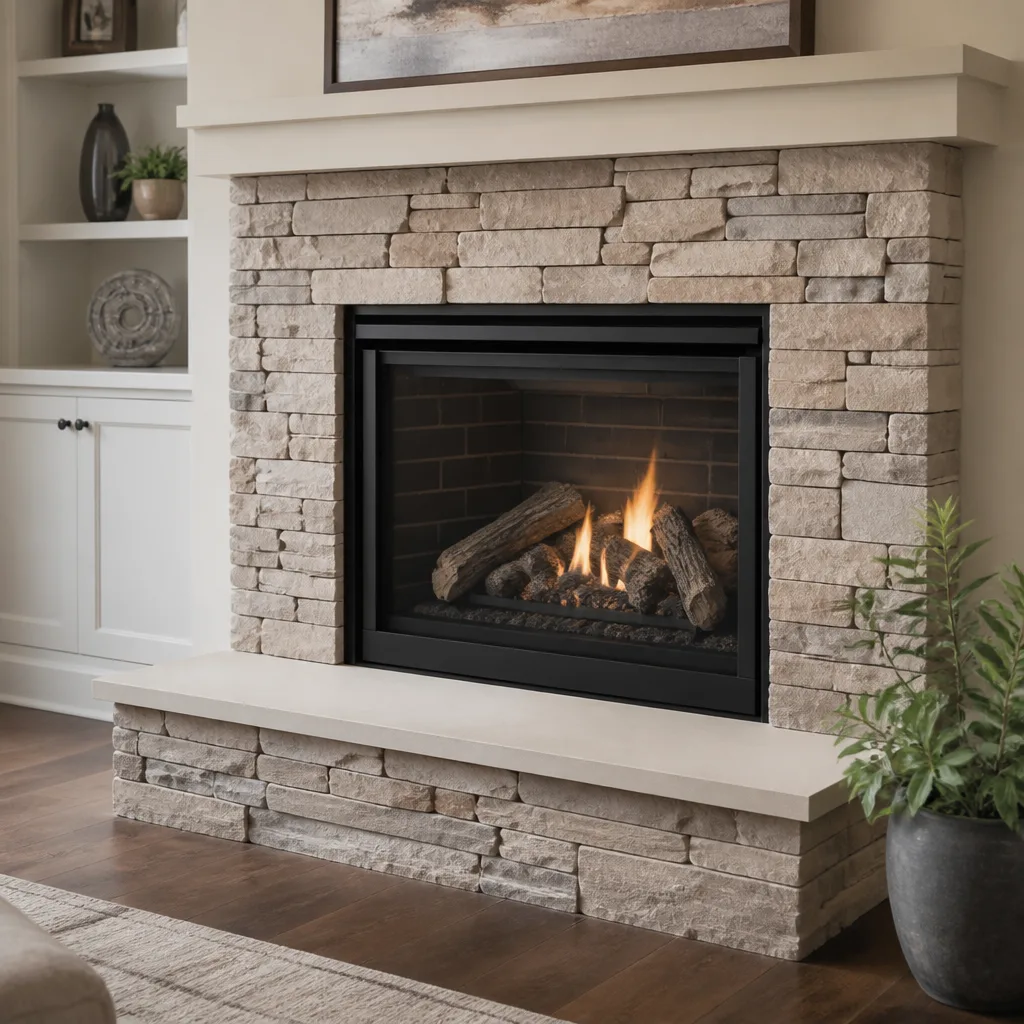
Chimney sweep logs do not sweep chimneys. They loosen some creosote - which then falls where a brush and vacuum still have to collect it.
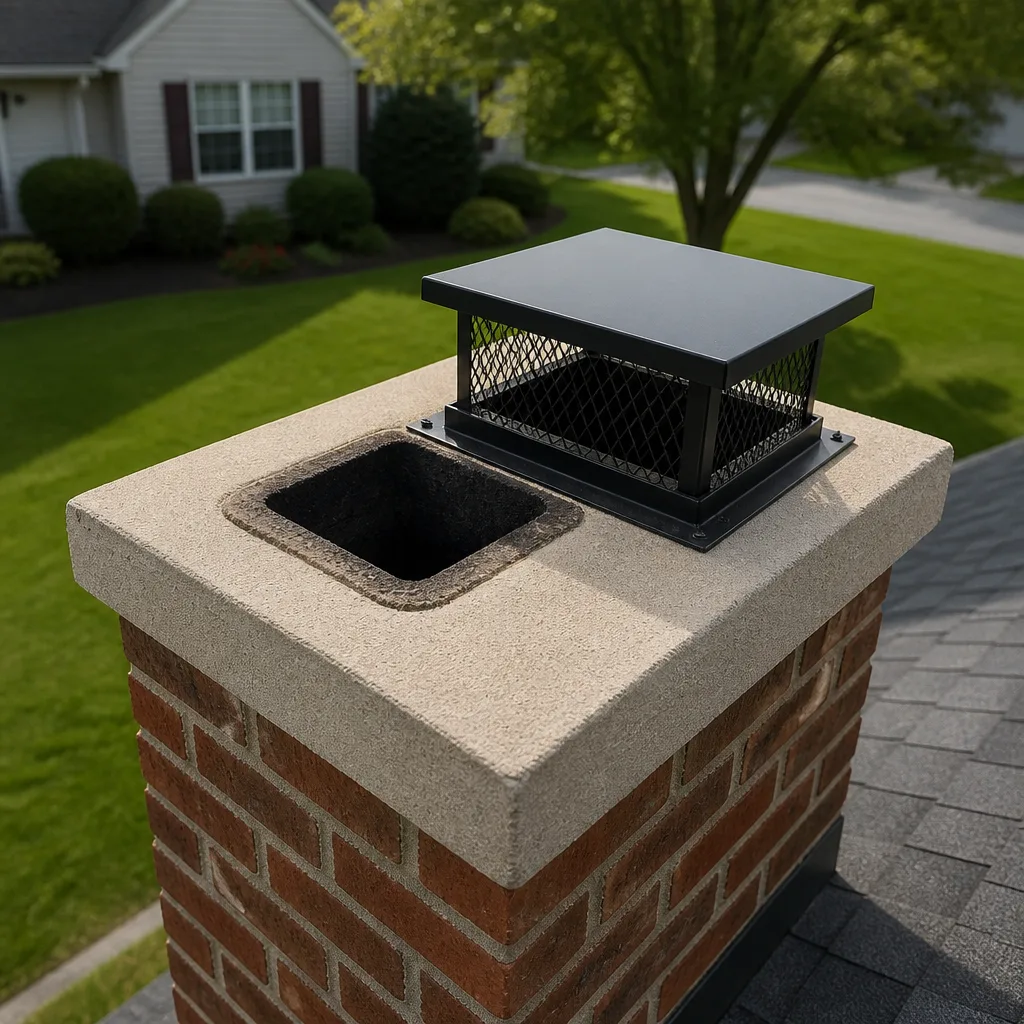
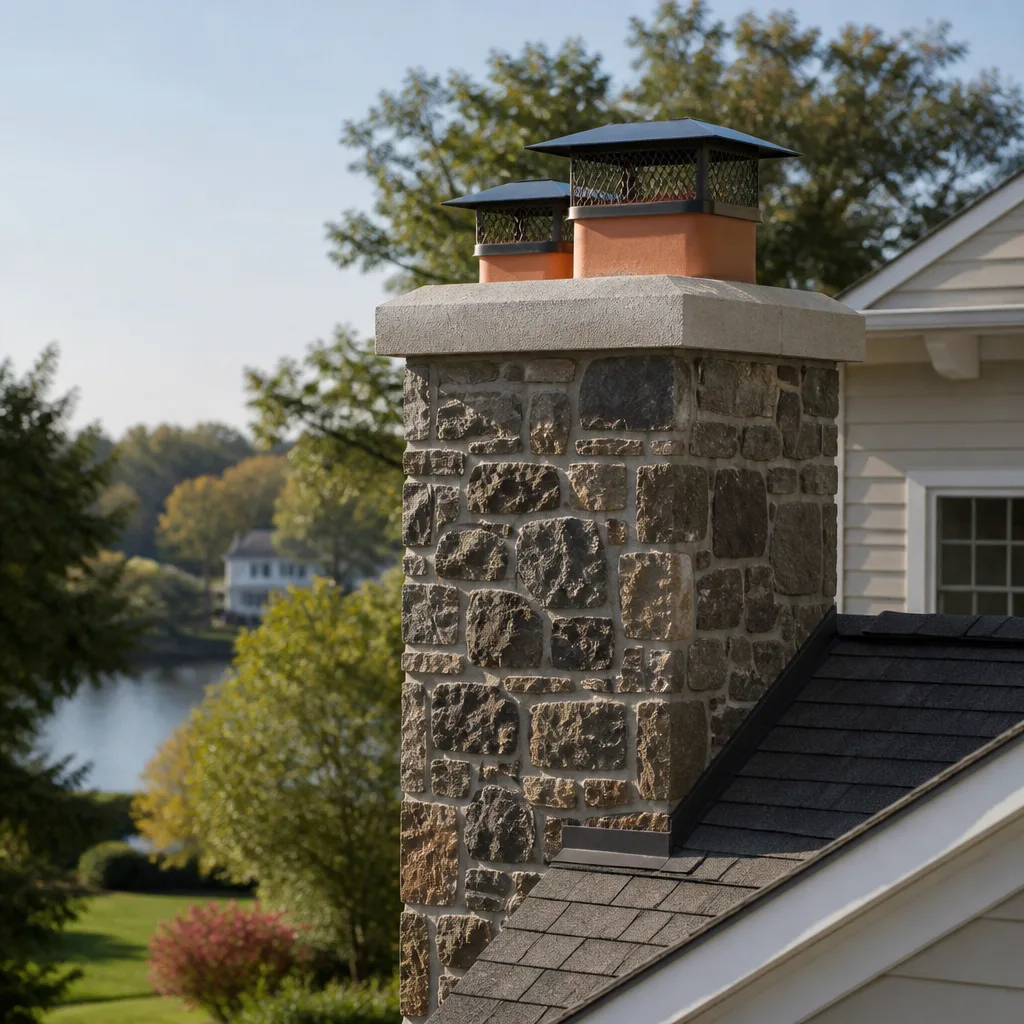
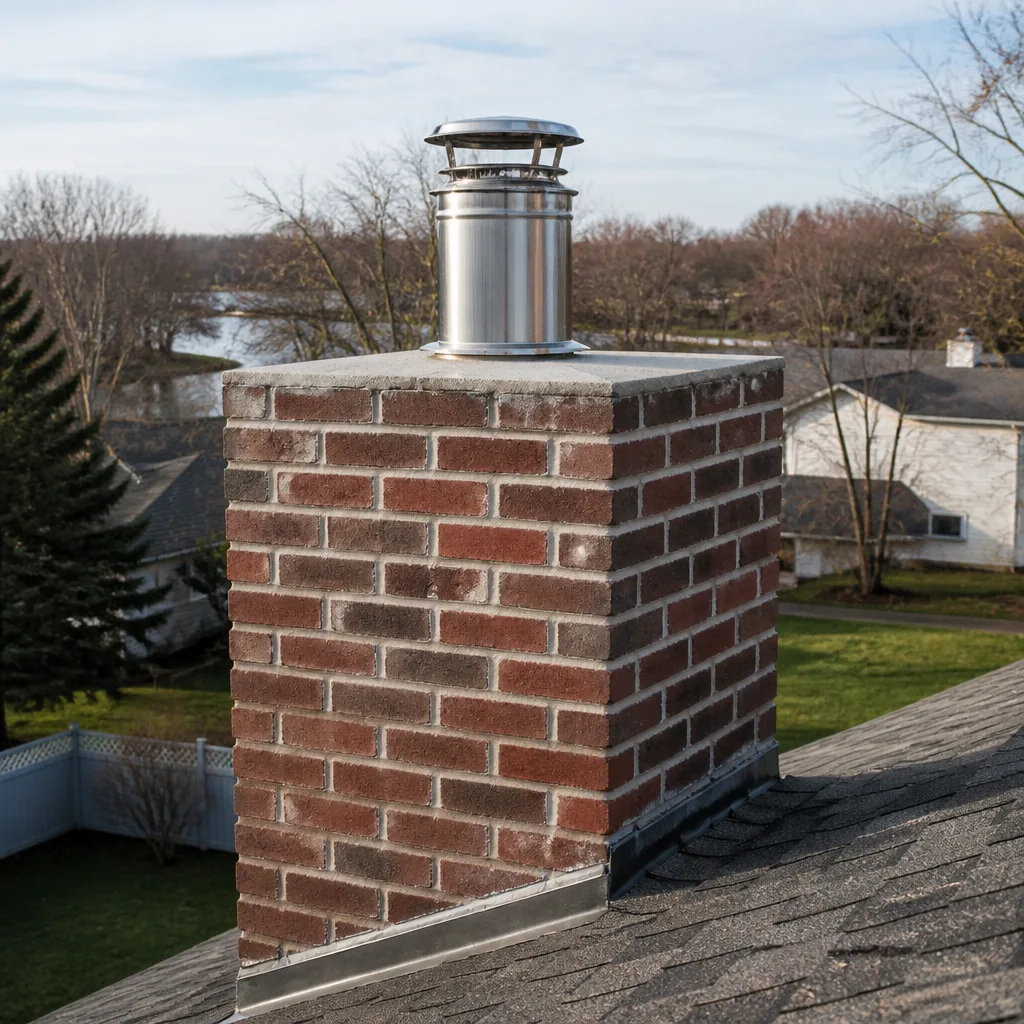
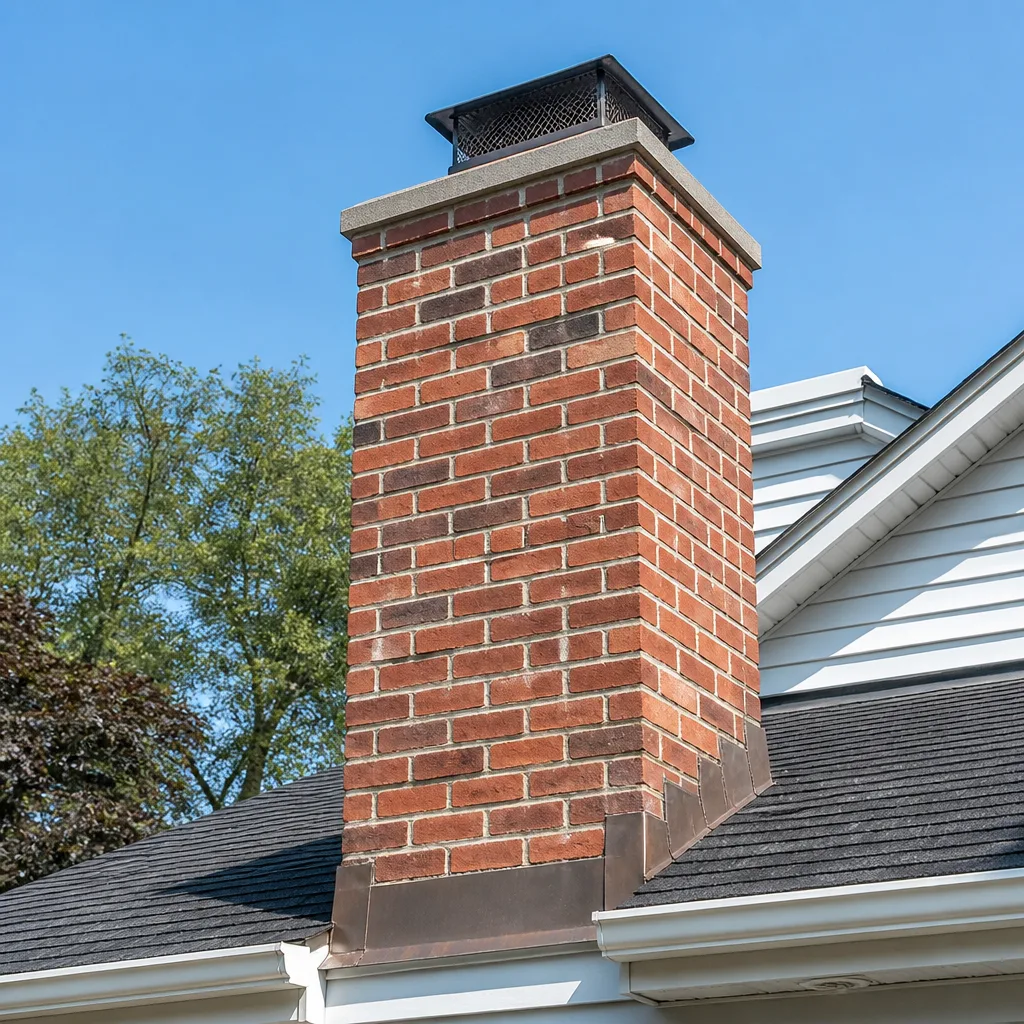
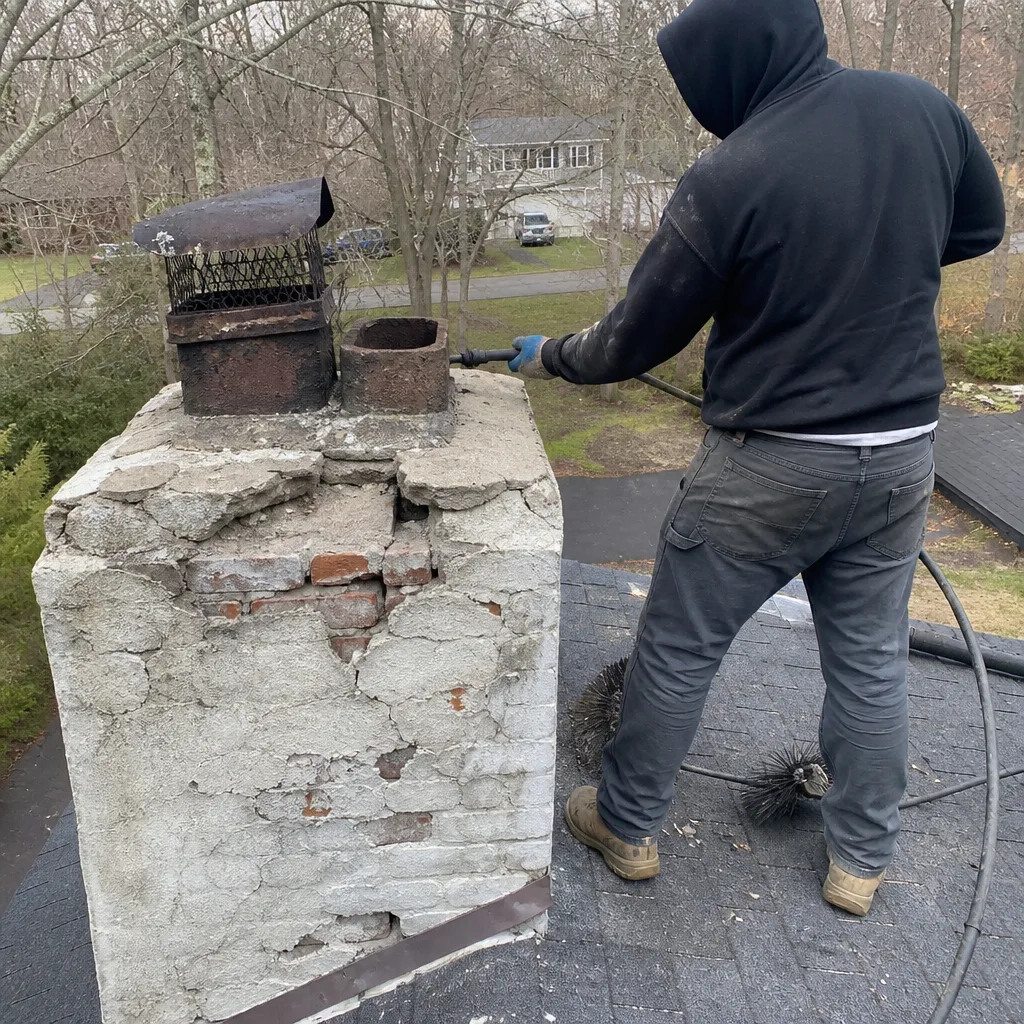 Before
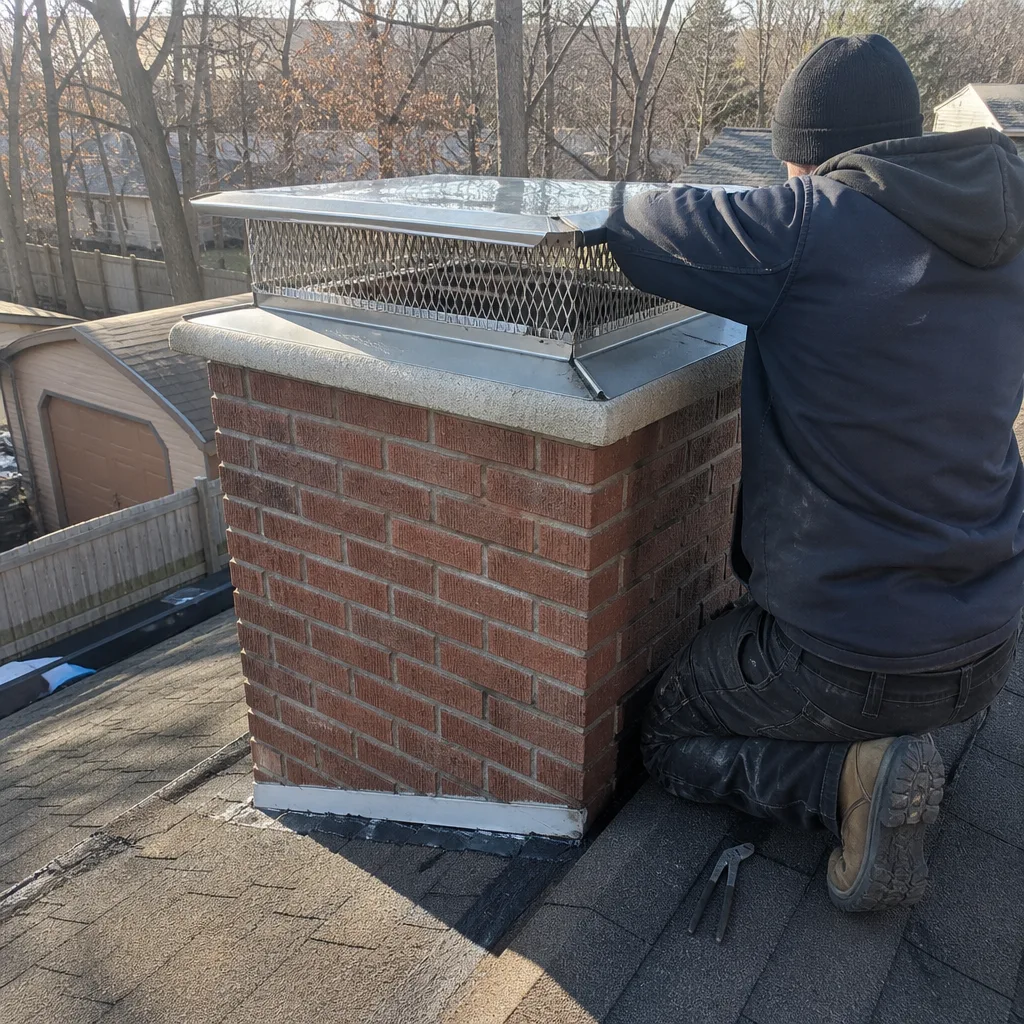 After
After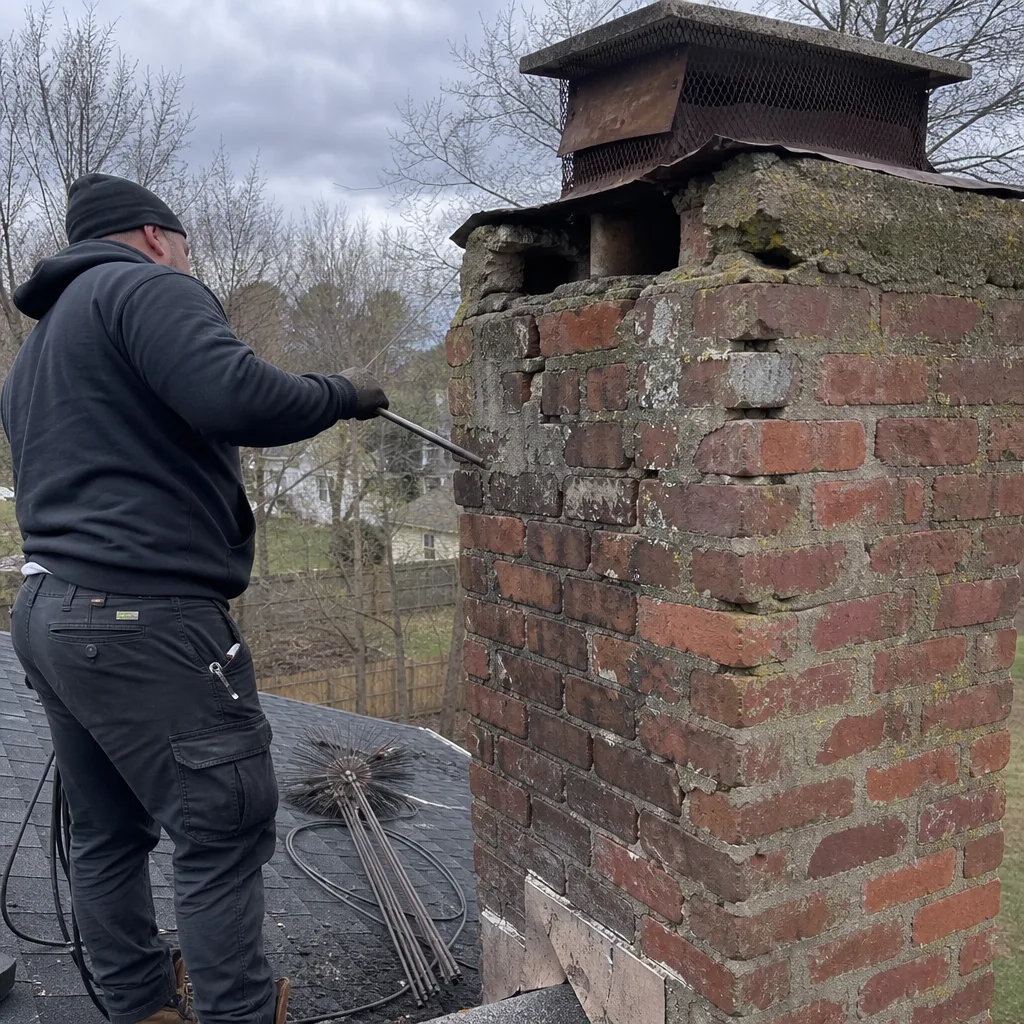 Before
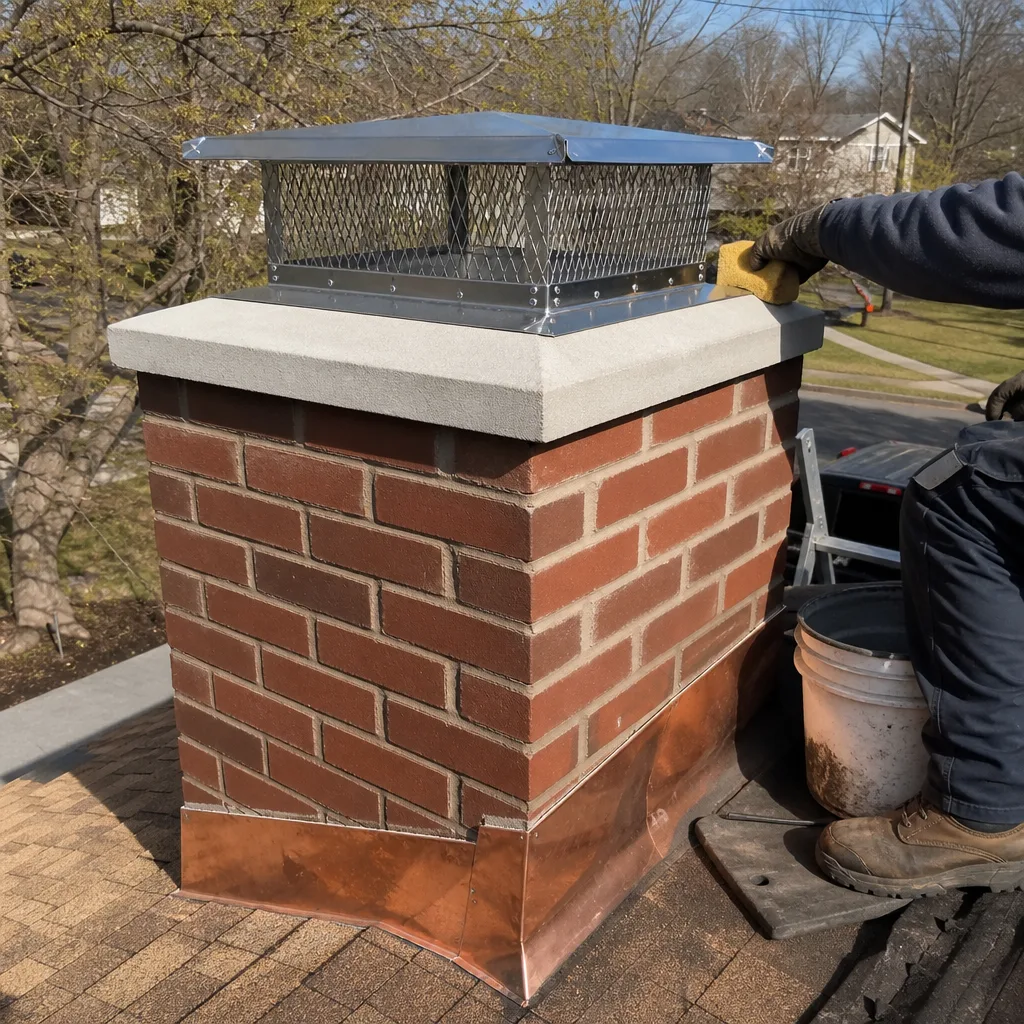 After
After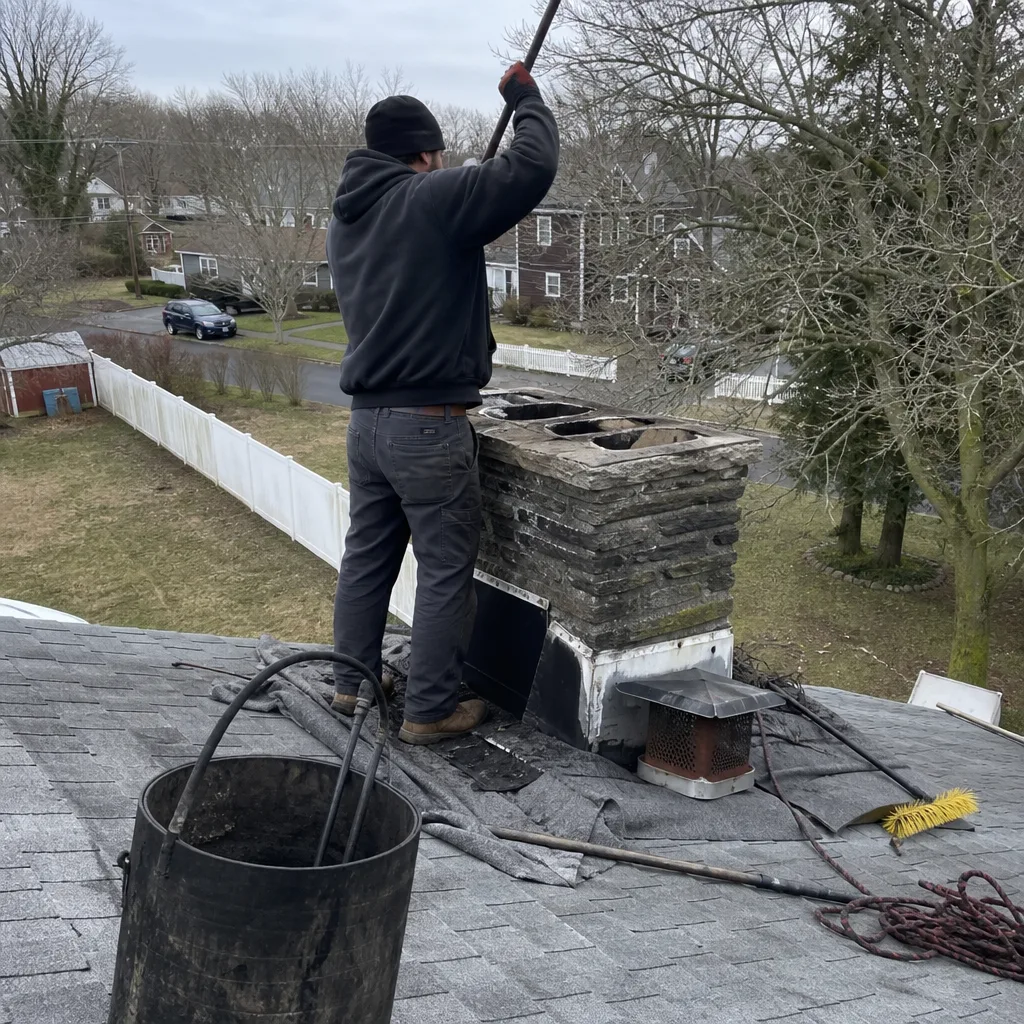 Before
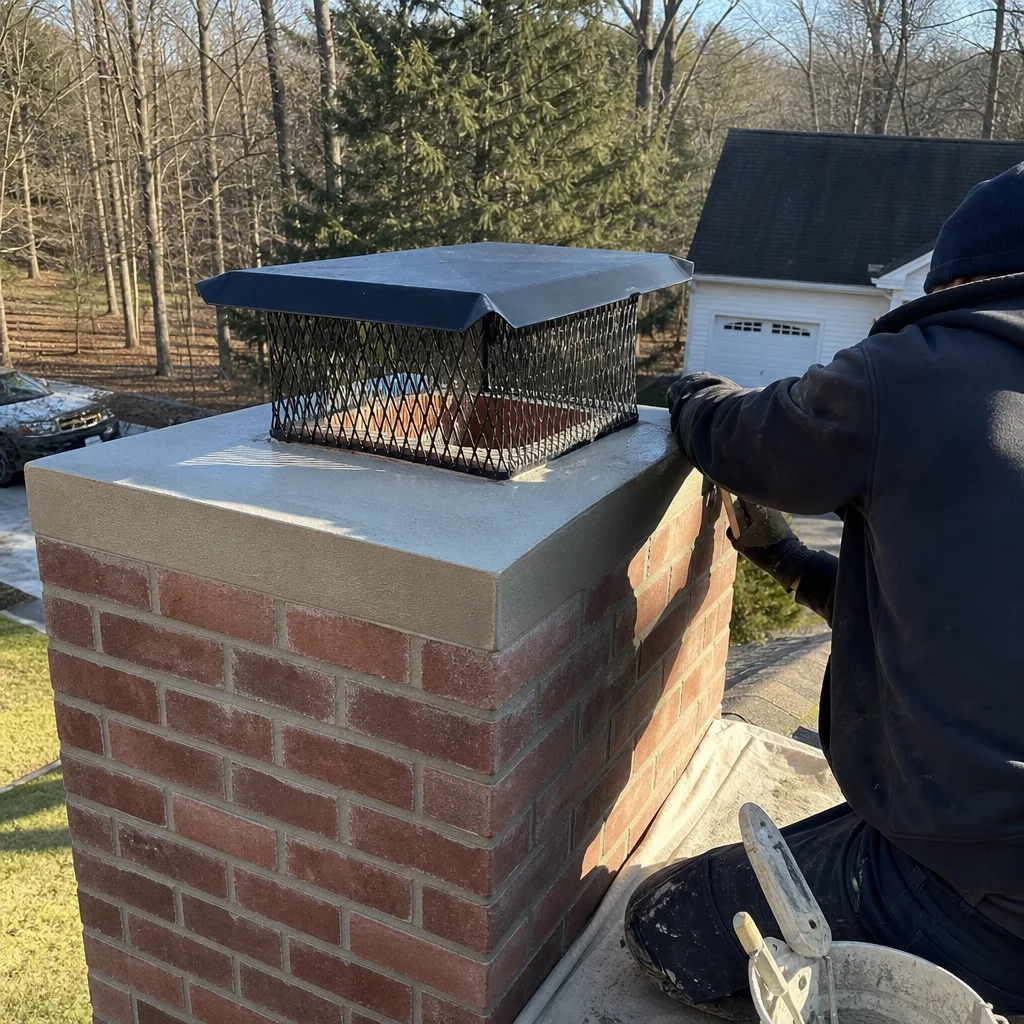 After
AfterHeatShield Chimney Cap Installation: The Smithtown Owner’s Guide
HeatShield chimney cap installation in Smithtown typically runs $340-$620 for most residential flues, including the cap, custom fitting, and flashing seal. We stock HeatShield-compatible caps on our trucks and can usually complete the job in a single visit once we’ve measured your flue. Most Smithtown homeowners discover the cap has failed when water starts showing up on the firebox floor after a driving northeast rain, or when a neighbor spots rust streaks running down the brick from the roofline.
Which HeatShield Models This Applies To
HeatShield caps are not universal. The product line breaks into three main series: the standard stainless round caps for single flue tiles, the multi-flue models with expanded mesh for larger chimney tops, and the specialized wind-resistant designs built for exposed coastal conditions. The label is usually stamped on the underside of the mesh crown or on a small tag welded to the skirt. If the tag is rusted away, measure the flue tile outside diameter and the overall chimney crown width. We need both numbers.
Here is where owners get tripped up. HeatShield’s multi-flue caps require a minimum 4-inch overhang past the crown edge for proper drip function. On the older Smithtown colonials near Caleb Smith State Park Preserve, we’ve found crowns that were poured small in the 1970s and 1980s. Those chimneys often need a custom-fabricated skirt extension or a switch to a Gelco or Olympia Chimney model with a narrower footprint. We carry both options. Hearthstone Chimney Co. is an independent service provider, not affiliated with HeatShield, so we have no obligation to push one brand when another fits better.
OEM HeatShield caps use 18-8 stainless mesh and a 24-gauge lid. The aftermarket equivalents we stock from Copperfield and Famco match those specs exactly. The only difference is the stamp on the skirt. For salt-air exposure in waterfront Smithtown neighborhoods like Nissequogue and Head of the Harbor, we typically recommend stepping up to the 316-grade stainless upgrade. It costs roughly $80-$120 more and buys you an extra 8-12 years before the first pitting appears.
Signs Your HeatShield Chimney Cap Installation Is Failing
- Rust-colored staining on the brickwork below the cap. This means the galvanized or lower-grade stainless skirt has begun corroding. Once rust appears on the exterior, the interior mesh is already compromised. Water is getting through, and the freeze-thaw cycles of a Smithtown winter will widen any crown cracks beneath it.
- Water pooling in the firebox after rain, especially wind-driven storms from the northeast. The cap mesh may look intact from the ground, but the lid-to-skirt seam has separated or the corner welds have cracked. HeatShield lids are spot-welded at the corners, and after 15-20 years of thermal cycling, those welds fatigue. We check this with a camera from the top down.
- Debris, leaves, or bird nesting material visible in the flue. A proper cap keeps animals and organic matter out. If you’re pulling twigs from the firebox, the mesh has either corroded open or the cap has shifted off-center, creating a gap. Squirrels in Smithtown’s mature oak canopy are persistent once they find an opening.
- Draft problems or smoke spillage on startup. The cap mesh can become clogged with creosote flakes or partially collapsed inward, restricting airflow. HeatShield’s standard mesh has a 5/8-inch opening. When that clogs to half capacity, the flue can’t establish proper draw, especially on cold, humid Long Island mornings.
- The cap is visibly tilted, loose, or missing entirely after high winds. HeatShield caps use external clamp bands or masonry screw anchors. The clamp style can slip if the flue tile has eroded at the top. The masonry anchor style pulls out when the crown surface spalls. Either way, a loose cap is a cap waiting to become a projectile in the next nor’easter.
Replacement Cost & What’s Included
| Component | Typical Range in Smithtown |
|---|---|
| Standard single-flue HeatShield cap (installed) | $340-$480 |
| Multi-flue cap, standard stainless | $480-$620 |
| 316-grade stainless upgrade | +$80-$120 |
| Crown repair or resurfacing (if needed) | $180-$340 additional |
| Custom skirt fabrication for undersized crown | $120-$200 additional |
The range depends on three things: whether your flue tile is standard or oversized, whether the crown beneath the cap needs attention before the new cap goes on, and whether we can use a stock size or need to order a custom width. We photograph the crown condition during our Level-2 camera inspection and show you before we quote. The price we agree to is the price on the invoice. No surprises.
Every HeatShield chimney cap installation we perform carries our 90-Day Done Right Promise in writing. If water gets past that cap, we come back. No paperwork to dig up, no argument about whether it was the cap or something else. We figure it out and fix it.
DIY or Call Us?
There is one thing a homeowner can safely check: stand at the curb with binoculars and confirm the cap is still centered and level. If it’s tilted or gaps are visible, the installation has failed and needs attention.
Everything else belongs on a roof. Chimney cap replacement involves working at height on a pitched surface, often near the ridge, with tools and materials that require both hands. The old cap may be seized to the flue tile. The new one needs a proper seal without disturbing existing flashing. And if the crown is deteriorated, bolting a new cap onto bad masonry is a waste of your money and our reputation.
We’ve replaced caps on Smithtown roofs where the homeowner had already bought the part online and discovered it didn’t fit the actual flue dimensions. We’ve also seen clamp bands overtightened, cracking the flue tile and turning a $400 job into a $1,800 liner repair. Tell me what you see, and I will tell you what it means. Then we handle the part that requires a ladder, a harness, and the judgment that comes from doing this hundreds of times.
Call (631) 814-2057 when you’re ready. We’ll measure, photograph, and quote before any work begins.
FAQs
In standard 18-8 stainless, expect 12-18 years before significant corrosion appears. The salt air along the Long Island Sound and the freeze-thaw cycling of our winters accelerate wear at the skirt base. With 316-grade stainless, we’ve seen 22-25 years of service on Smithtown homes before replacement. Call (631) 814-2057 and we can assess your current cap’s remaining life with a camera inspection.
Minor mesh damage can sometimes be spot-welded, but the labor cost approaches replacement, and the repair carries no warranty. Separated lid seams, rusted skirts, or bent frames are not worth repairing. We will show you the condition and give you an honest recommendation. If it can wait, we’ll say so.
Most HeatShield chimney cap installations are completed in 90 minutes to two hours, assuming the crown is sound and the flue tile is intact. If crown resurfacing or custom fabrication is needed, plan on half a day. Our technicians arrive with caps, sealants, and fabrication tools on the truck, so there’s no return visit for parts.
We stock the most common single-flue and multi-flue sizes in both standard and 316-grade stainless. Odd sizes or custom wind-resistant models typically arrive within two business days. We confirm fit during our initial inspection so nothing sits on your roof half-installed.
Written by Russell Haines, Owner, Hearthstone Chimney Co. at Hearthstone Chimney Co., serving Smithtown and nearby areas.